Summer is the most relaxing time of year to be a university student in New Zealand. A long semester break and no classes until February? Hard to beat. But while you’re enjoying the downtime, there’s one important thing that deserves a spot on your radar: your upcoming student move.
For students across New Zealand, the weeks leading up to O‑Week (Orientation Week) can be a special kind of chaos. You might be moving into a university hall or shared flat for the first time, leaving your small town for a bigger city, or even moving island to get to uni. Maybe you’re a parent helping your child move while trying to keep calm and be supportive.
But with a bit of help and a clear plan, the tight budgets, long drives, ferry crossings, and mismatched lease dates all become manageable.
This guide is your practical, no‑stress roadmap to student moving in New Zealand. From choosing the right place to live to planning your move and sorting out storage, here’s everything you need to know to move with confidence, without breaking the bank or begging your friends for help.
Choosing the right student accommodation in New Zealand
Most students move a few times during their studies. The type of accommodation you choose is usually shaped by how new you are to living out of home.
University halls and residential colleges
 University halls are the most popular option for students attending university straight out of high school.
They bridge the gap between being an entirely responsible adult and learning how to live more independently.
In New Zealand, you can expect to have your own private room with a bed and desk and shared gender-specific bathrooms and showers with other students on your floor. While you don’t have to cook for yourself, you will have to do your own laundry.
What to know before you move in
Most halls charge students in monthly instalments. It’s always a good idea to talk to your parents about how you’ll budget for this. Many students use a mixture of savings from holiday jobs, parental support, and student accommodation supplements or loans to cover the cost.
|
Pros of university halls
|
Cons of university halls
|
|
Popular for first‑years, sometimes returning students
|
Limited storage space (often not a problem if you’re newly out of home)
|
|
Great for meeting people if you’re new to uni and the city
|
Expensive compared to flatting
|
|
Fully furnished apart from linens and towels
|
Not a great option for students beyond second year
|
Shared apartments near campus
While most university halls are designed as dormitories (with private rooms), some universities offer shared apartments to students who want to live independently but want the convenience of living in supplied housing.
These can be a great option for:
-
International students moving to New Zealand for the first time
-
Students returning from a break or returning mid-year
-
Anyone who wants to avoid the headache of finding accommodations
Some halls of residents have floors of shared apartments, but mostly, you’ll find these apartments as part of an apartment block.
You’ll have a private bedroom but share a bathroom and kitchen with anywhere from two to five other students who also attend your school. It’s just like living in a flat except your landlord is the university.
What to know before you move in
As these apartments are owned by the university, they’re cleaner, more modern, and better cared for than a lot of student flats around New Zealand.
|
Pros of shared campus apartments
|
Cons of shared campus apartments
|
|
Often furnished with utilities bundled
|
You won’t get to choose all of your flatmates
|
|
Flexible contract lengths depending on the provider
|
Often cheaper than halls but more expensive than flatting
|
|
Independent living, but without the headache of flat hunting
|
High demand means availability is limited |
Shared flats and houses (flatting)
Shared flats and houses are the most common options for second-year and older students in New Zealand. What your flat looks like and how furnished it is will entirely depend on what you’re looking for.
When it comes to flatting, you’ve got 2 main options:
-
Set up a new place with friends
-
Find an already established house to move into
The first option means you (and your flatmates) will need to source all furniture and supplies yourself. While this can feel like a lot of work, it’s also a lot of fun!
Moving in with flatmates is fun but also tricky to coordinate at times. Read our complete guide for a smooth move with flatmates.
What to know before you move in
Most flats will require you to sign a 12-month lease. That means if you choose to go home for holiday breaks or the Christmas-New Year period, you’ll still have to pay rent. While it’s possible to move out before the end of a lease, usually the departing flatmate has to find a suitable replacement.
Just note that you may need landlord references, which can be hard if you’ve never lived independently.
|
Pros of shared flats and houses
|
Cons of shared flats and houses
|
|
The classic second‑year‑onwards option
|
Many student flats can be cold, damp, and underinsulated
|
|
Fully independent living: your flat, your rules
|
February can be a very competitive time of year to find a new flat
|
|
The most affordable option
|
Lease start dates don’t always line up with uni calendars
|
Studios or one‑bed apartments

If you’re an older student, have the money to buy yourself a bit more comfort, or just value your alone time, you may want to consider renting a studio or a one-bedroom apartment.
This option is most common for postgrads or students wanting to live fully independently.
What to know before you move in
You’ll be competing with other young professionals for most studios and one-bedroom apartments. In some cities, apartments are hard to come by, so you’ll need to be organised and ready to move in when a place becomes available.
|
Pros of studios or one bedrooms
|
Cons of studios or one bedrooms
|
|
Studios are usually furnished
|
No one to split the costs of bills and utilities with
|
|
One-bedrooms can be furnished or unfurnished
|
Landlords may favour older students or yopros
|
|
Entirely independent living
|
One bedrooms can be competitive and popular with yopros and couples
|
How to find a flat for student accommodation
Once you’ve decided on the type of accommodation that works for you, you can then get started on securing it. University-run student accommodation is relatively easy to find. You can usually find all the information and applications on your university website.
Flats, on the other hand, can be a bit tricky to find. There are more options, more places to look, and a lot more competition. Here are some things to consider when trying to find your perfect flat.
When to start looking for a flat
If you’re moving from a hall of residence into a flat, the best time of year to secure one is in November.
Though most leases only start in February, and you won’t be charged until then, you’ll miss the stress of trying to find something in February, which is the busiest month to move!
Where to find a flat
Most cities have areas that are known for offering cheap student accommodation. The suburbs closest to the university you’re attending are usually the best places to look for a flat.
-
Auckland: CBD, Mt Eden, Kingsland, and Grafton
-
Christchurch: Ilam and Upper Riccarton
-
Dunedin: North Dunedin
-
Wellington: Mount Cook, CBD, and Kelburn
-
Palmerston North: Highbury and Westbrook
Lease timing and overlaps
One of the most stressful parts of moving into student accommodation is that lease dates rarely line up neatly.
Here are just a few common student scenarios that you might want to watch out for:
-
Halls' contracts ending in November or December
-
New flats are not available until February
-
Flat leases falling through (despite being secured early)
-
Getting locked into a flat far earlier than you want to move in
This is where planning (and sometimes storage) saves your sanity.
What to know about setting up your flat

Before you pack everything you own, double‑check what your new place actually comes with.
Halls and purpose‑built accommodation often include:
-
Bed and mattress
-
Desk and chair
-
Wardrobe or storage
-
Heating
-
Internet
Private flats, apartments, and houses vary wildly:
-
Some are fully furnished (but require towels and linen)
-
Some have only whiteware (fridge, washing machine)
-
Some come with… nothing at all
Need some inspo for furnishing your first flat? Read our complete guide on how to furnish your first flat on a student budget.
Ask early about:
Heating
New Zealand rental laws require your flat, studio, or apartment to have a fixed wall heater that’s capable of heating your living space to 18° Celsius. It should also be insulated unless exempt under the Healthy Homes laws.
Internet setup
Your university hall or apartment will come with the internet. Many studio and one-bedroom apartment buildings also offer internet through a specific provider for a fee.
If you’re setting up a new flat, you’ll need to find and organise the internet yourself.
Laundry access
In a hall of residence or university apartment, you’ll most likely have access to a shared laundry. Make sure you ask about whether the machines are free or coin-operated.
Many apartments or studios come with a private washer and dryer, as do a lot of unfurnished homes. The most important thing is to ask!
Planning your student move

In New Zealand, the school year runs from January to December, whether you’re starting primary school or attending university.
The peak student moving times are:
-
January–February: Biggest rush before Semester 1
-
June–July: Mid‑year flat swaps and course changes
-
November–December: Moving out of halls or end‑of‑year leases
In places like Dunedin, flats are often sorted early, but the actual move still happens later. So storage or split moves are common if you’re not moving straight into a new place.
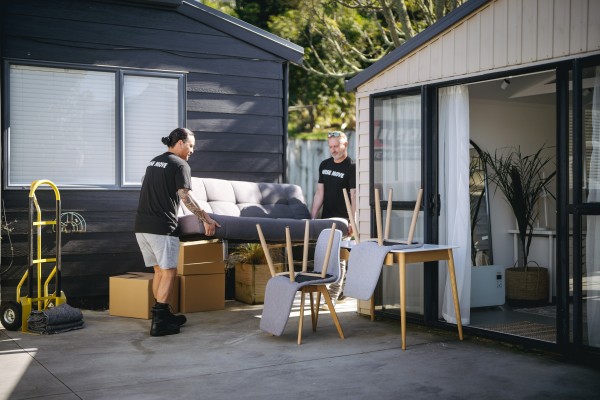
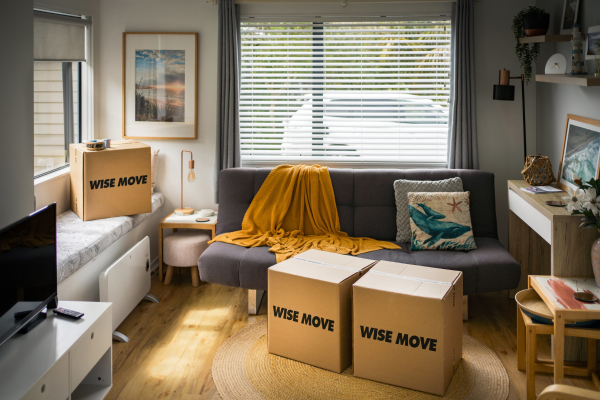
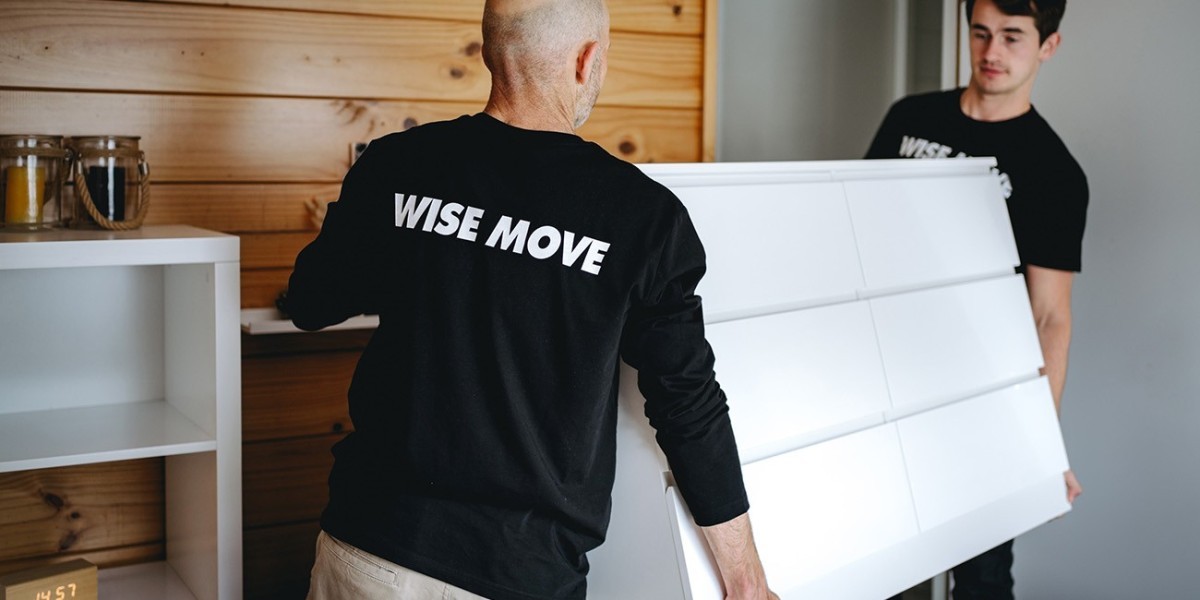
Get your move off to a great start by booking early with Wise Move. You’ll have a better choice of moving dates and more time to plan, with professional, affordable movers ready to handle the heavy lifting.
Student storage over the holidays
It’s more than likely that you’ll want to go home for the holiday period or move out of your flat before the lease is up. If the timings of your old and new accommodation options don’t line up, short-term storage can be a great option.
It can be as cheap as NZ$70 per week and can save you from selling belongings or stressing about hauling your stuff home before you move again.
Storage works well if you:
There are also ways to make storing your items more affordable:
-
Share a unit with flatmates
-
Choose self‑storage near campus
-
Store only what you’ll definitely need again
How to move house affordably as a student
Moving as a student can be a bit awkward. You may have too much stuff to fit into your friend’s hatchback, but not enough to justify hiring a full-on moving van (even if you could afford splitting the cost with flatmates). So, what’s a student to do?
Choosing a flexible, affordable moving option like booking a man with a van can save you a lot of stress (and money).
A man with a van is a one-person, small-sized moving option that limits the amount of space or time you’ll pay for. Many of these movers are sole operators, so they’re more flexible and affordable than hiring a traditional moving company.
Book an affordable student moving service

January is one of the busiest times of year to move flats, but Wise Move makes it easy to book professional, reliable, and affordable movers for a smooth student move.
Whether you’re moving from home to a hall or from a hall to your first flat, whether you need a Man with a Van or a full moving service, Wise Move’s trusted moving teams can make your move faster, easier, and stress-free.





 University halls are the most popular option for students attending university straight out of high school.