New Zealand is an English-speaking country. Whether you’ve learnt British, American or another form of English, you’ll most likely be understood no matter where in the country you travel.
That being said, New Zealand does have unique and subtle differences to British and American English, which may confuse some people. Here are the key differences you should know before you travel to New Zealand.
The New Zealand accent
One of the biggest challenges that can come from speaking or understanding English in New Zealand is the local accent. Often compared to Australian or South African, some tourists might not be familiar with the accent, making understanding some words and phrases difficult.
-
Kiwis often elongate their vowels, so short words like ‘no’ or ‘go’ may be elongated and pronounced more like ‘noh’ or ‘gow’.
-
Kiwis often don’t pronounce the ‘r’ in the middle or end of a word, with the exception of Southlanders. This makes words like ‘car’ or ‘water’ sound more like ‘cah’ or ‘watah’.
-
Vowels sound different to how English or Americans might pronounce them. For example, ‘six’ might sound more like ‘sucks’ and ‘pen’ might sound more like ‘pin’.
-
Kiwi speakers often use rising intonation at the end of sentences, even if the sentence is not a question. This is similar to Australians.
Where does the New Zealand accent come from?
How New Zealanders developed their accent is not really known for sure.
While some language scholars have suggested it developed from the Australian accent, this seems unlikely. Despite the close geographical proximity to one another, fewer than 7% of early settlers arrived from Australia.
It’s more likely that the accent came from within New Zealand itself and was the result of many different accents coming together. In 1881, around 45% of overseas-born settlers came from England, primarily from the South and the South East, particularly from London. With English settlers being the most dominant, it was natural that New Zealand English would sound fairly similar. The New Zealand accent also exhibits distinctive features influenced by settlers from Scotland, especially in the South of New Zealand. For instance, New Zealanders use ‘wee’ to mean 'little’.
Free compulsory education was introduced in 1877, which would have helped to develop a standard accent for children learning to read, write and spell.
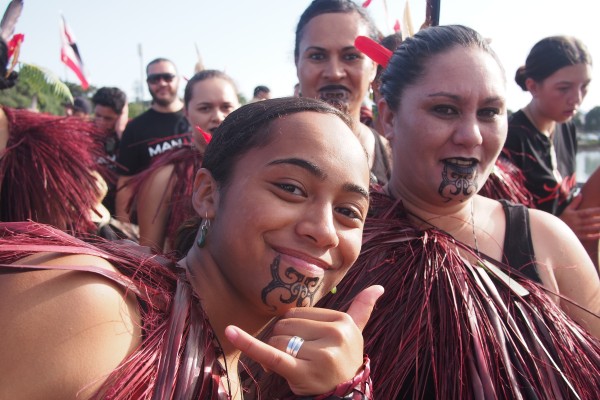
It’s worth noting that the New Zealand Maori often have a slightly different accent from that of New Zealand Europeans. Te Reo Maori uses a syllable-timed rhythm, where most syllables are pronounced the same length. English is stress-timed, with syllables differing in length depending on the word. This difference in language creates a slightly different accent in the speaker.
Is New Zealand English similar to British or American English?
New Zealand English is the most similar to British English. New Zealand English uses British spelling conventions such as ‘colour’ ‘jewellery’ ‘mould’ or ‘programme.’
Occasionally you may see the use of words like ‘standardized’ with a ‘z’ rather than an ‘s’ but New Zealanders don’t use American English in formal writing or in the workplace so it’s best not to get into the habit of writing this way.
While the core grammar rules align closely with British English, subtle differences emerge in everyday speech and informal writing. Kiwis tend to use more colloquial expressions and idioms, compared to English or American people.
There’s the added use of Maori words and phrases which are used commonly throughout everyday speech. European settlers adopted a lot of words, particularly for flora and fauna that was native to the country. Since the mid-2000s there has been more of an effort to incorporate te reo Maori through media and government departments.
How does New Zealand grammar differentiate itself from English grammar?
New Zealanders are far less formal in their use of language. For instance, New Zealanders would not use the word ‘shall’. New Zealanders preferred to say ‘will’. Although now, it’s more common for people to say ‘going’ to talk about the future.
E.g In England, people might have said ‘we shall have a picnic’. This has changed in modern times to ‘we will have a picnic’. But Kiwis are more likely to say, ‘We’re going to have a picnic’.
Rather than saying ‘I have new shoes’, Kiwis are likely to choose the more informal version which might be, ‘I’ve got new shoes’.
What are some Kiwi phrases worth learning?
While you don’t have to use these yourself, it can be helpful to understand what Kiwis mean when they say these phrases to you.
How are you going? Kiwis use this in place of ‘how are you?’ It means the same thing.
Kia ora. This is Maori for hello. The pronunciation does not leave space between the two words so that it sounds more like one word.
Tea. This means dinner. If someone invites you around for tea they aren’t inviting you around in the afternoon, but usually from 5pm onwards for the main meal of the day.
Heaps. Instead of saying "a lot" or "many", Kiwis often use "heaps". For example, "I have heaps of work to do".
I reckon. This is a bit like saying "I think" or "I believe" in other places. Kiwis use it when expressing their opinion or making a guess.
Stoked. Excited, happy, or pleased. For example, "I'm stoked about the weekend".
Knackered. A term for feeling tired or exhausted. You might hear someone say, "I'm absolutely knackered after that hike".
BYO. Stands for "Bring Your Own". If you're invited to a BYO party or event, it means you should bring your own drinks.
What are some te reo Maori words or phrases worth learning?
Koha — gift, present, or donation. In New Zealand, it is often used to refer to a gift given with sincerity, such as a donation or contribution.
Motu — island. It is commonly used to describe an island or isolated piece of land.
Kai — food. This term is frequently used in the context of meals or eating. For example, "Let's get some kai" means "Let's get some food".
Mahi — work or job. It refers to any form of labour or activity done for employment or productivity.
Aroha — love, compassion, or empathy. Aroha is a central concept in Maori culture, emphasizing the importance of love and kindness.
Whanau — family. It extends beyond the nuclear family to encompass the wider circle of relatives and close friends.
Haere Mai — welcome. This phrase is used to greet someone and make them feel welcome.
Ka pai —good job or well done. It is a positive expression used to acknowledge someone's achievements or efforts.
Tangata whenua — people of the land. It refers to the indigenous Maori people of New Zealand.
Whakapapa — genealogy or family tree. It is a fundamental concept in Maori culture, tracing ancestry and connections between individuals.
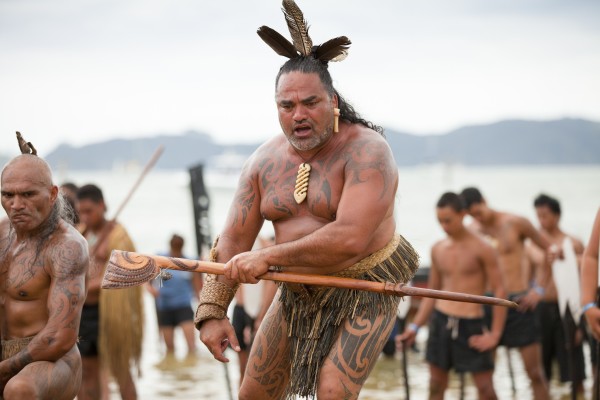
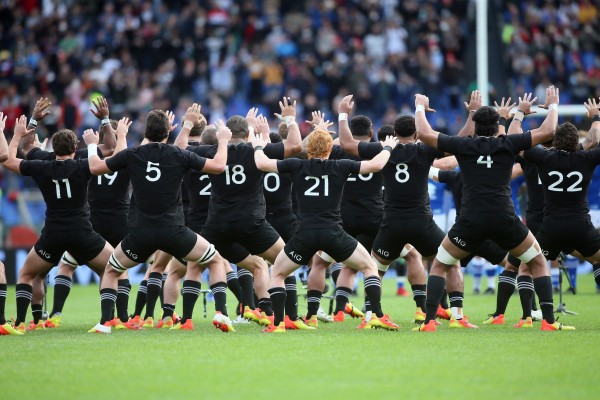
Haka — a traditional Maori war dance or challenge. The Haka has cultural significance and is performed on various occasions, including welcoming ceremonies and sporting events.
Tapu — sacred or restricted. This concept refers to things or places that hold spiritual significance and are treated with great respect.
Waiata — a song or chant. Waiata plays a crucial role in Maori culture, often expressing emotions, stories, or conveying cultural heritage.