Before moving to New Zealand, it’s a good idea to understand the country’s political system. Regardless of whether you can vote right away or how long you stay, understanding national politics can help you stay informed when it does come time for you to vote.
New Zealand’s political system is more similar to that of the UK than the United States. We have a Mixed Member Proportional system, elections every three years, and a wide range of political parties to vote for.
Explore the key elements of New Zealand politics, including how MMP works, the voting process, and an overview of major political parties:
Mixed-Member Proportional (MMP) System
New Zealand adopted the MMP electoral system in 1996, moving away from the First Past the Post (FPP) system. Under FFP, the political party with the most votes would win the election. With MMP, parties are able to form coalitions with other parties to win a majority.
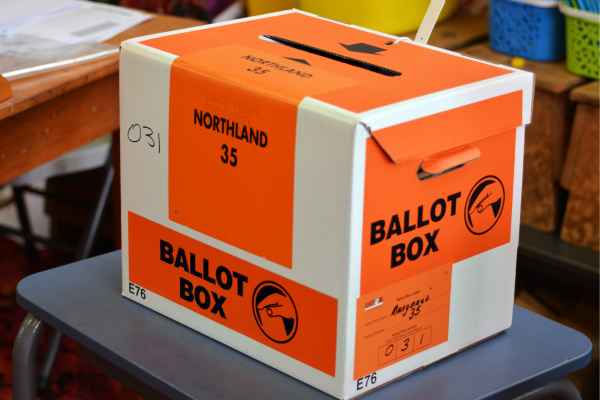
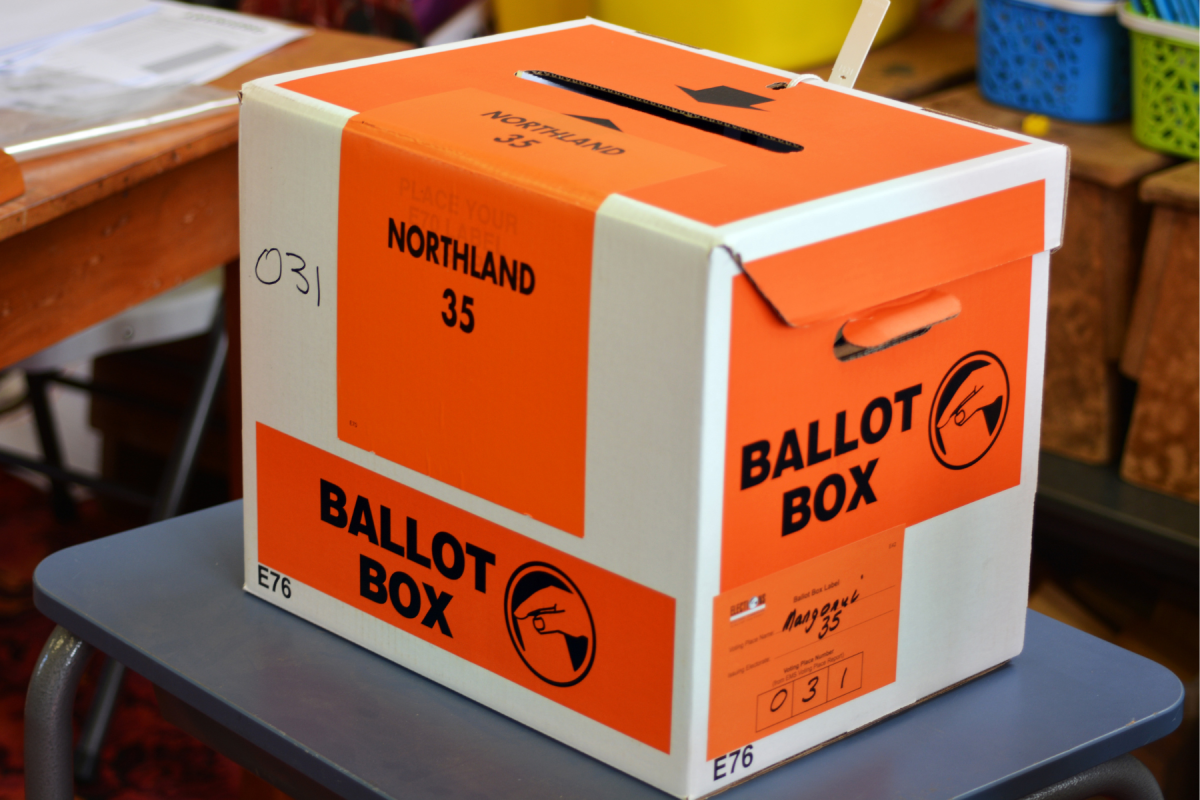
Under MMP, voters get two votes: one for a political party and another for a local candidate in their electorate. The number of seats a party gets in the Parliament is proportional to the percentage of party votes they receive.
What are the advantages of an MMP system?
While no single political system is perfect, MMP is advantageous for a few reasons. Under FFP, it’s understandable that most people would vote for one of two major political parties. After all, why vote for a party if there’s no chance they can win the election?
The biggest advantage of MMP is proportional representation. The proportionality of seats in the Parliament is closely reflected by the proportion of party votes cast by the electorate. This means parliament is more reflective of the views of voters at a local level.
Another pro is that MMP encourages diversity. Smaller parties that might be underrepresented in an FPP system have a better chance of securing seats and getting their voices heard. MMP reduces the number of “wasted votes.”
MMP also often results in coalition governments, where parties need to work together to form a stable government. Since the first MMP election in 1997, New Zealand, seven out of eight governments were formed with the help of a coalition where two or more parties formed a government. The Labour Government of 2020 is the only party to have won a majority of seats since MMP began.
How many seats are in New Zealand Parliament?
New Zealand’s Parliament has a total of 120 seats. These seats are distributed among Members of Parliament (MPs) based on the general elections' results, which are held every three years.
Under MMP, a party would have to hold 61 seats or form a coalition to hold at least 61 seats. The Mixed-Member Proportional (MMP) electoral system determines how the seats are held during each election. Candidates that win in their electorate will win one seat in parliament, while list MPs win their seats based on the total number of party votes.
The number of seats in the New Zealand Parliament can be subject to change due to electoral redistributions or other factors. New Zealand also has two election rolls, one for the general electorate and one for New Zealanders of Māori descent who wish to vote for the seven Māori seats.
How does enrolling to vote work in New Zealand?
New Zealand has two electorate rolls, one for the general population (which any New Zealanders can vote for) and one for the Māori roll.
General Role:
The general role in New Zealand elections refers to voters who are not of Māori descent. These voters cast their votes in the general electorates, constituencies covering the entire country. Each general electorate is represented by a Member of Parliament (MP) and your vote will determine which candidate represents the city, town or area you live in. The general role is open to all adults of voting age. Voters also get a party vote. This vote contributes to the overall makeup of the Parliament, while the electorate vote determines the local representative.
Māori Role:
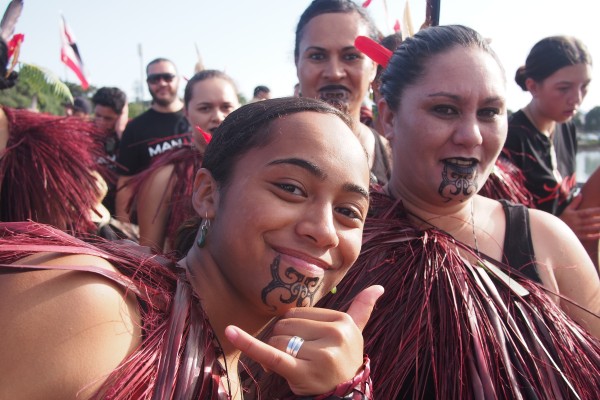
The Māori electorates are specific seats reserved for Māori representation in parliament. In 2023, there were seven seats that were determined by the outcome of votes from electorates on the Māori roll. The Māori electoral roll helps ensure Māori representation. Māori can still choose to enrol on the general roll if they wish.
How does the enrolling process work in New Zealand?
New Zealand has a three-year electoral cycle, making elections relatively frequent. General elections are held every three years, providing citizens with regular changes to voices in parliament.
Enrolling to vote in New Zealand is an easy process. Voters can enrol online with formal identification such as a driver's licence, passport or RealMe identity. However, you can still vote if you don’t have a formal ID. The process takes a little longer as the enrolment form needs to be posted back to the recipient to sign. Voters must update their address after they move. Otherwise, you may be ineligible to vote. You can update your address details online.
Once enrolled, all voters will include a paper voting card in the mail. You can take this card with you to vote on the day or by confirming your registered address. Despite not needing a valid form of ID to vote, the lack of barriers to enrolling makes voting a fairer system for all, and there are very few instances of voter fraud each election.
Major Political Parties of New Zealand
If you are planning to become a citizen of New Zealand, its a good idea to understand the major political parties. New Zealand has two main parties, Labour and National. Four smaller parties often hold seats in parliament.
Labour Party: Founded in 1916, the Labour Party is one of the two major political parties in New Zealand. Historically aligned with centre-left policies, Labour focuses on social justice, workers' rights, and progressive economic measures. Recent policies include introducing healthy home standards for rentals, one year of fee-free university, and interest-free student loans.
National Party: Established in 1936, the National Party is the main center-right political force in the country. It traditionally supports free-market policies, economic conservatism, and a strong national defence. National won the 2023 election with promises of tax cuts to families, middle-income earners and high-earning individuals.
Green Party of Aotearoa: Founded in 1990, the Green Party emphasises environmental sustainability, social justice, and participatory democracy. It often aligns with the left-leaning politics. The Green Party formed a coalition with Labour in the 2021 general election.
New Zealand First: Formed in 1993, New Zealand First positions itself as a centrist party, with a focus on nationalism, regional development, and pragmatic policies. It often plays a role as a kingmaker in coalition governments. New Zealand First, headed by Winston Peters, has formed coalitions with both Labour, the Greens, National and Act.
Act New Zealand: Established in 1994, Act is a right-leaning party advocating for free-market policies, individual freedoms, and limited government intervention. They formed a coalition with National and New Zealand First in the 2023 election.
Te Pāti Māori: Te Pāti Māori Party was established in July 2004. It was formed as a political party with a specific focus on representing the interests of Māori in New Zealand. They play a large role in advocating for Māori rights and issues, family rights and land rights for Māori.
What are the major government departments in New Zealand?
New Zealand has several government departments that are worth learning about before moving here. Many of these also go by their Maori names.
Ministry of Education: New Zealand has a strong public education system. The Ministry of Education is responsible for developing and implementing education policies, managing the education system, and ensuring quality education for all New Zealanders.
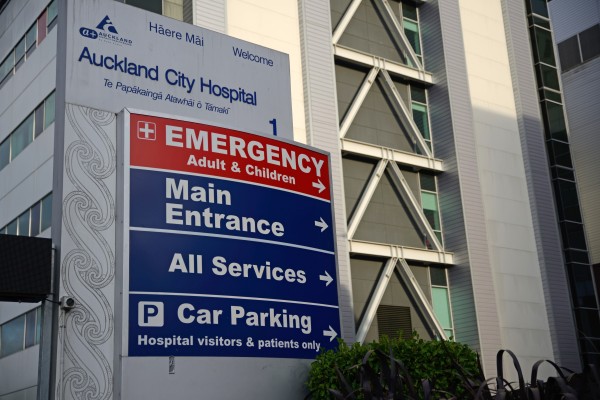
Ministry of Health: New Zealand has a robust public health system, with healthcare largely funded by the tax system. The Ministry of Health oversees public health policies, health services, and the overall well-being of New Zealand citizens. It plays a crucial role in managing health resources and responding to public health challenges.
Ministry of Foreign Affairs and Trade: New Zealand has friendly diplomatic relations with Australia, Canada, the UK and Ireland, and the United States as well as countries in the Pacific. This ministry is responsible for New Zealand's international relations, diplomatic efforts, and trade agreements and represents our interests on the global stage.
Ministry of Finance: The Ministry of Finance manages the government's finances, prepares the national budget, and advises on economic and fiscal policies.
Ministry of Social Development: New Zealand has a strong social welfare net designed to help families and individuals who are in need of financial assistance. This ministry focuses on social welfare, providing support and services to individuals and families in need. It oversees programmes related to income support, employment, and social services.
Ministry for the Environment: New Zealand is known for its natural resources and protecting them is of great importance. Responsible for environmental policy and sustainability, the Ministry for the Environment works to address climate change, protect natural resources, and promote environmental stewardship.
Ministry of Justice: The Ministry of Justice is involved in legal and justice-related matters, including the administration of the courts, legal aid, and policy development in areas such as criminal justice and human rights.
Ministry of Transport: This ministry oversees transportation policies, infrastructure development, and safety regulations. It plays a key role in shaping the country's transportation network.
Ministry of Business, Innovation and Employment: New Zealand is one of the best places in the world to start a business. Focused on promoting economic growth, innovation, and employment, this ministry works to create a favourable business environment, support research and development, and enhance workforce skills.
Ministry of Defence: Responsible for national defence and security, the Ministry of Defence manages military policy, personnel, and strategic defence initiatives.