Whether you live in a section, a townhouse, or an apartment, growing your own garden has many benefits. From giving you a constant supply of fresh produce to improving your mental health, a home garden can be a money saver and a mood booster.
Growing your own garden isn’t as hard as some people may think. A few helpful tips will help you gain the tools, knowledge, and confidence to get started.
So, if you’re keen to start growing your own fruit, vegetables, or herbs but don’t know where to start, our guide is here to help.
What are the benefits of growing your own garden in New Zealand?
- Fresh food: Growing your own garden gives you an abundance of freshly grown produce.
- Saving money: The cost of growing and maintaining a garden is minimal. You can save a considerable amount on groceries, especially on expensive produce like herbs.
- Exercise: Outdoor gardening gets you moving and is a good form of exercise.
- Mental wellbeing: Fresh air, movement, and even the minerals found in soil are good for your physical and mental health.
- Less pesticides: When you grow your own food, you can choose whether or not to use pesticides.
- Sustainability: Between buying less food (that needs to be transported to the supermarket) and fewer car trips to get it, your personal carbon footprint goes down.
How to start a herb garden in New Zealand
If space is an issue, a great place to start with gardening is by growing herbs.

Find the right spot
If you are growing herbs in New Zealand, you’ll want to choose a spot that gets plenty of sun and is close to your kitchen. If you live in a townhouse, a sunny patio or courtyard will do the trick. If you live in an apartment, choose your sunniest room or windowsill.
Choose your herbs
Choose a selection of herbs that you enjoy cooking with the most. That way you’ll pick them more often, which is good for their growth and long-term survival.
Buy your soil
Herbs, especially ones grown indoors, need quality soil. Whether you’re planting your herbs in a garden, raised bed, or indoor pots, make sure you use a quality potting mix.
Give pots adequate drainage
Whether indoors or out, herb gardens need plenty of drainage; otherwise, your plants will wilt and die. Mix in organic matter or perlite to help the soil drain and make sure any pots or containers have drainage holes drilled into the bottom.
Sow from seed or seedling
The main difference between growing your herbs from a NZ$2 packet or a small leafy seedling is the initial growth stage. If you’re growing herbs from seeds, they can take 4-6 weeks to sprout. You should also grow them somewhere warm and sheltered, like a garden shed or indoor room, before transplanting them to a larger pot or garden bed.
Water them regularly
Overwatering refers to how often you water your plants, not how much water they get in one sitting. Test the soil of your herb garden by inserting a finger into the soil or by lifting up your small pots. If the soil is dry or the pot is light, it’s time for another watering.
Harvest your herbs often
Herbs are made to be used! Herbs like coriander and parsley respond well to being heavily cut back. You can use ⅓ of the plant each time you harvest, and this will actually help it grow.
Don’t just pick the leaves
When harvesting your herb garden, don’t just pick off the leaves you want to use. Harvest the tallest stalks each time. For herbs like coriander, you can cut them 1 inch above the ground. For basil and parsley, cut any stalks you want to use just above the leaf node. This will encourage your plant to grow bushy.
How to start a garden in New Zealand
@maarakai Ive used this method for the majority of my gardens. 💚 Its labour intense but its also budget friendly. ✅😉🙌 Nothing wrong with using what you have and then building from there. When it comes to replenishing the soil you will not have to dig it up again. 🙌 Comment “GARDEN” and Ill send this method through to you. Pm me instead if your settings are on private. 🌱🌱🌱 Lets mahi maara! Grateful 🙏 #howtostartagarden #nzgarden #gardentok #maarakai #grateful ♬ Mountain Life - Art Music
If you’ve got a bit more space, you may want to consider growing an outdoor vegetable garden. You’ll need:
- Space: Garden beds can be any length you want, but the width should be determined by how far you can comfortably reach. Your beds need to be at least 30 cm deep for planting shallow crops (lettuce, cauliflower, and other veg that grow above ground) and 45 cm deep for root veggies like carrots.
- Sunshine: The most important part of growing an outdoor garden is sunshine hours. Pick an area that gets at least 6 hours of sun a day, year-round.
- Accessibility: Choose a spot that’s easy to walk around (or at least in front of). You may also want to think about planting in an area that’s easy to access with a hose, heavy watering can, or wheelbarrow.
- Choose your crops: The ‘best’ crops are… ones you like to eat! And what’s in season. Check out the back of the seed packets (sold at places like Bunnings, The Warehouse, Mitre 10 Mega, or your local garden centre) for what’s in season and how to sow them.
- Grow upwards to save space: If space is an issue, you can always grow upwards! Things like runner beans, peas, tomatoes, chilli plants, and even passionfruit can be grown vertically and will grow happily alongside other produce.
- Protect your garden: While the New Zealand sun isn’t quite as harsh as Australia, depending on where you live, you may need to protect your plants from too much sun. In summer, light netting helps to prevent their leaves from getting burnt and will protect your plants from pests, like white butterflies.
Garden tools for beginners
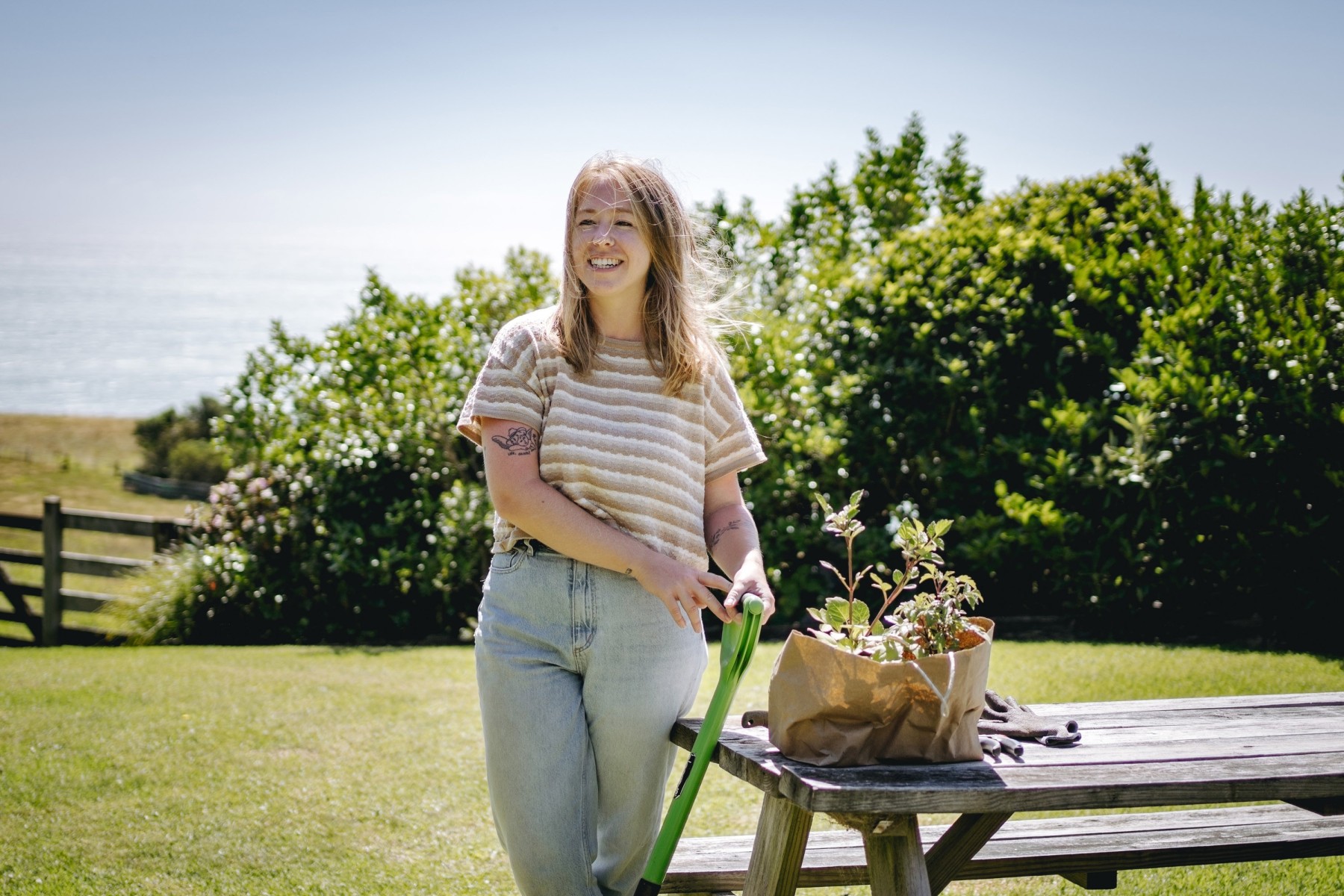
If you’re brand new to gardening, it’s a good idea to take things slow. You don’t need to go all-in building multiple garden beds or buying fancy watering or growing equipment. A few initial tools will go a long way:
- Gloves: Decent gloves will only set you back about NZ$10. Make sure you buy ones that fit you, as this will make dealing with delicate plants or seedlings easier.
- Seedling pots: These small pots are ideal for growing plants from seed before transplanting them to a larger pot or bed.
- A trowel: A hand trowel is the ideal size for digging holes, scooping soil, and weeding beds.
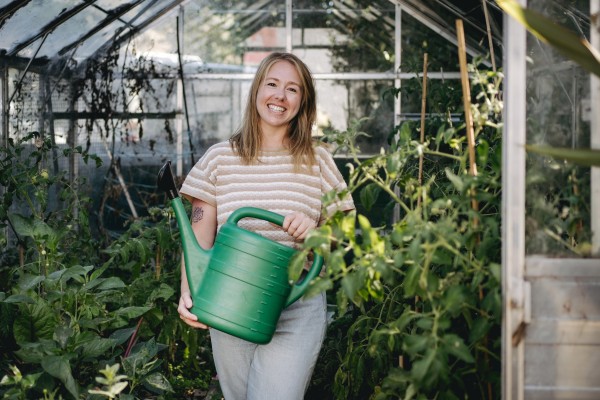
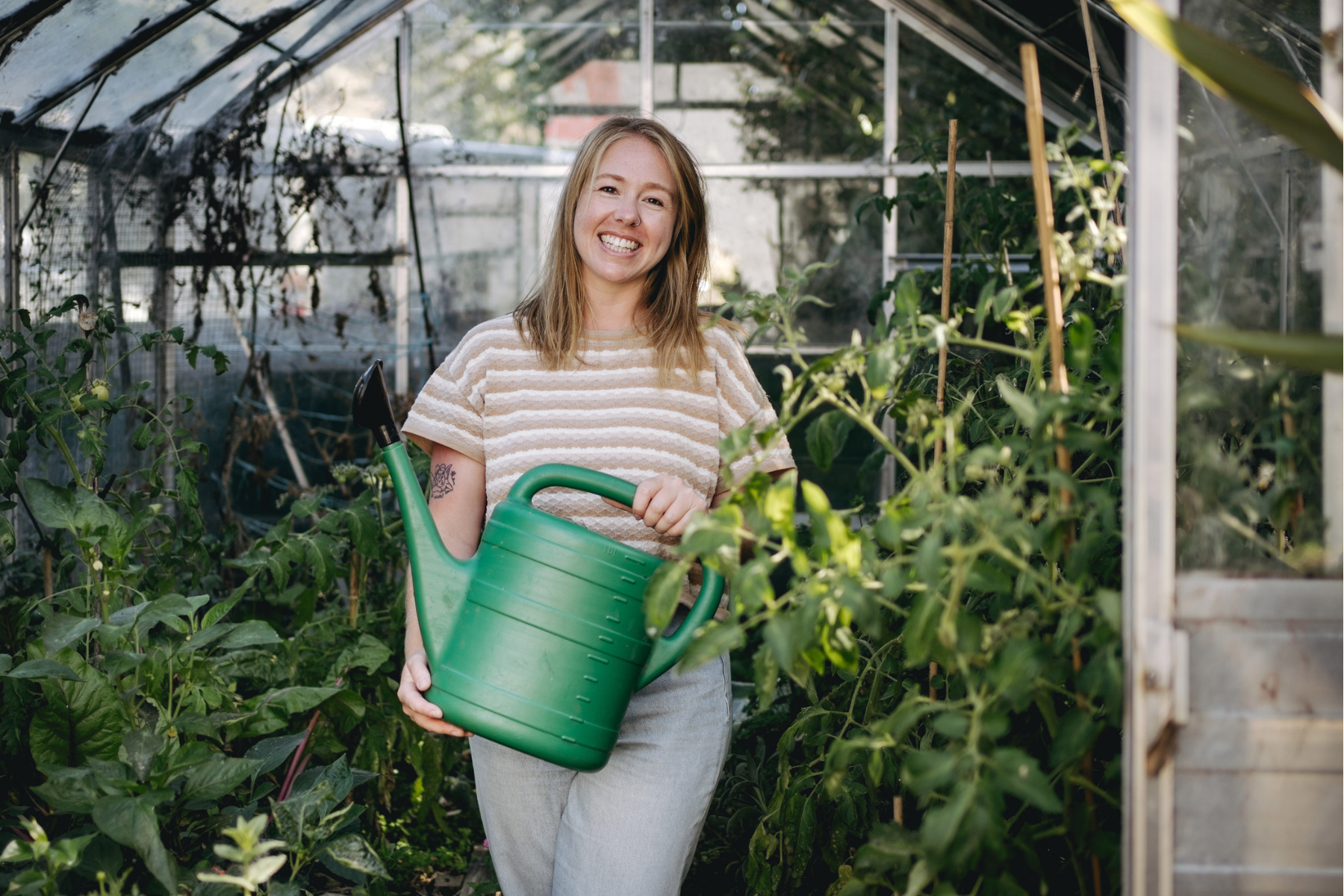
- Hose and watering can: If you’ve got an indoor herb garden, you can water it using almost any sized bottle – a glass or recycled bottle. For outdoor gardens, you’ll need something a bit bigger, like a hose or large watering can.
Garden design ideas
To get the most out of your garden, make sure you are designing for your space. Start by:
- Walking around your courtyard or backyard assessing where the sunlight hits.
- Using tape or a string line to map out the shape of your beds.
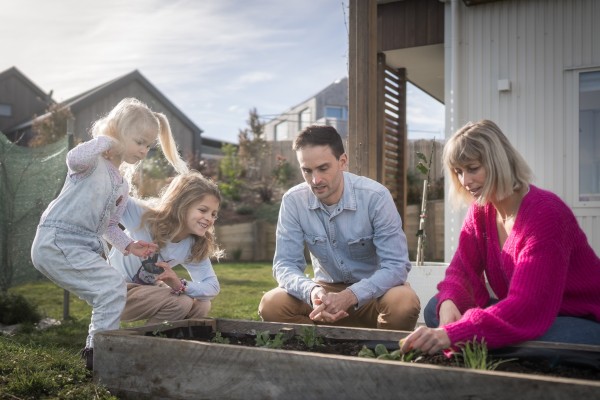
- Thinking beyond boring boxes. Raised beds can be made of corrugated iron, while garden beds can be any size and shape.
- Incorporating raised beds for added accessibility and visual interest.
- Using concrete planters as stepping stones in the middle of your garden bed.
- Use freestanding supports for growing veges upward to maximise small spaces.
- Plant veggies and flowers next to one another to make your garden colourful and alive while attracting bees and other pollinating insects.
Garden maintenance schedule
 Once you’ve got a garden up and running, regular maintenance can help you get the most out of your plants and your produce:
January
Summer is in full swing. Now is the time to harvest your fruit and summer vegetables, and prevent the soil from drying out between waterings.
February
As the summer growth comes to an end, it’s time to think about planting for autumn. Watering, weeding, and mulching should be on your calendar along with enjoying, preserving, or freezing any excess summer harvest.
March
Start preparing your winter garden. Start planting while the soil is warm and keep your soil moist if you’re in a dry area.
April
Autumn harvesting is in full swing. Now’s a great time to finalise any final winter plantings.
May
With frosts on their way in the winter months (in central and southern locations), make sure you protect the roots of any fruit trees. Harvest, freeze, or preserve any late Autumn produce.
June
Now is the time to start planting new season arrivals for early Spring.
July
Focus on soil preparation and winter harvesting. Roses, fruit trees, and camellias can all be planted this month.
August
Late winter is a great time for tool maintenance and planning your Summer garden.
September
Get into your late spring and summer planting for your vegetable garden.
October
Now is peak planting season for the summer, especially for tomatoes and summer vegetables.

November
Focus on garden maintenance such as weeding and watering as the weather gets warmer.
December
Summer harvesting and regular watering in the early morning or late evening.
Garden pest control
If you have an outdoor garden, you’ll most likely have pests. Common ways to control pests are through store-bought toxic solutions. While these methods are effective at killing insects, they should be used sparingly as they also kill bees:
- Snail and slug pellets: Modern pellets containing Iron EDTA or Metaldehyde are highly effective at killing slugs and snails. These aren’t safe to use around pets, and you’ll need to look for a pet-friendly version.
- Synthetic sprays: Synthetic sprays leave a residual barrier on the plant and are toxic to caterpillars and aphids.
- Insecticides: The chemicals in insecticides are absorbed into the plant's sap system. When a sucking pest bites into the leaf, it ingests the chemical.
Organic gardening techniques
If you have pets, want to protect bees and other pollinators or just prefer non-toxic solutions, you can try:
- Physical barriers: Fine insect mesh or netting will stop white butterflies from laying eggs and prevent caterpillars from invading your plants. A physical barrier is also a great deterrent for wild rabbits.
- Companion planting: Certain strongly scented plants, herbs, and flowers can be a major turn-off to some pests. Think marigolds, lavender, mint, thyme, rosemary, and sage. The upside is that many of these companion plants are edible and beautiful!
- Neem oil: A natural extract that disrupts the life cycle of chewing and sucking insects (like aphids, mites, and scale). It is safe for beneficial insects like bees once it dries, but best sprayed at dusk.
- Insecticidal soaps: Non-toxic soaps kill insects by smothering soft-bodied insects like aphids and whiteflies. Spray the stems and leaves to prevent them from eating your plants.
- Ducks: If you’ve got the room for it, keeping ducks (especially larger breeds that can’t fly) is a highly effective way to keep your garden free of slugs, snails, grasshoppers, and slaters. They’re also much gentler on plants than chickens, and won’t eat your produce (most of the time) or scratch up garden beds.
Companion planting

Companion planting is a great way to protect your plants from pests. Pairing different plants, herbs, and flowers together can also amplify growth! Here’s what you should pair together:
Tomato, basil, and marigold
- The smell of basil helps to deter whiteflies, which can keep your tomatoes protected during summer.
- Marigolds release chemicals from their roots that repel roundworms, while their bright flowers attract hoverflies (whose larvae feed on aphids).
- Tomato plants provide afternoon shade and are great for planting above low-profile veggies such as lettuce.
Sweetcorn, climbing beans, and pumpkin
- Sweetcorn acts as a natural trellis for beans to climb.
- Beans pull nitrogen from the air and pump it into the soil, acting as a natural fertiliser.
- Pumpkin leaves act as a living mulch, covering the ground to trap soil moisture and suppress weeds.
Carrots, leeks, or onions
Leeks, onions, and even chives are great to plant near carrots as they mask their scent, hiding it from the carrot rust fly. (Prevalent in warmer parts of the North Island).
Brassicas, sage, rosemary, or thyme
The White Butterfly is the nemesis of winter crops in New Zealand, especially brassicas like broccoli, cabbage, and kale. To prevent them from laying eggs near your winter veggies, plant woody herbs like sage, rosemary, thyme, or mint next to your brassicas.
Nasturtiums and almost anything
Nasturtiums are known as a sacrificial crop – one you plant because it attracts bugs and you don’t mind if it gets eaten. Aphids, whiteflies, and caterpillars love nasturtiums.
Planting a border of this bright orangey-red flower can protect your produce. Once the nasturtium gets heavily infested, you can simply pull it out and throw it away.
Final thoughts on growing your own garden

Starting your own garden in New Zealand doesn’t need to be complicated, expensive, or reserved for people with big backyards. Whether you begin with a few herbs on a sunny windowsill or map out your first raised vegetable bed, the best garden is one that suits your space, your routine, and the food you actually like to eat.
Start small, learn as you go, and don’t worry if everything doesn’t grow perfectly the first time. With the right sunlight, good soil, regular care, and a bit of patience, your garden can become one of the most rewarding parts of home life – fresh, practical, calming, and very satisfying when dinner includes something you grew yourself.




 Once you’ve got a garden up and running, regular maintenance can help you get the most out of your plants and your produce: