If you’re thinking of moving to Hamilton, you’re not alone. What was once a small town is now New Zealand’s fourth largest city. With a population of 192 100, ‘the Tron’, as it’s lovingly known, is predicted to become our second largest city by 2040.
Hamilton might be growing, but it still punches above its weight when it comes to affordability. Here’s everything you need to know about the cost of living in Hamilton in 2026, from property prices to food and entertainment.
Why is Hamilton so popular?
Kiwis love to make fun of our small towns. But Hamilton’s reputation as either a satellite town fit for serving Auckland or a place popular with bogans is now outdated.
The city has a thriving economy of its own, facilities capable of hosting international musicians, a world-class university and is home to the spectacular Hamilton Gardens.
It’s a city that families, young professionals and students can all thrive in because..
1. It’s close to everything
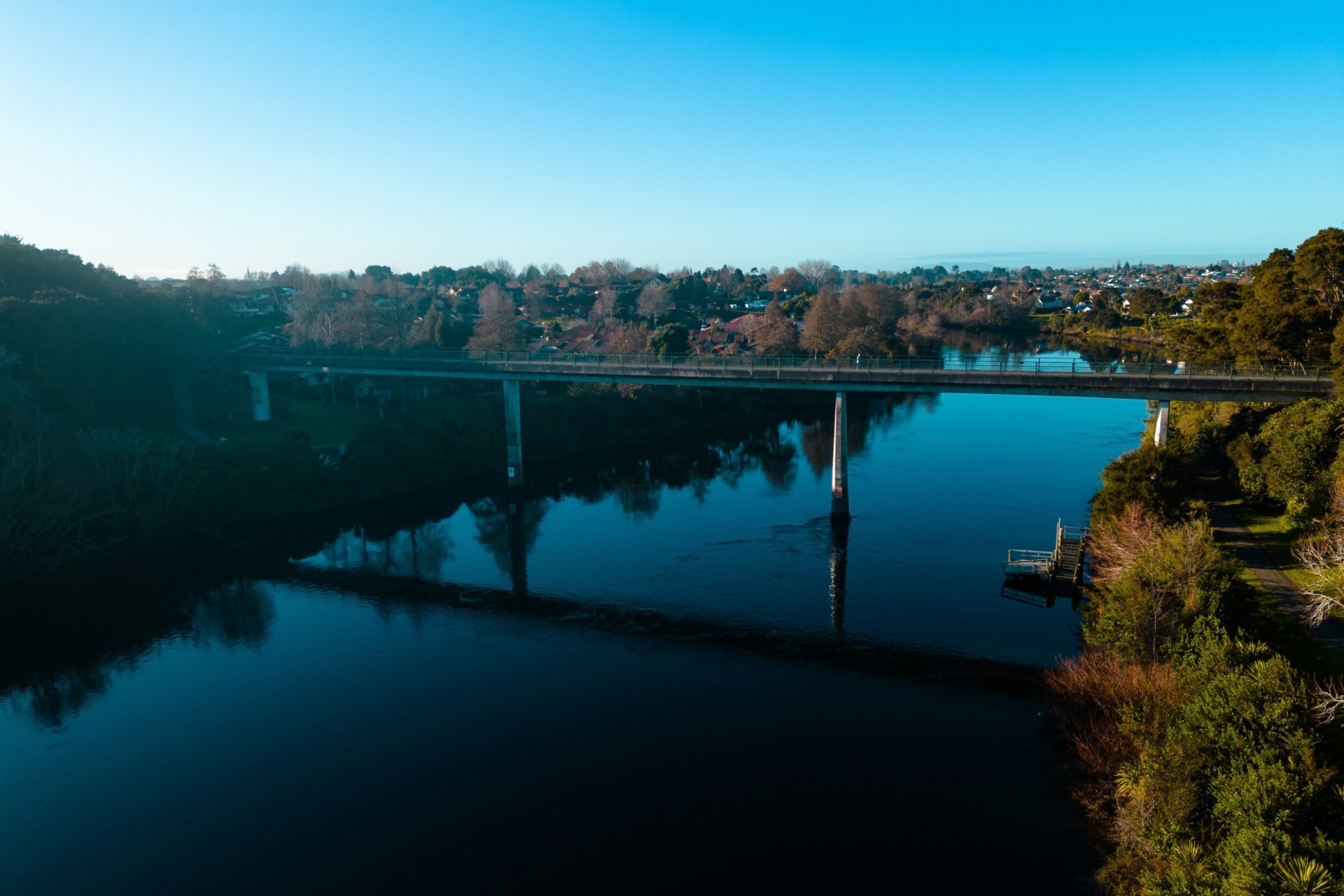
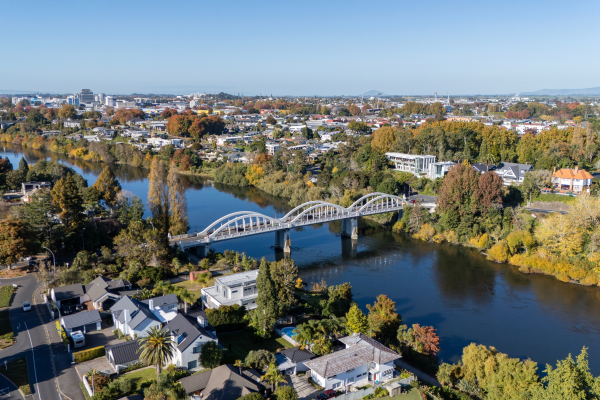
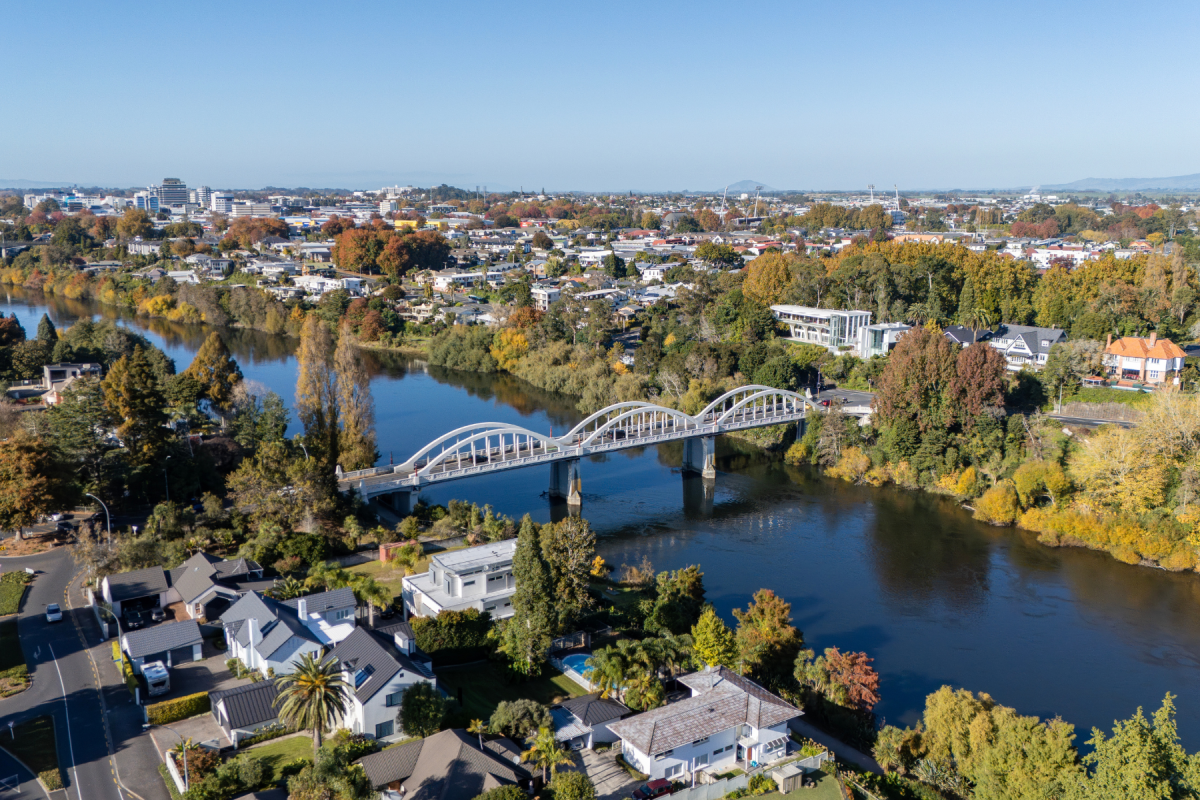
Located on the banks of the Waikato River, Hamilton offers a great combination of city life while still giving residents access to the great outdoors. You’ll gain easy access to Raglan to the west, Auckland to the north and the outdoor adventures of the central North Island to the south.
2. It’s got city, suburban, and country living
While living in the city centre has become more popular, many people choose to live in nearby towns like Cambridge, Te Awamutu, and Ngāruawāhia, where you can often find slightly more affordable housing and larger sections for families.
3. It’s got a stable economy
Hamilton is a major hub for agriculture, science, and education. This makes the local job market a lot more stable than other New Zealand towns that rely on one or two sectors. From Healthcare to research and logistics, the city's steady economy makes it a great place to build a career, raise a family and save money.
Where are the best places to live in Hamilton?
Hamilton East
This established and vibrant suburb is located across the Waikato River from the central business district. Here the streets are leafy, and the housing – character villas – are populated by a mix of students, young professionals, and families.
Think of it as Hamilton’s hippest suburb. You’ll find eclectic coffee shops and boutique stores on the main roads with a mix of student flats and modern townhouses throughout.
The cost: The rental market here varies widely. A 4-bedroom character home or large flat rents for around NZ$700 to NZ$760 per week, while a modern 1-bedroom unit or studio costs roughly NZ$360 to NZ$420 per week.
Hillcrest
Hillcrest is located in the central city to the east and is home to the University of Waikato. Hillcrest has its own shopping centre and is a major arterial route to Tauranga or Rotorua.
It’s a favourite for obvious reasons with students and young professionals. As a bonus, it’s a pretty flat, walkable and cyclable suburb. Most homes are established brick and tile bungalows, but in the last decade high-density homes purpose-built for renters have become more common.
The cost: Hillcrest is a competitive rental market thanks to the University and its central location. The average price of a 3-bedroom rental home in Hillcrest is NZ$630 per week.
Tamahere and Matangi
Tamahere and Matangi are located just outside the southern boundary zone for Hamilton city. These suburbs are known for large lifestyle blocks, architectural builds, and great schools. This suburb is separated from the city by the Southern Expressway, making a car a must-have.
As Hamilton’s most exclusive and expensive suburbs, you’ll find that there are a limited number of rentals in this area and no high-density housing.
The cost: The average price of a 4- to 5-bedroom lifestyle property in these zones easily rents for NZ$1 000+ per week.
Melville
South of the city centre is Melville. It’s located just to the south of Waikato Hospital – one of the largest hospitals in Australasia, making it a popular area for healthcare workers to live. It’s a mostly residential centre but also home to the Gallagher Aquatic Centre – a small local pool.
The housing market here is mainly made up of units, townhouses, and mid-century builds. The rental market is competitive due to the proximity of the hospital.
The cost: A 2-bedroom unit or townhouse close to the hospital generally rents for NZ$500 to NZ$540 per week, while a 3-bedroom home costs between NZ$590 and NZ$640 per week.
Rototuna and Flagstaff
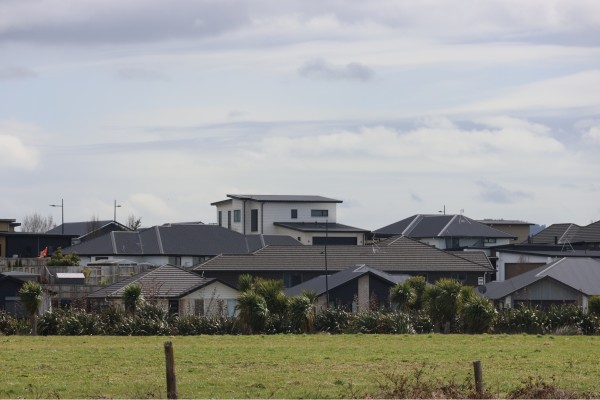
 These are Hamilton’s modern, master-planned suburbs that sit to the northeast. First built in the early 2000s, this area continues to expand, turning rural farmland into highly sought-after residential suburbs.
Although they’re a bit out of the way, careful planning means that these suburbs are well supported with schools, shopping centres, libraries, and modern amenities all close by. These suburbs are ideal if living out of the city but close to everything you need appeals.
The cost: Rents sit about 10–15% above Hamilton city. An average 3-bedroom home rents for NZ$680 to NZ$700, while modern 4-bedroom homes rent for NZ$750 to NZ$850+ per week.
Pukete and St Andrews
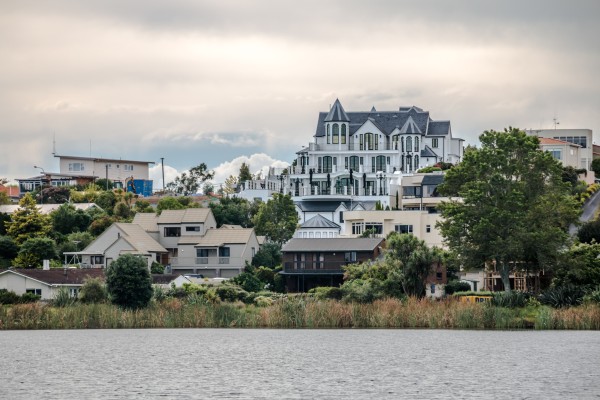
To the east of the Te Rapa industrial zone you’ll find Pukete and St Andrew, two desirable suburbs that are close to the Waikato River. These are old, established neighbourhoods known for leafy streets, character homes, and the prestigious St Andrews Golf Course.
Both suburbs offer great access to the river, the Pukete Mountain Bike Track and riverside walking paths, and the employment and retail hub of Te Rapa (including The Base shopping mall).
Housing here is mainly made up of 1970s and 80s large builds. You’ll find that most homes are still on large, undivided sections. But a growing number of modern, smaller townhouses are cropping up.
The cost: 2-bedroom units/townhouses generally rent for NZ$500 to NZ$550 per week. 3- to 4-bedroom family homes average between NZ$620 and NZ$680 per week.
How much does property cost in Hamilton?
New Zealand might be experiencing some reprieve in our housing market, but Hamilton has been more resilient than other centres. This is largely due to Waikato University continuing to attract students year on year and Waikato Hospital being a major employer.
The cost of renting property in Hamilton
There are 60 suburbs and towns to rent houses in the Hamilton area, ranging from established suburbs in the inner-city and newer suburbs to the north and north-west.
The Waikato region has a median weekly rent of approximately NZ$571 per week, with Hamilton City itself sitting slightly higher with an overall median of around NZ$592 per week. Current listings on TradeMe sit around:
- 1-bedroom properties and studios rent for around NZ$350 to NZ$390 a week.
- 2-bedroom townhouses and flats rent for around NZ$470 to NZ$550 a week.
- 3- to 4-bedroom homes rent for between NZ$560 and NZ$750 a week (with premium builds in north Hamilton commanding a higher price).
The cost of buying property in Hamilton
Buying in Hamilton is competitive, but overall a lot more affordable than other markets in New Zealand. Hamilton has plenty of space to build and a recent construction boom, particularly in the northern suburbs, has helped keep prices down.
The median house price in Hamilton is between NZ$640 000 and NZ$750 000, significantly more accessible than the national median price of NZ$775 000.
What’s the average salary in Hamilton?
In Hamilton, the median income in 2025 was NZ$66 560 per annum, slightly below the average salary of NZ$69 836 for all of New Zealand. It’s worth noting that Hamilton has a mean income of NZ$75 036, which suggests that some industries pay better than average salaries.
What is the cost of food in Hamilton?
How much does it cost to buy groceries in Hamilton?
A standard weekly grocery shop for a single household in Hamilton falls right around the middle compared to the rest of the country. A typical single grocery shop in Hamilton averages about NZ$200 for a two-person household to NZ$350–NZ$500 for a family of four.
How much does it cost to dine out in Hamilton?
From cheap eats to fancy fine dining, here’s what you can expect to pay per person for a meal at some of the city's most popular restaurants:
- Brunch: NZ$19–NZ$26 per main (e.g., Grey Street Kitchen, Hayes Common, Kopi Cafe).
- Cheap and cheerful: NZ$18–NZ$30 per person (e.g., Texas Pete, Rice Rice Baby, or standard local burger joints).
- Fine/Premium dining: NZ$45–NZ$75 per main (e.g., Gothenburg, Palate, Smith & McKenzie).
How much does it cost to drink at a bar in Hamilton?
You’ll find lots of options for everything from craft beers to cocktails on the riverfront in Hamilton. Here’s what you can expect to pay per drink:
- Cocktails and spirits: NZ$16–NZ$22 per drink (e.g., Wonder Horse, Mr Pickles).
- Craft beer on tap: NZ$11–NZ$14 per pint (e.g., The Roaming Giant, Good George Dining Halls).
- Wine: NZ$12–NZ$22 per glass, or up to NZ$70+ for premium bottles (e.g., Amphora wine bar).
What is Hamilton’s public transport like?
While Hamilton is a relatively flat city with excellent walking and cycling paths along the river, it is quite spread out. Public transport or a car are highly useful for commuting, especially between suburbs.
Hamilton’s public transport is operated by the BUSIT network.
The Comet, Meteor, and Orbiter buses are high-frequency services that orbit or cross the city. There are also 16 inner-city bus routes that service everything from Hillcrest in the south to Rototuna in the north and everything in between.
How much does public transport cost in Hamilton?

Fares within Hamilton City (Zone 1) are incredibly affordable if you pay with a Bee Card:
- Travel using a registered Bee Card is NZ$2.67 per trip compared to NZ$6.00 cash.
- Travel completely within the designated Central City Zone (e.g., between the CBD, Wintec, and Waikato Hospital) drops to just NZ$1.34 on a Bee Card.
How much is parking in the Hamilton CBD?
For on-street parking, Hamilton City Council operates a simple pricing structure that’s designed to encourage visits to the CBD:
- First two hours: Free (You must register your vehicle's number plate at a street parking unit or via the council parking app to claim free parking.)
- After two free hours: NZ$6.00 per hour.
Paid parking applies Monday to Saturday between 8:00 am and 8:00 pm. Parking overnight, on Sundays, and on public holidays is free.
Where should you park in Hamilton’s CBD?
Popular choices include:
- Garden Place Carpark
- Farmers Hamilton Carpark on Alexandra Street
- SkyCity Hamilton underground parking off Alma Street
What is there to do in Hamilton?
From nature to art, there are plenty of things to do and experience in Hamilton to keep you busy.
Explore nature
One of the best things about Hamilton is that you don’t have to sacrifice nature for city convenience.
- Visit the Hamilton Gardens: These are the crown jewel of the city and feature internationally acclaimed, award-winning themed paradise gardens. Trust me when I say you don’t have to be a gardener or know anything about plants to be wowed by these gardens.
- Walk or cycle the Waikato River Paths: The country's longest river cuts right through the centre of the city, making it highly accessible to a wide range of neighbourhoods. You can walk or cycle for miles along its flat boardwalks and shared walkways.
- Surf at Raglan: One of the best breaks in New Zealand is located a 45-minute drive to the West. Whether you’re a surfer or just like getting out for some fresh, salty air, a trip to Raglan will make you feel alive.
Experience arts and culture
You might be surprised to know that Hamilton has a thriving creative heart. From theatre to museums and street art, there’s something for everyone to explore.
- Visit the Waikato Museum (Te Whare Taonga o Waikato): Learn about the indigenous history of the Waikato, view a 200-year-old waka taura (war canoe), get interactive with its science displays and view a stunning collection of Tangata Whenua (treasures) for free.
- Explore the Street Art: The Boon Street Art festival is on a mission to cover Hamilton’s central streets and laneways in massive, vibrant murals. They’re making pretty good progress too. Spend an afternoon doing a self-guided walking tour of the city's urban canvas.
- See a show at the Meteor or Clarence Street Theatre: From local indie plays and stand-up comedy to music and musicals, the city's performing arts venues host a packed, diverse calendar of live entertainment.
What regular events are on in Hamilton?
- Hamilton Arts Festival Toi Ora ki Kirikiriroa (February): Spanning 10 days and featuring close to 50 distinct events, including theatre, comedy, cabaret, dance, and live music. Staged within the open-air of the Hamilton Gardens, a major highlight is the Sunset Symphony, a free community outdoor concert.
- Balloons over Waikato (March): A multi-day festival which fills the Hamilton skies with hot air balloons. Wake up early to watch morning launches at Innes Common or catch the spectacular night show at the University of Waikato, which showcases choreographed glowing balloons, live music, and a fireworks display.
- The Waikato Food Show (July): This two-day culinary festival attracts thousands of visitors to sample their way through gourmet food, attend cooking shows and learn from artisan masterclasses. A ticket also grants you entry to the Waikato Festive Market running right alongside it. Online general admission day passes start at around NZ$16 for adults and NZ$10 for children.
- Fieldays (June): Fieldays is the largest agricultural event in the Southern Hemisphere. Hosted at the massive Mystery Creek complex just outside Hamilton, it draws over 100,000 visitors over four days. Check out the latest in agritech, as well as expos, and classic Kiwi logging and tractor competitions. Adult day passes typically cost around NZ$30 to NZ$35.
How can I find an affordable mover in Hamilton?

Hamilton offers something that’s a bit of a unicorn in New Zealand: the affordability of a smaller city, with plenty of the perks of big-city living.
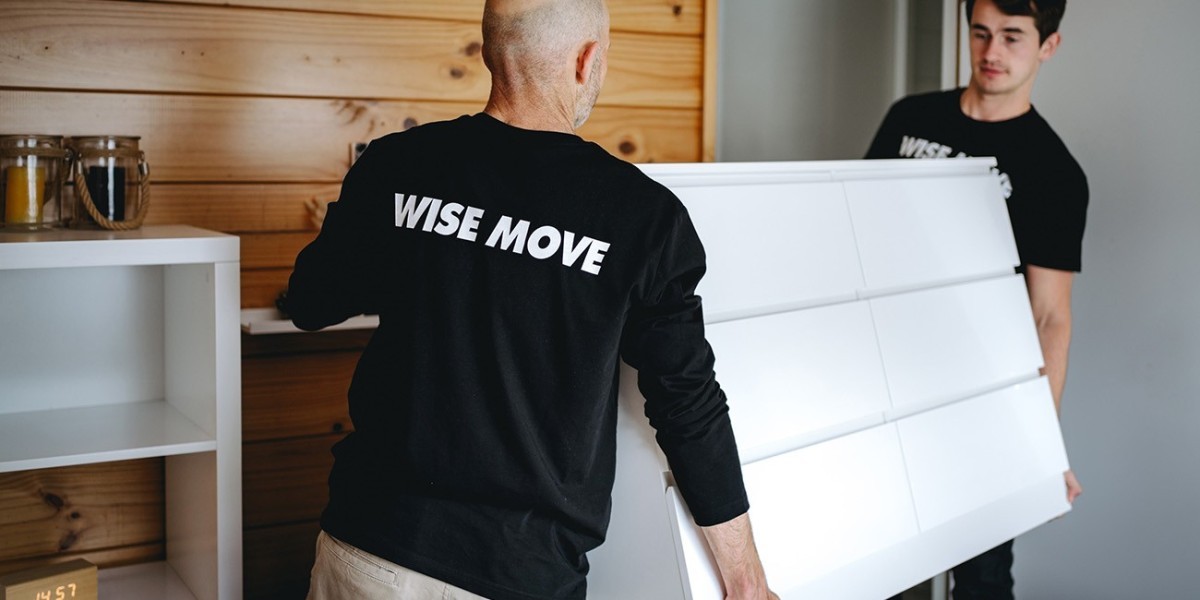
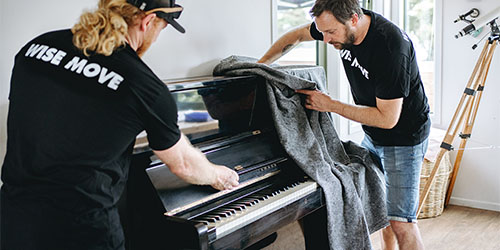
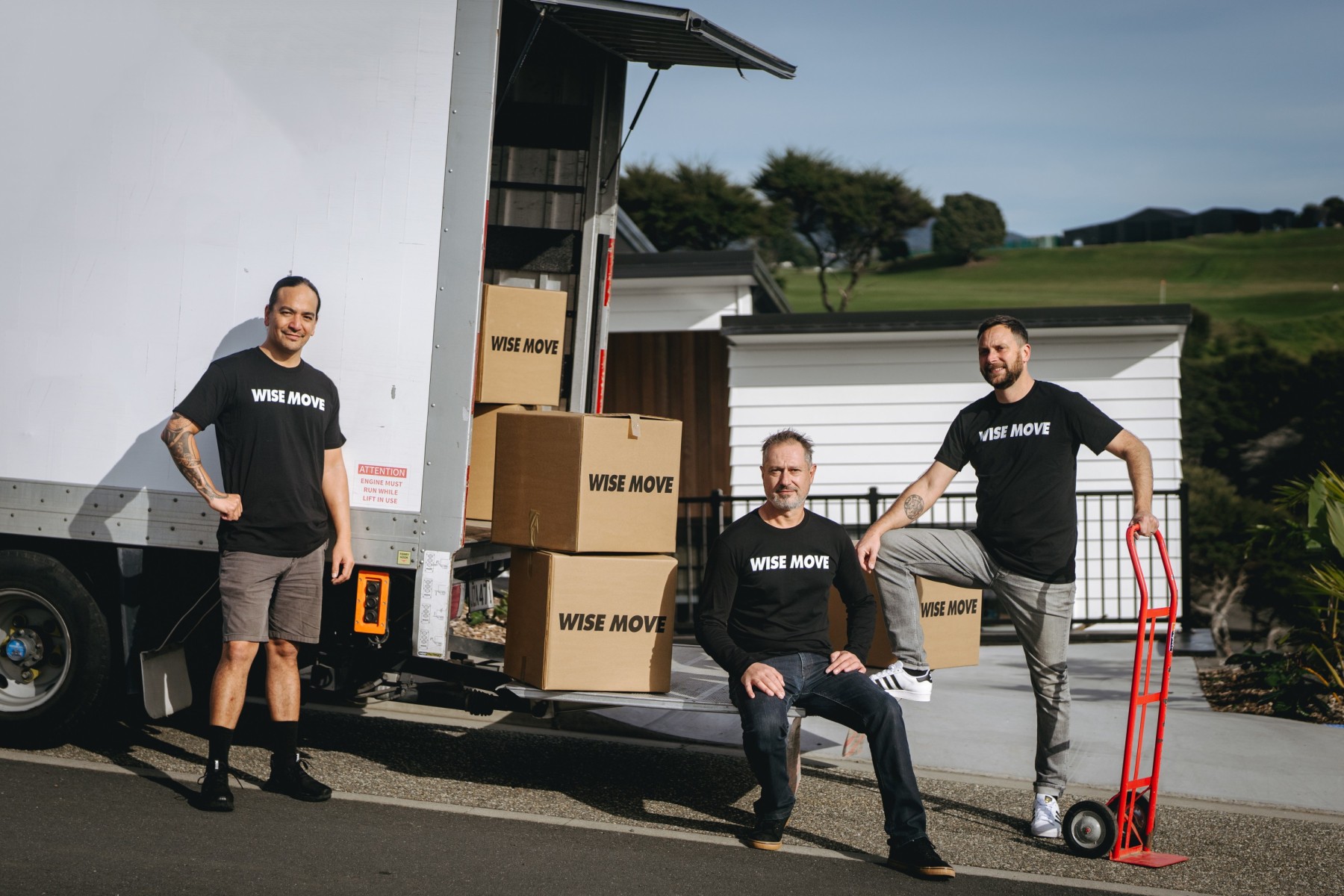
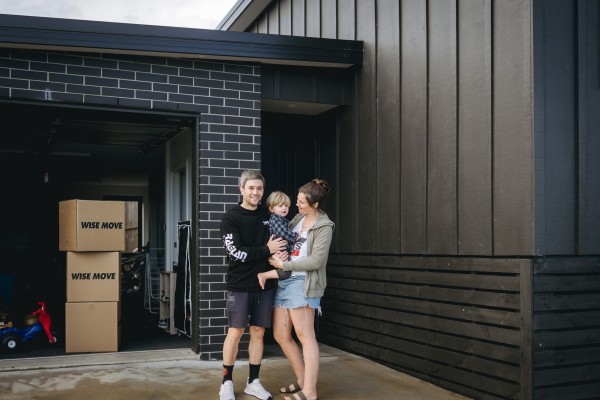
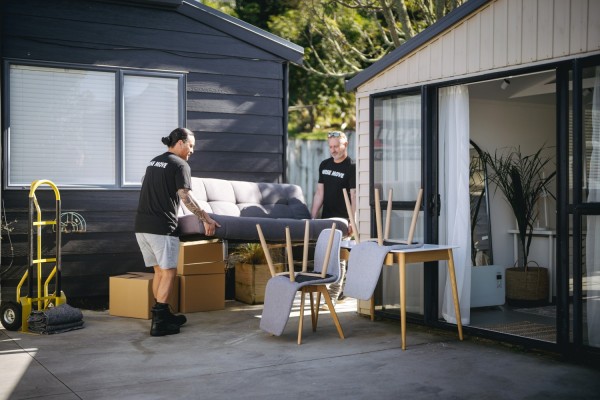
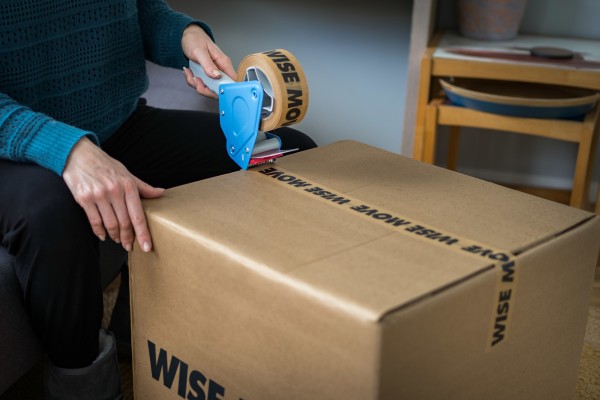
If you’re planning a move to Hamilton, Wise Move can help you make the most of that affordability from day one. Our locally based movers offer competitive pricing, helping you keep moving costs down without compromising on a smooth, reliable move.
Book a local Hamilton moving team with Wise Move, and start your next chapter in the Tron on the right foot.




![The cost of living in Hamilton [2026]](https://cdn.wisemove.co.nz/image/blog/311fad2ecca1d792610daf0c277640fc.jpeg "The cost of living in Hamilton [2026]")
 These are Hamilton’s modern, master-planned suburbs that sit to the northeast. First built in the early 2000s, this area continues to expand, turning rural farmland into highly sought-after residential suburbs.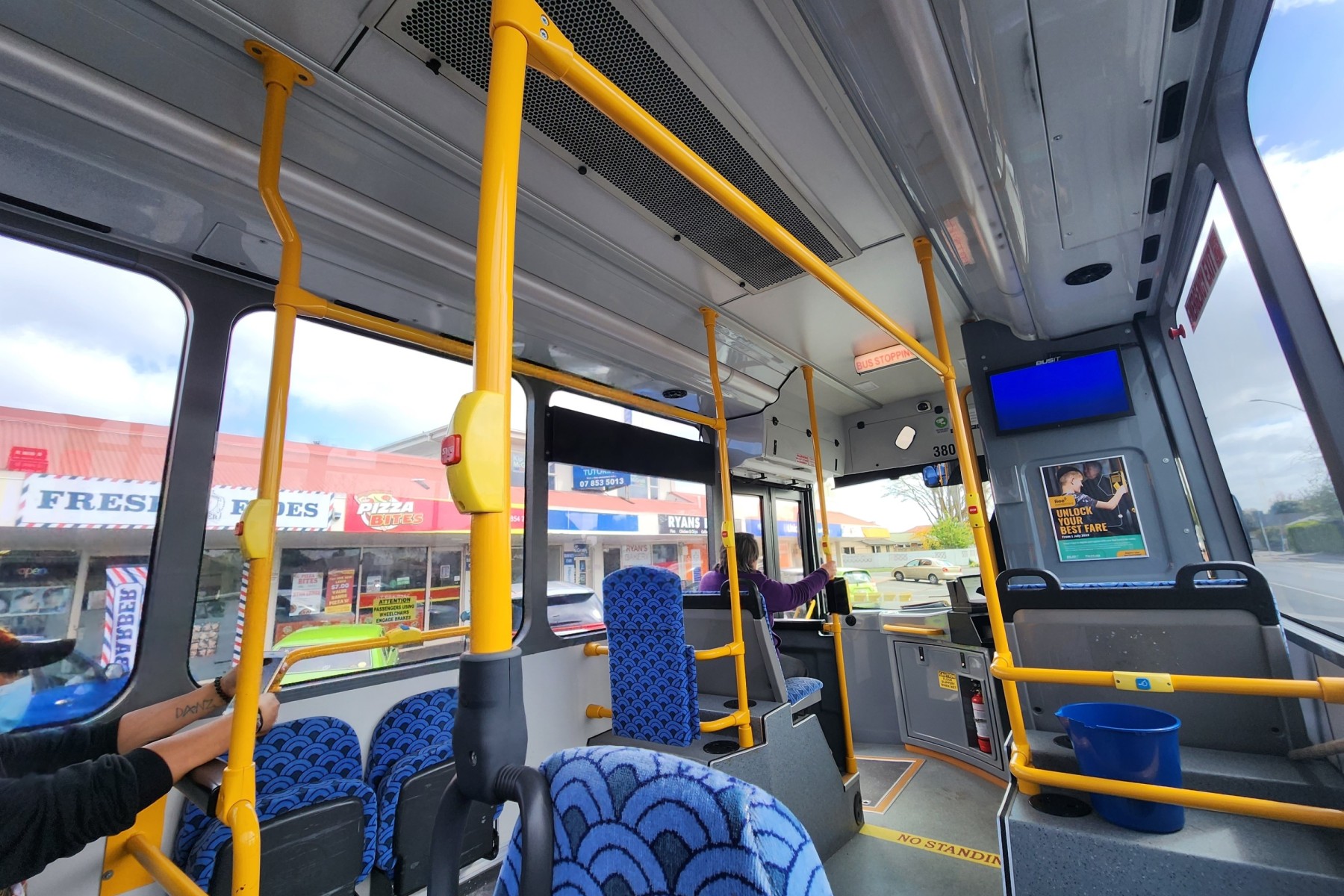

![What does it cost to build a new house in New Zealand? [2025]](https://cdn.wisemove.co.nz/image/blog/ffd5dbdc5eec7e9eb3ad049d6c5c7f4d.jpeg "What does it cost to build a new house in New Zealand? [2025]")


![Cost of Living in Wellington [2025]](https://cdn.wisemove.co.nz/image/blog/9fb48a8bb223ca2bbe364be82a08dc73.jpeg "Cost of Living in Wellington [2025]")
![The Cost of Living in Christchurch [2025]](https://cdn.wisemove.co.nz/image/blog/7f2f5f00e0f0b12f2efbd7e8106f1c77.jpeg "The Cost of Living in Christchurch [2025]")
![The Cost of Living in Queenstown [2025]](https://cdn.wisemove.co.nz/image/blog/dac6744ceeec301cb10f558054b2c899.jpeg "The Cost of Living in Queenstown [2025]")
![The Cost of Living in New Zealand [2025]](https://cdn.wisemove.co.nz/image/blog/d539e4255aa65a048571f0a66070bf6d.jpeg "The Cost of Living in New Zealand [2025]")