New Zealand is a great place to start or raise a family. With free access to public schools and a focus on holistic development, New Zealand offers plenty of opportunities for children to thrive academically and socially.
As a parent, you might have questions about school terms, fees, zones, and how to enrol your child in the right school. We explore everything you need to know about the New Zealand school system, from the academic calendar, school fees and donations, zoning rules, and the enrolment process.
What types of schools are there in New Zealand?
Early Childhood Education (ECE)
Age Group: Birth to 5 years
Early childhood education is not compulsory, but it is common for parents to enrol their children to help socialise them and prepare them for school. There are a wide range of options, including kindergartens, play centres, childcare, and Māori immersion preschools to choose from.
To help pay for childcare in their early years, the government provides families with 20 hours of free ECE funding per week for children aged 3–5 years.
- Kindergartens: Typically for children aged 3–5, focused on play-based learning.
- Playcentres: Parent-led cooperative groups that focus on child-driven exploration.
- Childcare Centres: Cater to children from birth to 5 years, with a mix of care and early education.
- Kōhanga Reo: Māori-language immersion preschools that focus on Māori culture and language.
Primary Schools
Age Group: 5 to 12 years (Years 1–8)
Primary education is the first formal stage of schooling in New Zealand. It is compulsory from age 6, but many parents enrol their children once they turn 5. All primary schools run from years 1-6, (ages 5–10). Some schools also teach Years 7-8.
In Primary School, the focus is on teaching literacy, numeracy, science, social studies, health, and arts. Schools often include te reo Māori (Māori language) and cultural studies as part of the curriculum.
Intermediate Schools
Age Group: 11 to 12 years (Years 7–8)
The Intermediate years (Years 7-8) are often taught as part of primary school. However, there are still some intermediate schools in New Zealand that are taught completely separately. These years help young students develop a sense of independence and prepare them for more specialised subjects at secondary school.
Secondary Schools (High Schools/Colleges)
Age Group: 13 to 18 years (Years 9–13)
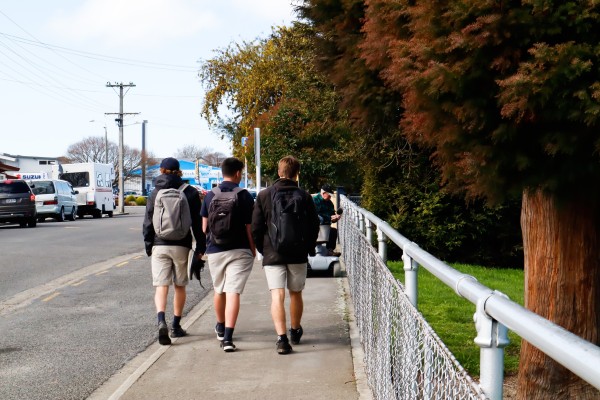
In New Zealand, secondary education is compulsory for all children until they turn 16. Many students choose to stay on until their final year of secondary school so that they can complete their qualifications.
The secondary school curriculum teaches students against the National Certificate of Educational Achievement (NCEA) framework at Levels 1, 2, and 3. At secondary school, subjects are more specialised, and students can choose pathways that align with courses at university, vocational training, or their future employment plans.Types of Secondary Schools in New Zealand
- General Secondary School: Most children attend general Secondary School in New Zealand. Sometimes these schools are referred to as colleges. They teach from the New Zealand curriculum and offer a wide range of subjects.
- Kura Kaupapa Māori: New Zealand offers Māori immersion schools that follow the Te Aho Matua curriculum. These school are open to all students, however classes are taught in Te Reo Māori (the Māori language) and have a focus on teaching Te Ao Māori (Māori worldview).
- Special Character Schools: Character schools in New Zealand are either faith-based or philosophy-driven. These school include Christian schools, Montessori and Steiner.
- Private Schools: Private schools charge tuition fees to their students. They are sometimes faith-based (many Catholic colleges are private). They teach from the New Zealand curriculum but operate independently of the government. They offer smaller class sizes and tend to offer a wider range of specialised elective classes, interests and sports.
How does the New Zealand school system work?
In New Zealand, many schools have geographic zones. This means that children attend a school based on where they live. Most schools will have a limited number of children they can accept from outside of these zones.
A national curriculum is taught in all state and integrated schools. Māori kura/scools follows Te Marautanga o Aotearoa. The education system includes programmes for gifted students, those with learning difficulties, and students needing English language support.
This helps make sure that all children have access to quality education and can get support tailored to their individual needs and family preferences.
What are the School Terms in New Zealand?
In New Zealand, the school year typically runs from late January or early February to mid-December and is divided into four terms. While exact dates vary slightly between schools, generally, most schools follow the same structure:
-
Term 1: Late January/Early February to mid-April
-
Term 2: Late April to early July
-
Term 3: Mid-July to late September
-
Term 4: Mid-October to mid-December
The school term lasts for 10 weeks, with two-week breaks between terms and a longer summer holiday between the school years (December to late January).
Turning 5: How the new entrance system works
You can enrol your child in school once they turn five, although attendance is not compulsory until they turn six. Most New Zealand children begin school on their fifth birthday or at the start of the term closest to it. For example, if your child turns 5 in November, many parents enrol their child at the start of the following school year in January.
Children who start school in the first six months of the calendar year are often referred to as Year 1s. Children who join in the second half are often referred to as Year 0s or New Entrance.
If your child turns 5 in July, they can start school as a New Entrance (or Year 0) but will usually be put back into a Year 1 class in January. This is because they will only have completed one or two terms of the Year 1.
How to enrol your child in School
You can contact the school you wish to enrol your child in directly. To enrol you will usually need an enrolment form (specific to that school), proof of address, your child’s birth certificate, immunisation records, and any relevant visas for international families.
Common questions about the New Zealand school system
Do I have to donate to my child’s school in New Zealand?
Schooling is paid for by the taxpayer in New Zealand, but many schools help fund extracurricular activities or programmes or facility upgrades through donations. Donations are not mandatory, and parents are not legally required to pay them.
Schools cannot exclude students or withhold resources if you do not pay a donation.
What other costs are associated with schooling in New Zealand?
As a parent, you’ll need to pay for your child’s uniform, stationary and most school trips like a camp, field trips or sport tournaments away from home. In the Primary school system, most schools don’t require students to wear uniforms, while in secondary school they do.
What is the school equity index?
New Zealand used to have a decile funding system, where each school was given a decile score from 1-10. This has been replaced by the Equity Index. Schools now receive funding based on their Equity Index score, which reflects the socioeconomic challenges faced by the student population. Schools with a higher Equity Index score receive more government funding to provide additional support and resources.
How do school zones work?
Most public schools use a zoning system where children who live within the school zone will usually gain acceptance to that school. Children who live outside of the school zone can still apply, but they may have to go through an interview process to get accepted.
Should you move closer to your school?
If your preferred school has an enrolment zone and you live outside it, moving into the zone can guarantee your child the right to enrol. Before relocating, check the school’s current zone boundaries and make sure the address will qualify, as zones can change and not every school uses them. Living closer can also mean an easier school run, more time for extracurricular activities, and stronger connections with friends and families in the local school community.
Make the move closer to your child’s chosen school
Once you’ve found the right home in the right school zone, Wise Move can help your family get there. Book one of our trusted moving teams for a smooth, straightforward home move anywhere in New Zealand, so you can focus on helping your child settle into their new school and community.