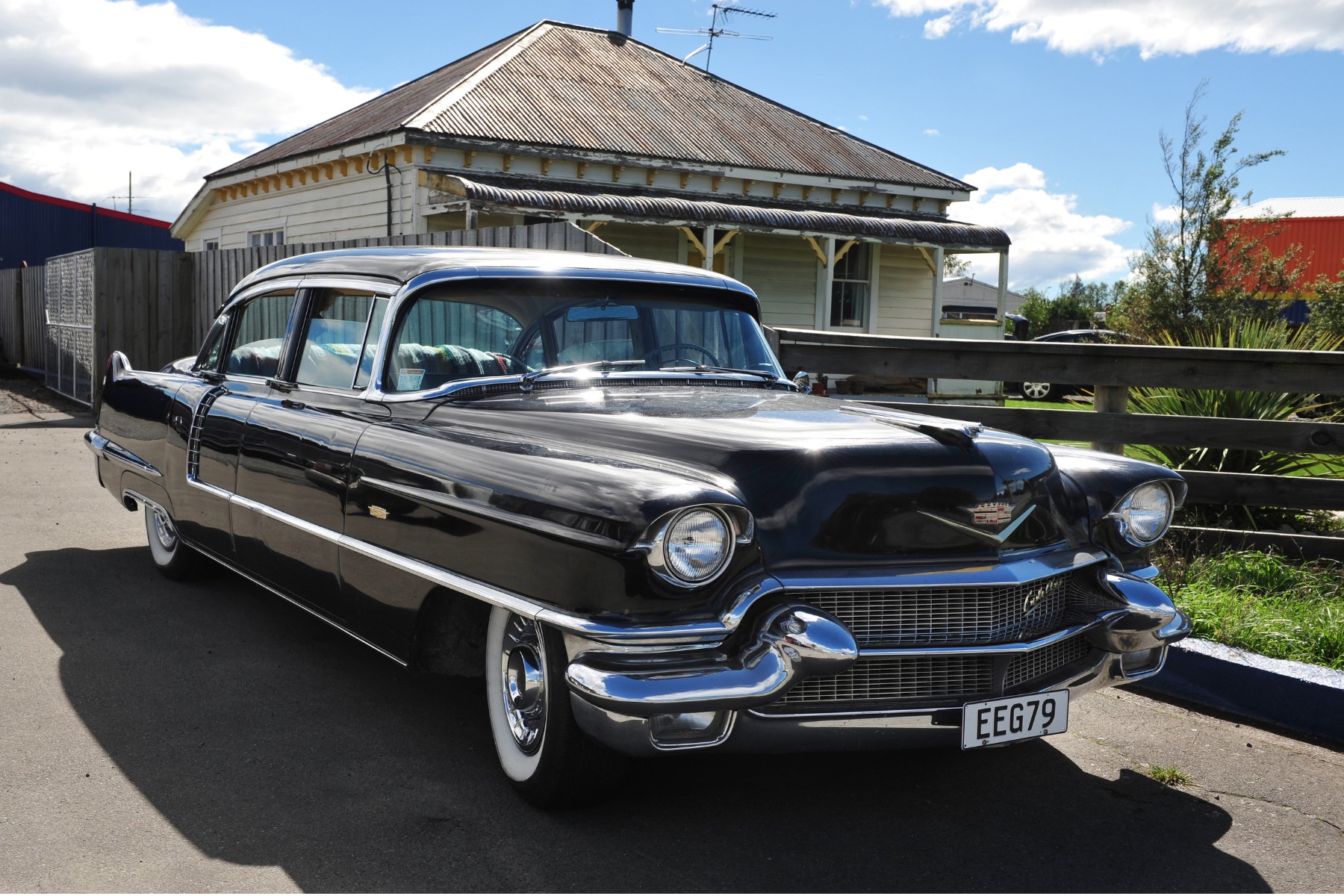
For classic car owners in New Zealand, moving from A to B comes with a unique set of challenges. While you may love the thrill of taking your pride and joy on the open road, getting it across the country requires a bit more thought. That's where classic car transportation comes in.
Whether you’ve got a vintage Jaguar or a rare Porsche 924, opting for classic car transportation means that your chosen provider will have the specialised equipment (and importantly, the know-how) to get your car safely on the truck, across the country, and off again, without so much as a scratch.
In this guide, we break down exactly what you should expect from using a specialist carrier to ensure your car arrives in the same condition it left your driveway.
Specialised equipment and low-clearance knowledge
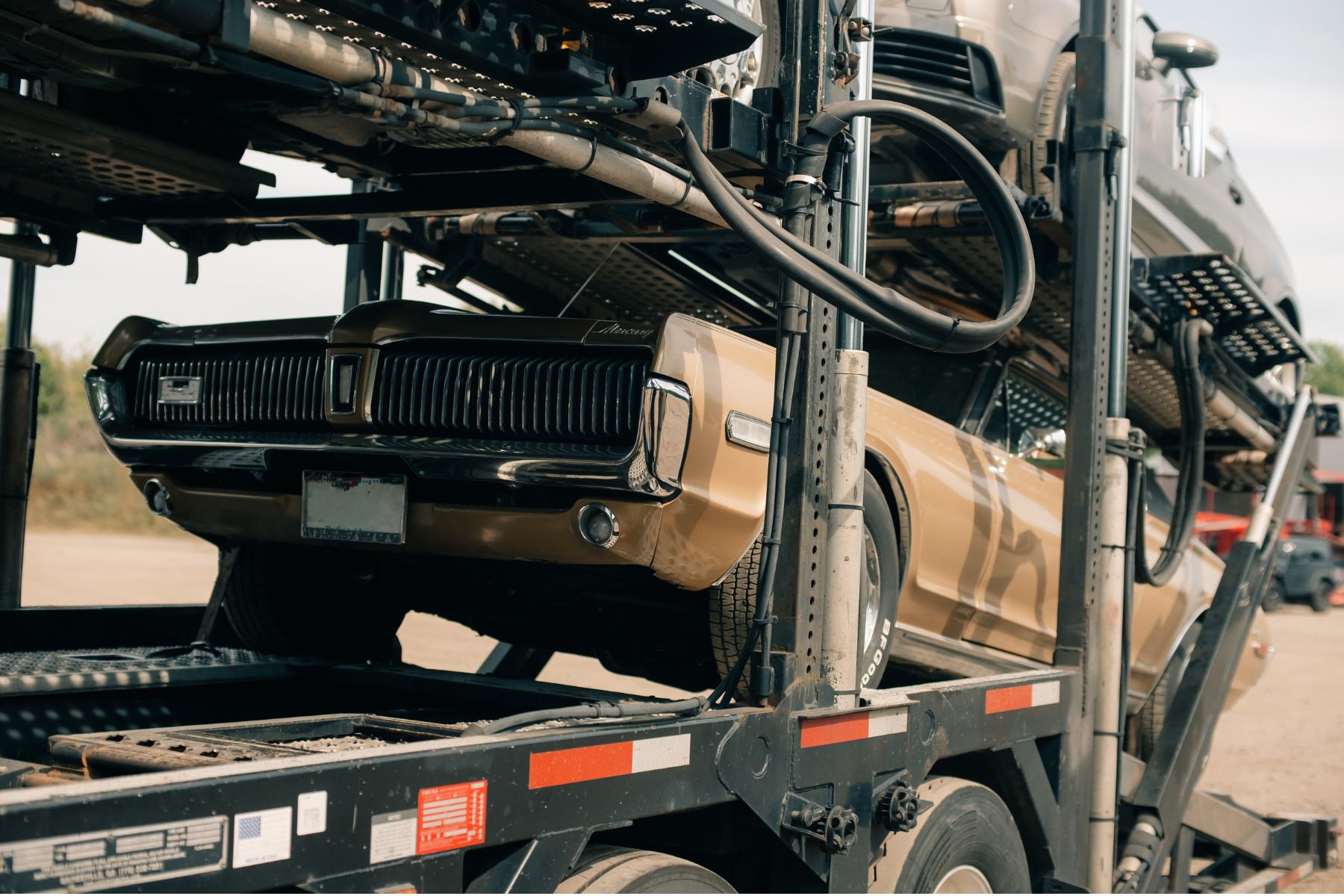
 One of the most common causes of damage during transport isn’t what happens on the road. It’s what happens during loading and unloading.
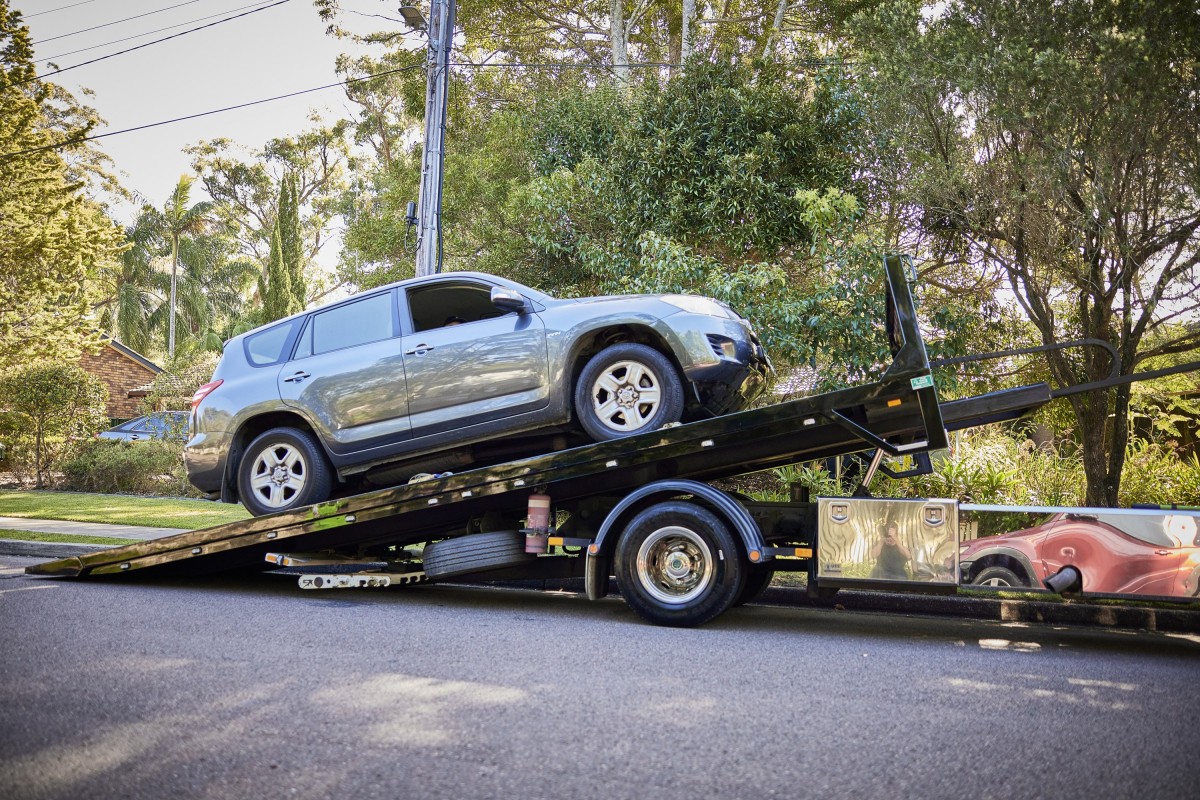
Many classic cars simply don’t have the same level of clearance as newer models. With a lower centre of gravity and less ground clearance, these vehicles are at a higher risk of bumps and scrapes to the front bumper or undercarriage if loaded onto a standard car carrier or via a standard ramp.
The equipment your carrier should use
When you’re vetting a carrier, don’t just ask if they can move your car; ask how they plan to get it onto the deck.
A specialist will be happy to talk shop about their equipment, which may include:
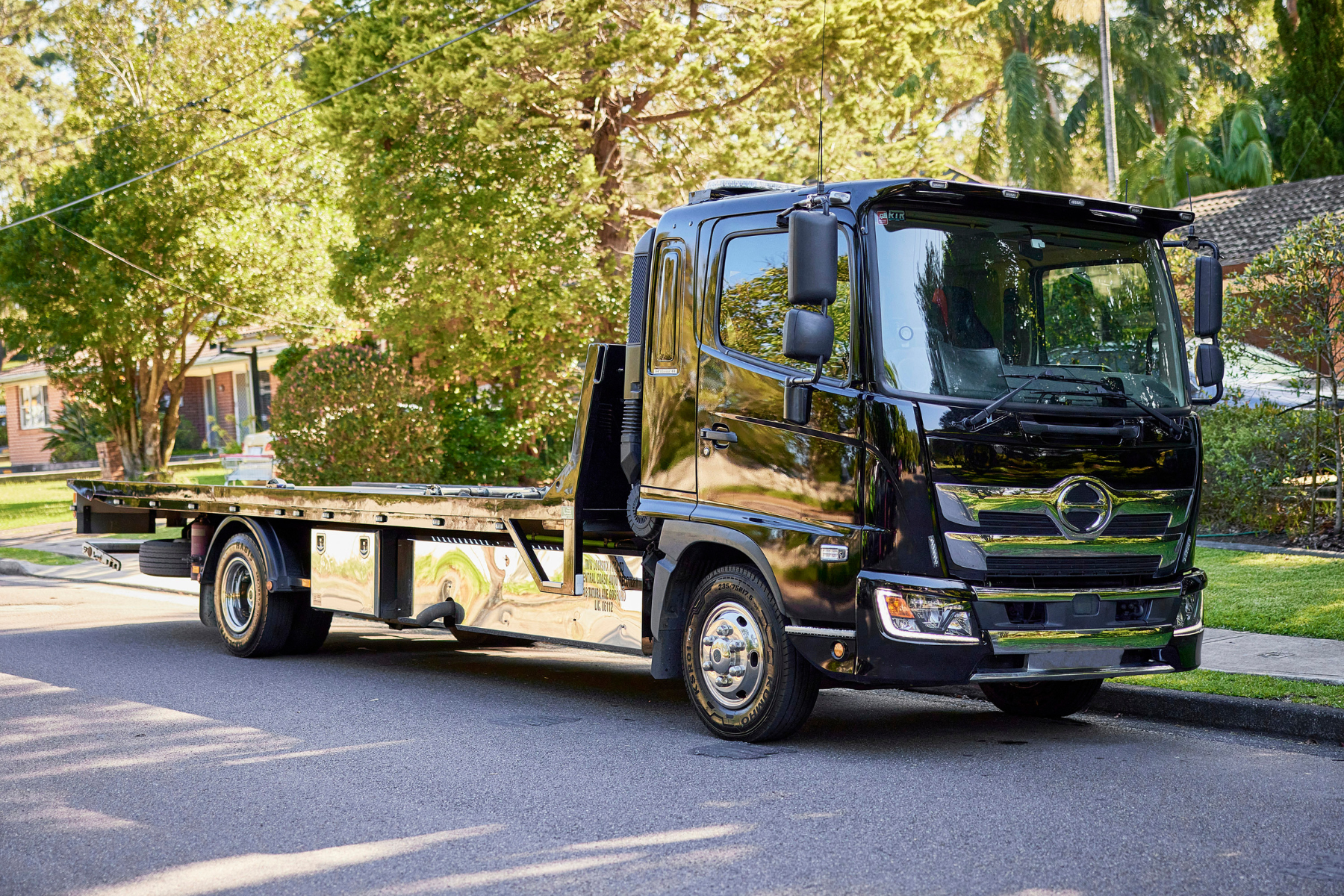
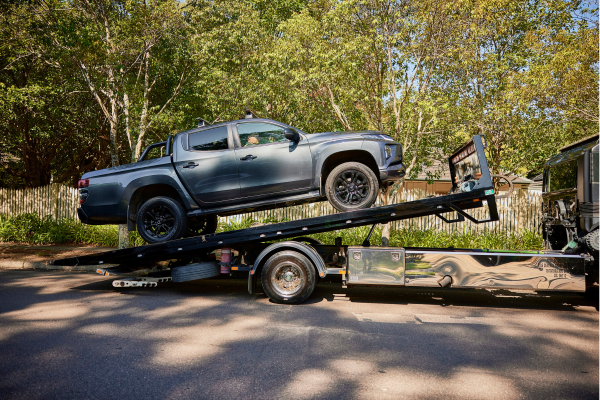
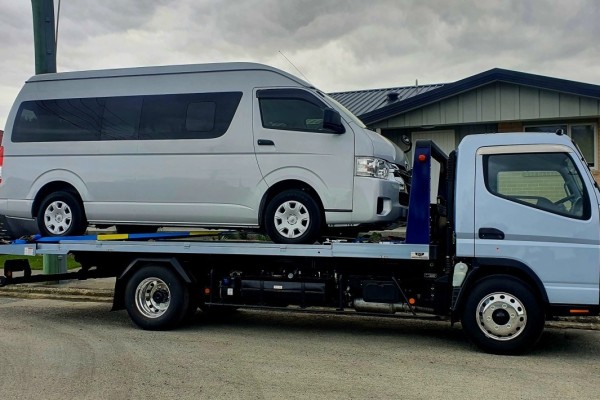
- Hydraulic tilt-trays: Specialist transporters use beds that can tilt to a near-flat angle, allowing the car to glide on without the chassis ever coming into contact with the ramp edge.
- Ramps and extension boards: Experienced classic carriers often carry specialised low-profile ramps or high-density foam blocks that further reduce the approach angle for very low or modified vehicles.
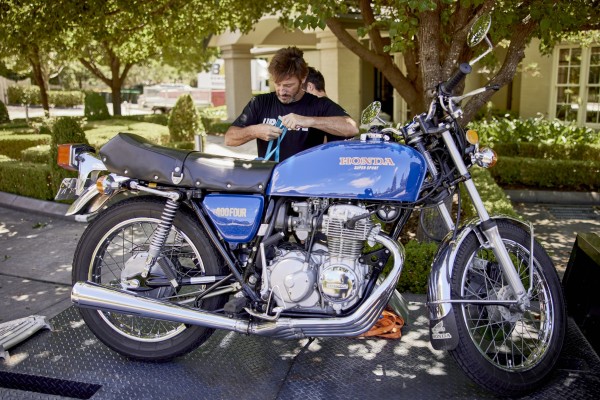
- Wheel ties: While standard cars are often secured by the chassis, this can put pressure and stress on older suspensions. Your carrier may instead use over-the-tyre soft straps. These allow the suspension to work naturally during the journey and avoid putting pressure on the frame.

Requesting a condition report and photos
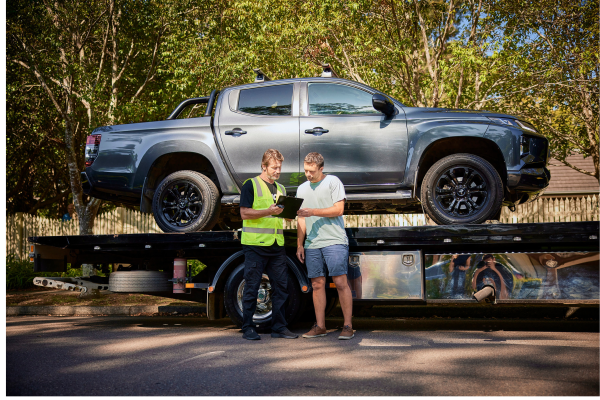
Since the goal is to keep your classic car scratch-free during transportation, the condition report will be your most important piece of paperwork.
Often called a ‘bill of lading’, this document acts as a record of the state of your car before it leaves your hands.
Any professional classic car transporter will ask you for a condition report. To make sure this report is as accurate as possible, take the following steps before submitting it to your provider.
Natural lighting photos
When it comes to taking photos of your vehicle, timing is everything. And so is lighting. Make sure you:
- Take photos in natural lighting: This will make it easy to see the paintwork. It’s always a good idea to take a few photos of each panel at different angles.
- Take photos before the carrier arrives: There’s no use in taking photos a week before your provider is due to pick up your vehicle. Aim to take photos before or on the day your car is due to be picked up.
Detailing before transport
A clean car is important for an accurate inspection. Removing any road dirt, grease, or grime can make it easier to see any damage and will give you better photos.
By presenting a clean vehicle, both you and the carrier can sign off on the condition report with total confidence.
Interior checks
For many classics, the delicate interior of your car is just as important to preserve as the exterior paint. Document the condition of your leather, dashboard, and footwells.
Experience with transporting classic cars
 Not all car carriers are created equal. When it comes to transporting a classic car, you need someone who has done it before. You may need a provider that knows how to transport vehicles with low clearance, delicate or aged parts, or has options for protecting your car while on the road.
To make sure your vehicle is in safe hands, we recommend asking your carrier about the following:
- A proven track record: Ask the transporter about their experience with similarly aged cars or similar models. A specialist should be able to discuss the loading and unloading of older cars and how they’ll keep your paintwork protected.
- Specialised equipment: Beyond the ramps, ask about their restraint systems. A professional classic carrier will often make sure there is no metal-on-paint contact that could lead to scratches or structural stress.
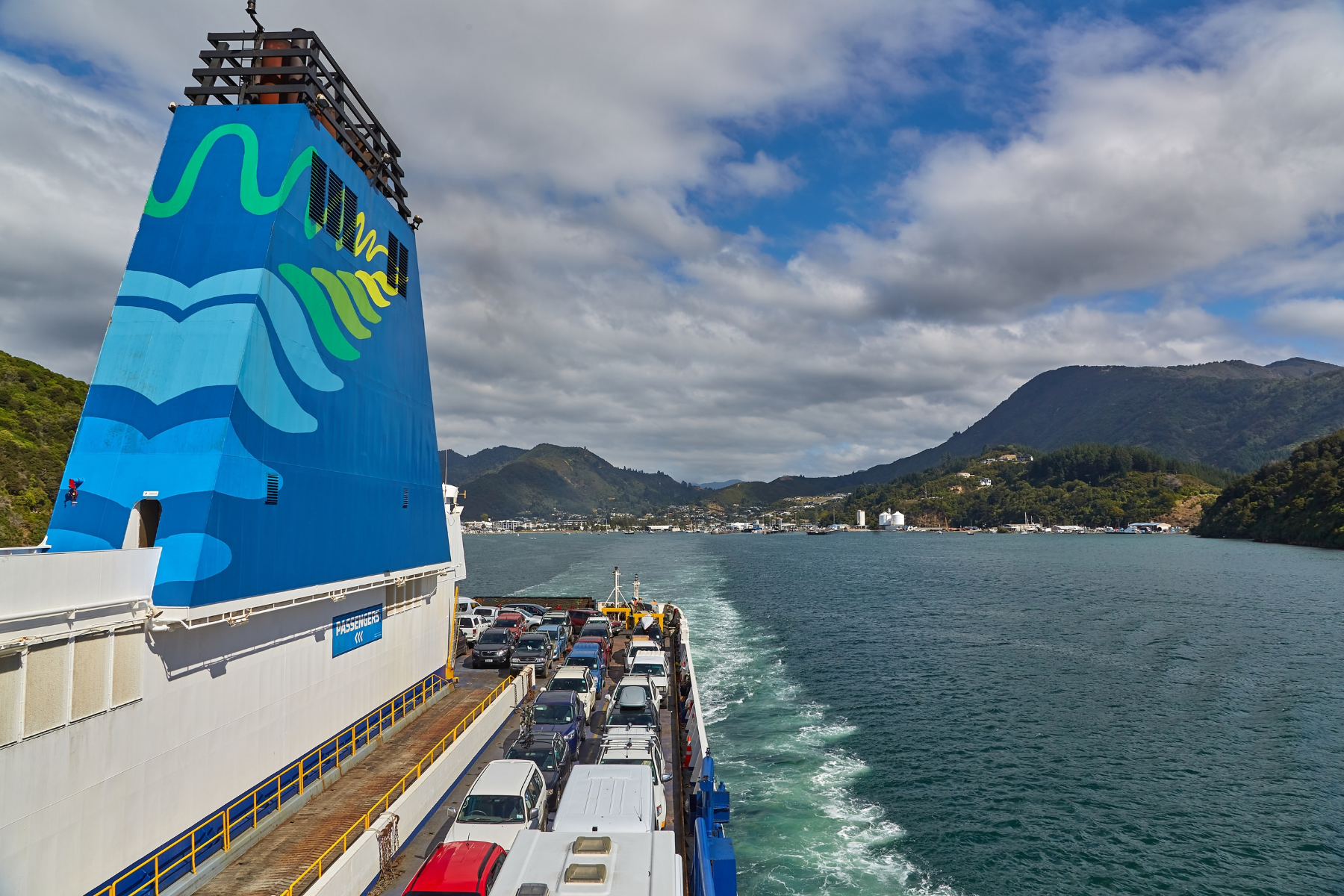
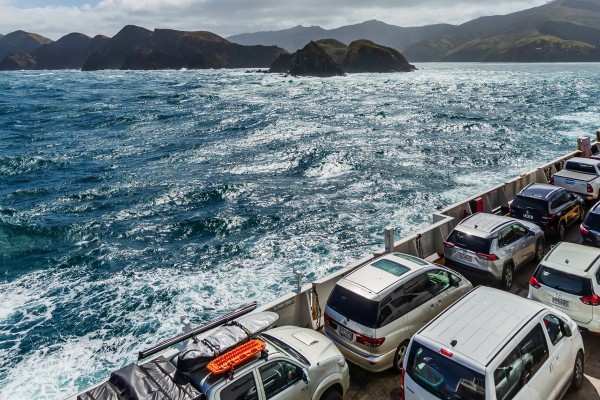
- Ferry crossing expertise: If your car is travelling between the North and South Islands, ask how they handle the Cook Strait ferry. Experienced carriers understand the importance of securing vehicles and protecting them from salt-air exposure.
- Enclosed vs. open transport: While open transport is common, if your car is being transported further afield, you might prefer a closed transport option. This can offer protection from unpredictable weather, road debris, and stone chips during the journey.

Clarity over insurance
Your classic car is likely worth a pretty penny. So, it’s important when choosing a provider that you have an honest conversation about insurance.
A true classic car transporter shouldn’t just give you a price; they should proactively discuss how your vehicle is protected while in their care.
If a provider avoids the insurance talk or gives vague answers, it’s a red flag.
To make sure your vehicle is actually covered, talk to them about:
Default liability
In New Zealand, the default legal liability for carriers is capped at just $2,000 per unit (the car). For many classic cars, this doesn’t cover much. Ask whether your transporter offers insurance that covers more than just the Carrier’s Risk and whether it’s included in the price. If not, you may need to take out insurance for the journey.
Who is at risk for damage?
Be wary of contracts stated as ‘Owner’s Risk’. This means the carrier is not liable for damage unless they cause it intentionally. Choosing a ‘Declared Value Risk’ contract is the professional standard for classic cars. This allows you to specify the car’s actual worth within the contract itself.
Maritime coverage

If your car is crossing the Cook Strait, it enters the realm of maritime law. Ask your carrier whether their insurance covers the journey or if your private policy needs to cover this. Generally, your comprehensive car insurance should cover this, so it’s a good idea to have a private policy for such a vehicle.
Find out more about what is covered (and what isn't) in our complete guide to vehicle in transit insurance.
How to prepare your classic vehicle for transport
Even though your car is being carried rather than driven, it still needs to be ready for the journey. Before your transporter arrives, run through this essential checklist:
- Check the mechanical basics: If your classic car has been in storage for a while, check that your battery works and that your tyres are inflated properly – this helps with stability and can prevent your vehicle from shifting as much while on deck.
- Do a fluid check: Inspect your vehicle for any leaks. A dripping oil pan or radiator can be a hazard on a car trailer. Check that all caps for oil, coolant, and brake fluid are on tight.
- Remove or secure any ‘extras’: Remove any personal belongings from the interior and boot. Not only do these add weight, but they can shift and cause internal damage while your car is on the road.
Looking for a classic car transport provider you can trust?

Give your classic car the care it deserves with Wise Move. Book reliable classic car transport across New Zealand, with professional handling from pickup to delivery.
Whether you’re moving across the country or taking your pride and joy to a classic car show, make the journey easier with transport tailored to your vehicle and schedule.




 One of the most common causes of damage during transport isn’t what happens on the road. It’s what happens during loading and unloading.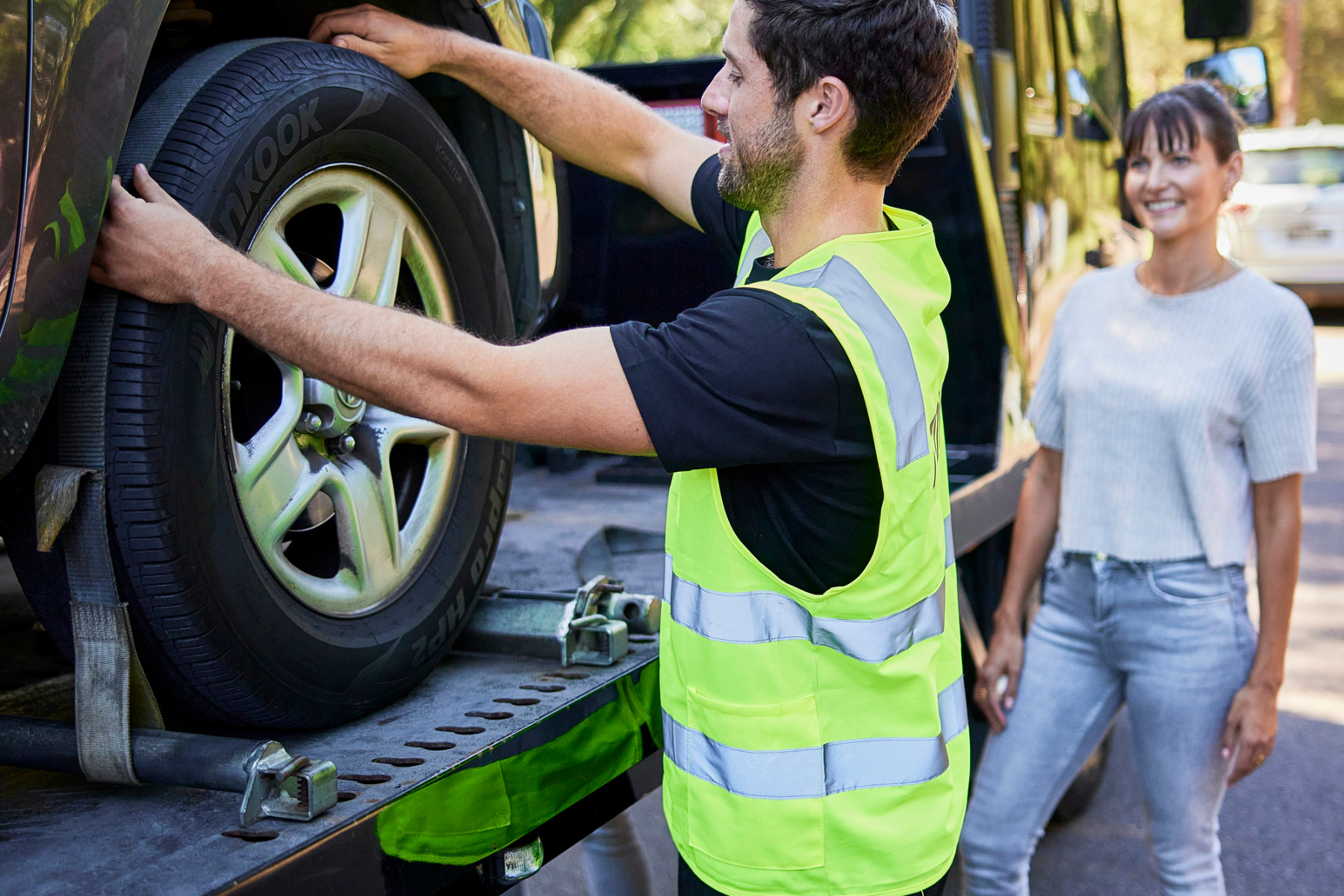
 Not all car carriers are created equal. When it comes to transporting a classic car, you need someone who has done it before. You may need a provider that knows how to transport vehicles with low clearance, delicate or aged parts, or has options for protecting your car while on the road.