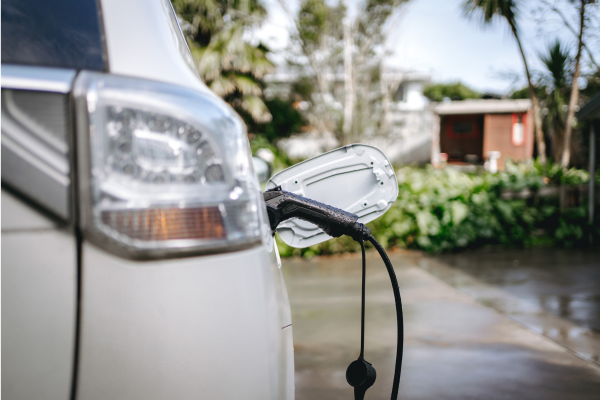
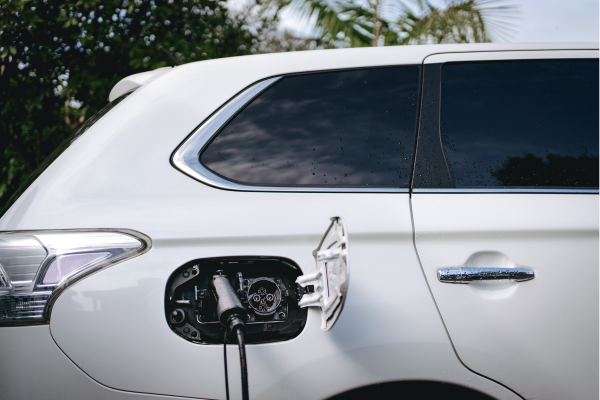
One of the best parts of owning an EV is skipping the petrol station and starting each morning with enough charge for the day. Around 80% of Kiwi EV owners do more than half of their charging at home, so getting the setup right can make everyday driving much easier.
Setting up home charging involves more than choosing between a three-pin cable and a wall-mounted unit. You’ll also need to check what your home’s electrical system can support, find a suitable installation spot and hire a registered electrician if you’re installing a fixed charger.
From comparing your charging options to getting the final compliance documents, this guide will take you through everything you need to know to set up an EV charger at home in New Zealand.
Choosing the right home EV charger
There are a range of options for charging your EV at home. The first question you need to ask yourself is, how fast do I want to be able to charge my vehicle.
1. Portable 3-pin cable (the back-up option)
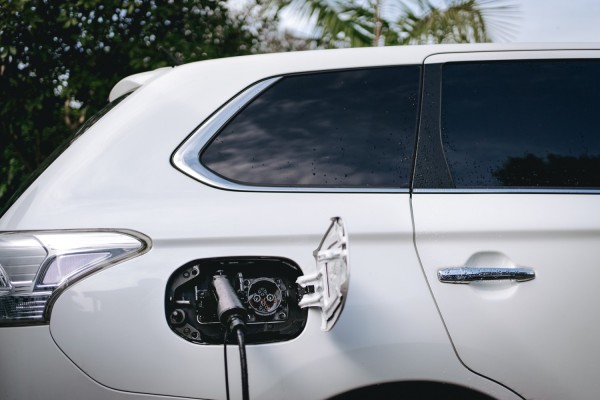
This is the cable that comes standard with your vehicle. You can plug your charging cable into any wall socket in your garage or outside your home. This is often referred to as a Level 1 charge.
Why choose a 3-pin cable charger
- No installation cost: 3-pin cables add about 10 km–15 km of range to your vehicle per hour. They’re definitely slower than Level 2 (wall-mounted chargers), but you also don’t need to shell out any extra money for a wall-mounted unit.
2. Standard wall-mounted charging unit (the affordable option)
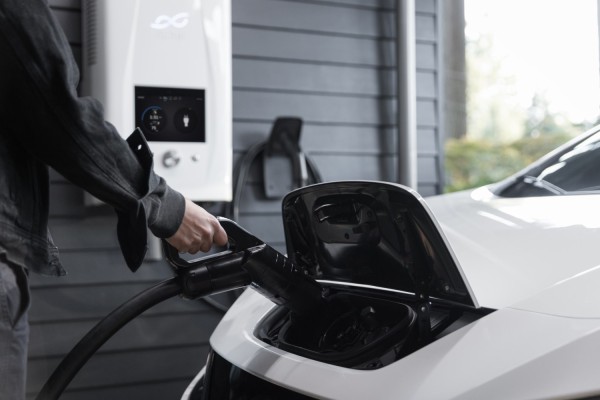
Wall-mounted models are faster than using your 3-pin plug and still make charging at home fast and convenient.
Why choose a standard wall charger
- Charge faster: Wall-mounted chargers are still faster than using your 3-pin plug. They take 6–10 hours for a full charge, and you can expect to add about 40 km to your range every hour.
- Convenience: While wall chargers don’t come with automation features, they still make charging at home more convenient due to the amount of time they save.
- Avoid electrical upgrades: It’s worth noting that not all homes will support smart wall-mounted chargers. Upgrading your electrical switchboard is a pretty big job, so sticking to the 3-pin cable or using a wall-mounted charger saves you that headache (even if it takes a bit longer to charge).
- Cost: Standard wall-mounted chargers are cheaper to buy and install than their fast or smart counterparts.
How much does a standard wall charger cost?
- NZ$500–NZ$800 for the wall charger
- NZ$500 for an electrician to install the device
3. Smart wall-mounted charging (the fastest option)
‘Smart’ wall-mounted chargers require an electrician to fix a smart charger to the wall of your garage. They’re safe, convenient, and the fastest way to charge your EV at home.
Why choose a smart wall charger
- Save money: You can set a smart charger to charge your EV at certain times. This is great for owners who are on a power plan that offers discounts for ‘off-peak’ energy usage.
- Charge faster: Depending on the type, smart wall-mounted chargers can be 3x faster than using the 3-pin plug that comes with your EV. A full charge can take 3–5 hours, and they can add 100 km of range for every charging hour.
- Convenience: Smart chargers come with an app that allows you to automate and customise your preferences. Take advantage of off-peak hours or programme the level and time of charge to suit your schedule.
- Clean energy: Smart chargers use less energy than 3-pin plugs to do the same job, faster. If you’re charging your vehicle off-peak (which is often through the day), you're more likely to be using renewable energy sources.
- Data: If you're a numbers person, smart charges make it easy to see how much power you’re using and when. This can help you avoid letting your battery get too low throughout the week or help you plan for charging out of the home.
- Charge safely: Smart chargers can balance your home’s energy load. When there’s a lot of electricity usage going on, they can power down to avoid overloading your home. Smart chargers are a great option for older homes.
Smart chargers can also help with battery maintenance, helping them last longer. Read our full EV maintenance guide for more.
How much does a smart wall charger cost?
- NZ$1 000–NZ$1 500 for the wall charger
- NZ$500–NZ$1 000 for an electrician or specialist to install the device
How to install a smart or standard EV wall charging station at home
 Once you’ve decided that a wall-mounted charger is the right option, the next step is getting it installed safely. In New Zealand, a fixed EV wall charger is not a DIY job. You’ll need a registered electrician to check your home, install the charger, and provide the correct paperwork once the work is complete.
1. Get an electrician to check your home wiring
Before buying a wall charger, ask a registered electrician or EV charger specialist to assess your home. This will determine whether your home can support a smart wall charger or a standard model. You may need to upgrade your switchboard before installing a smart charger.
Your electrician should check:
- Your switchboard and existing wiring
- The distance between the switchboard and your parking area
- Whether your home has enough available electrical capacity
- Whether a dedicated circuit is needed
- Whether your incoming mains or switchboard needs upgrading
- Whether load management would be useful
This is especially important for older New Zealand homes, homes with older switchboards, or households that already use a lot of electricity for heating, hot water, cooking or other appliances.
2. Choose a charger that’s compliant in New Zealand
V charging equipment should be designed to work with New Zealand’s 230 or 400 volt, 50 Hz supply, and your supplier should be able to provide the correct compliance documentation.
WorkSafe and the EECA have already done the hard work of compiling NZ-approved EV wall chargers for you. You can find a list of them on the EECA website, as well as the dimensions and other important details.
If you’re buying a charger online, be careful with imported models. A cheaper overseas unit may not meet New Zealand requirements, may not work properly with local electrical systems, and may create problems for your electrician, insurer or warranty.
3. Choose which wall to place your charger on
Your wall charger needs to be placed on either an internal wall, if you want to charge your car in the garage, or an external wall if you want to charge your car in the driveway.
When choosing the location, think about:
- Where you usually park.
- Which side of the car the charging port is on.
- Whether the cable can reach without being stretched.
- Whether the charger will be protected from knocks, rain and direct sun.
- How far the charger is from the switchboard.
- Whether the cable could become a trip hazard.
New Zealand chargers and plugs are designed for outdoor use in all weather, so there’s no problem if you want to charge your EV outside.
4. Measure the space around the charger and from the wall to the car
Before installing, check there’s enough space on either side of where the wall charger will go. This will prevent the wall unit from overheating.
You’ll need to install the charger 1.2 m–1.4 m above the ground and ensure there’s enough space from the charger to either side of your car.
For a smart charger, also check that the location has a reliable Wi-Fi or mobile signal if the unit needs connectivity for app controls, software updates or smart scheduling.
5. Hire a registered electrician to install your charger
In New Zealand, you must hire a registered electrician to install your EV charger. Ideally, choose someone who has experience with EV chargers, especially if you’re installing a smart charger, adding load management or upgrading your switchboard.
Your electrician should:
- Install the charger on an appropriate dedicated circuit
- Add the required electrical protection
- Check that the home’s supply won’t be overloaded
- Confirm that the charger is suitable for New Zealand
- Test the installation before handover
- Explain how to use the charger safely
For a standard wall charger, the installation may be fairly straightforward if your switchboard and parking location are suitable.
For a smart charger, your electrician may also need to connect the charger to Wi-Fi, configure load management, check app pairing or set up charging schedules. Make sure you understand which parts are included in the installation quote
WorkSafe also recommends you:
- Download the current NZ EV standards and give a copy to your electrician.
- Ask your electrician to install a ‘Residual Current Device’ (RCD). These turn off the power when a fault is detected and can prevent electrical fires.
6. Get a certificate of compliance
Once the installation is complete, your electrician should present you with a certificate of compliance. This usually includes a Certificate of Compliance and an Electrical Safety Certificate for fixed wiring work. This ensures that the installation meets New Zealand EV electrical safety standards.
7. Consider changing your power plan
With your EV wall charger up and working, you can expect your electricity bill to go up slightly. Don’t worry, you’ll still be saving significantly compared with petrol costs, especially if you charge at the right times.
If you have a smart wall charger, you can programme it to charge automatically during cheaper off-peak hours. If you have a standard wall charger, you may still be able to schedule charging through your EV’s own settings, but this is not always possible.
Depending on when you charge your vehicle, you might want to consider switching electricity companies or moving to a plan that offers cheaper off-peak rates. In New Zealand, these are often overnight or on weekends, although the exact hours depend on your provider and plan.
Note: A cheap overnight rate is only useful if your car is usually plugged in during that window. Most EV owners fall into a simple routine: plug in when you get home, charge during off-peak hours, and wake up with enough range for the day.
Buying an electric vehicle in New Zealand?
 Don’t let the thought of choosing and installing a home charger put you off getting an EV. New Zealand makes it easy to not only install your EV charger, but also buy an EV, with residents being spoilt for choice. From BYD to Tesla, BMW to Toyota, you’ll find dealerships located in most of our largest cities.
If you don’t live near a dealer, don’t worry. With Wise Move, you can buy an EV anywhere in the country, book a trusted car transport service, and get it delivered to your door.




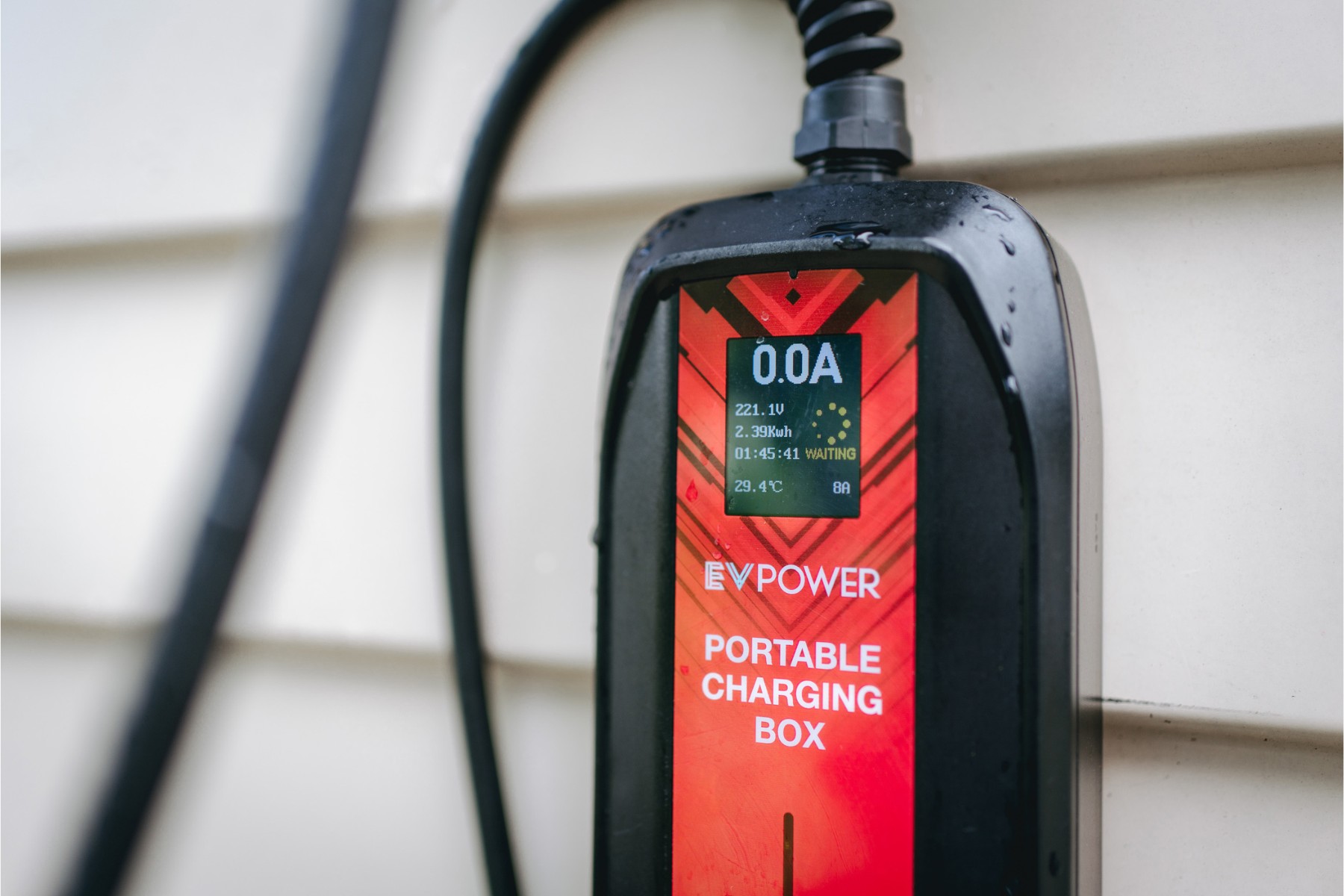
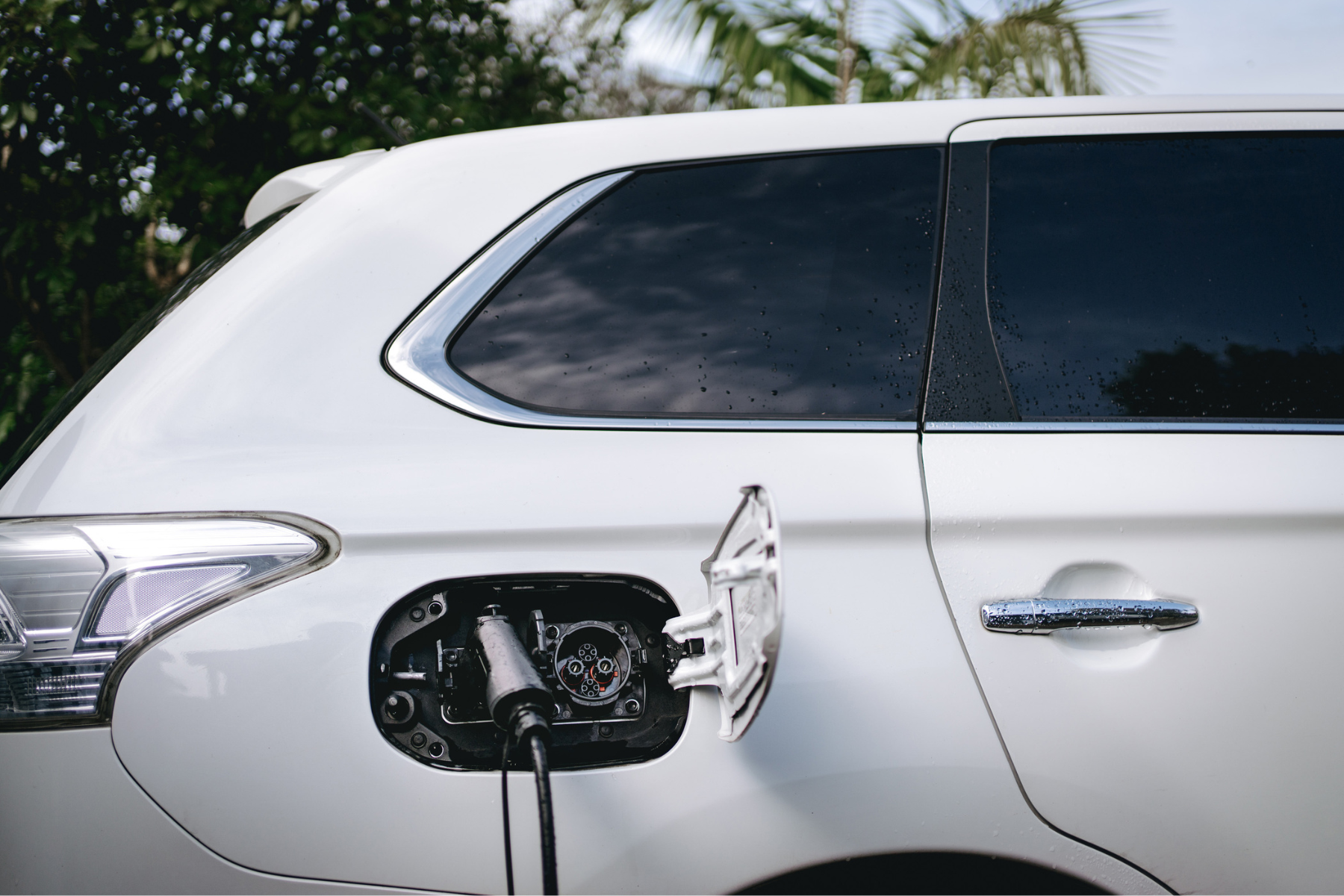 Once you’ve decided that a wall-mounted charger is the right option, the next step is getting it installed safely. In New Zealand, a fixed EV wall charger is not a DIY job. You’ll need a registered electrician to check your home, install the charger, and provide the correct paperwork once the work is complete.
 Don’t let the thought of choosing and installing a home charger put you off getting an EV. New Zealand makes it easy to not only install your EV charger, but also buy an EV, with residents being spoilt for choice. From BYD to Tesla, BMW to Toyota, you’ll find dealerships located in most of our largest cities.