Buying an EV? As well as being cheap to run (hello, zero fuel costs!), EVs are, on average, easier to maintain than your average petrol vehicle. But, low maintenance does not mean no maintenance at all.
Regular maintenance will keep your electric vehicle running smoothly and ensure you’re getting the most out of your battery.
Not sure where to start? Our guide to EV maintenance is here to help. Learn more about how to take care of your electric vehicle from the battery to the brakes and everything in between!
Are EVs really easier to maintain than traditional vehicles?
Without pistons, valves, spark plugs, and crankshafts, EVs simply have fewer parts to maintain and replace over time. The real difference in maintenance is in the mechanics:
- EVs have around 25 moving parts
- ICE (internal combustion engine) vehicles have around 2,000 moving parts.
But, even without a complex interior engine, EVs still have components that require maintenance. These include:
- The battery
- Tyres
- Brakes
- Suspensions
- Fluids
- Software updates
Whether you’re brand new to EV ownership or just want to get the most out of your electric vehicle, regular maintenance will keep your vehicle running efficiently over time.
How long do EV batteries last?
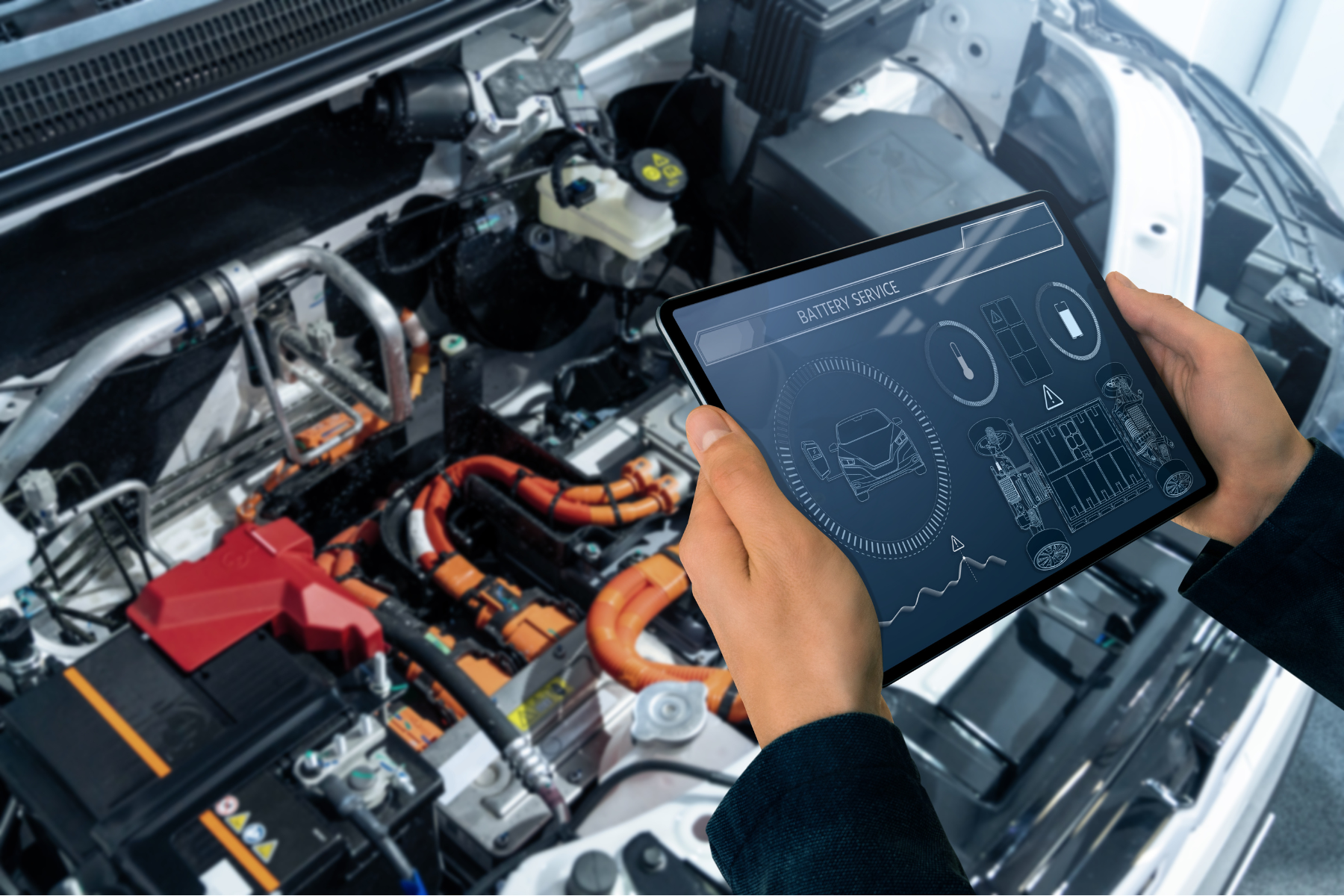 How long your EV battery will last depends on a few factors:
- The age of your EV
- The model
- Mileage
- Driving and charging habits.
The one universal thing is that batteries degrade over time, with most EV batteries degrading at a rate of 1.8% per year.
You can measure the ‘State of Health’ (SoH) of an EV’s battery by how much it has degraded:
- 90% – 100%: Excellent battery health
- 85% – 89%: Good battery health
- 80% – 84%: Acceptable health
- Below 80%: Poor health
Today, most new EVs have battery warranties that cover 7-8 years, but owners can expect their batteries to last 10-15 years. What’s more, if your SoH drops below 80%, many manufacturers will replace the battery if it falls within that 7-8 year window.
Buying a new EV? Check out our post on the best electric cars available in New Zealand.
When do I need to replace my EV battery?
You usually only need to replace your EV battery when its real-world range no longer suits your driving needs, when a battery health check shows serious degradation or faults, or when the cost of repairing individual battery issues no longer makes sense.
As a guide, book an EV battery health check if your SoH drops below 80%, your range falls sharply, your EV charges much more slowly than usual, or battery warning lights appear. A battery below 80% SoH is not automatically unusable, but it should affect how you use the car, what you pay for it second-hand, and whether it still suits your daily driving.
How to look after your EV battery
Whether you’re driving a popular used Japanese import like a Nissan Leaf, or a newer model like a Tesla Model 3 or BYD Atto 3, these basic habits will help maximise your range over time.
1. Avoid charging your EV to 100%
Charge your vehicle to 80% most of the time and save those full charges for when you’re heading out on longer intercity drives where maximising your range really matters.
2. Avoid running your battery very low
Letting your battery deplete to near zero before charging it can put stress on its cells. This is especially true for older used Nissan Leafs. Instead, charge your EV when the battery gets to around 20%.
3. Use fast charging sparingly
Frequent DC fast charging (more than 12% of charging sessions a year) increases the rate of your battery to 2.5% per year. While New Zealand’s public fast-charging network is great for highway road trips, it’s best to use it sparingly.
4. Keep software updated
Keeping on top of any software updates can help preserve battery life. This is because updates can improve charging behaviour, battery management, and thermal control, reducing unnecessary stress on the cells.
5. Store your EV at lower temperatures
Batteries degrade more quickly when they’re stored at temperatures above 30 degrees. While it’s rare for New Zealand to get this hot, consistently, it’s still something to keep in mind.
6. Mitigate for range loss
Range loss can happen in cold weather, hilly drives, and long-distance trips. This is because the battery is having to work harder to get up to temperature, accelerate in short bursts or work for longer, in the case of long drives. You can mitigate these things by:
- Warm up your EV while it’s plugged in: During frosty South Island mornings, pre-heat your car using grid power before you leave. This saves your battery from doing it on the road.
- Use regenerative braking: Tackling a hilly commute in Wellington or Dunedin? With regenerative braking, you can recover some of the energy used on the way up and feed it back into your battery on the way down.
- Planning ahead for long trips: Kiwis love a road trip, and the drive between our cities is often long, so don't just rely on your car's ideal range. Factor in a 10% – 20% buffer for winter chills or open-road wind resistance, and map out your charging stops accordingly.
Complete EV maintenance checklist
Want to keep your EV running efficiently? Don’t forget to check these parts of your vehicle regularly.
Tyre pressure
Check your tyre pressure once a month using the free air pressure machines at any New Zealand petrol station. You can find the recommended pressure amount for your vehicle on the lower inside of the driver's side door.
Tip: Never fill your tyres beyond the maximum pressure amount recommended for your vehicle.
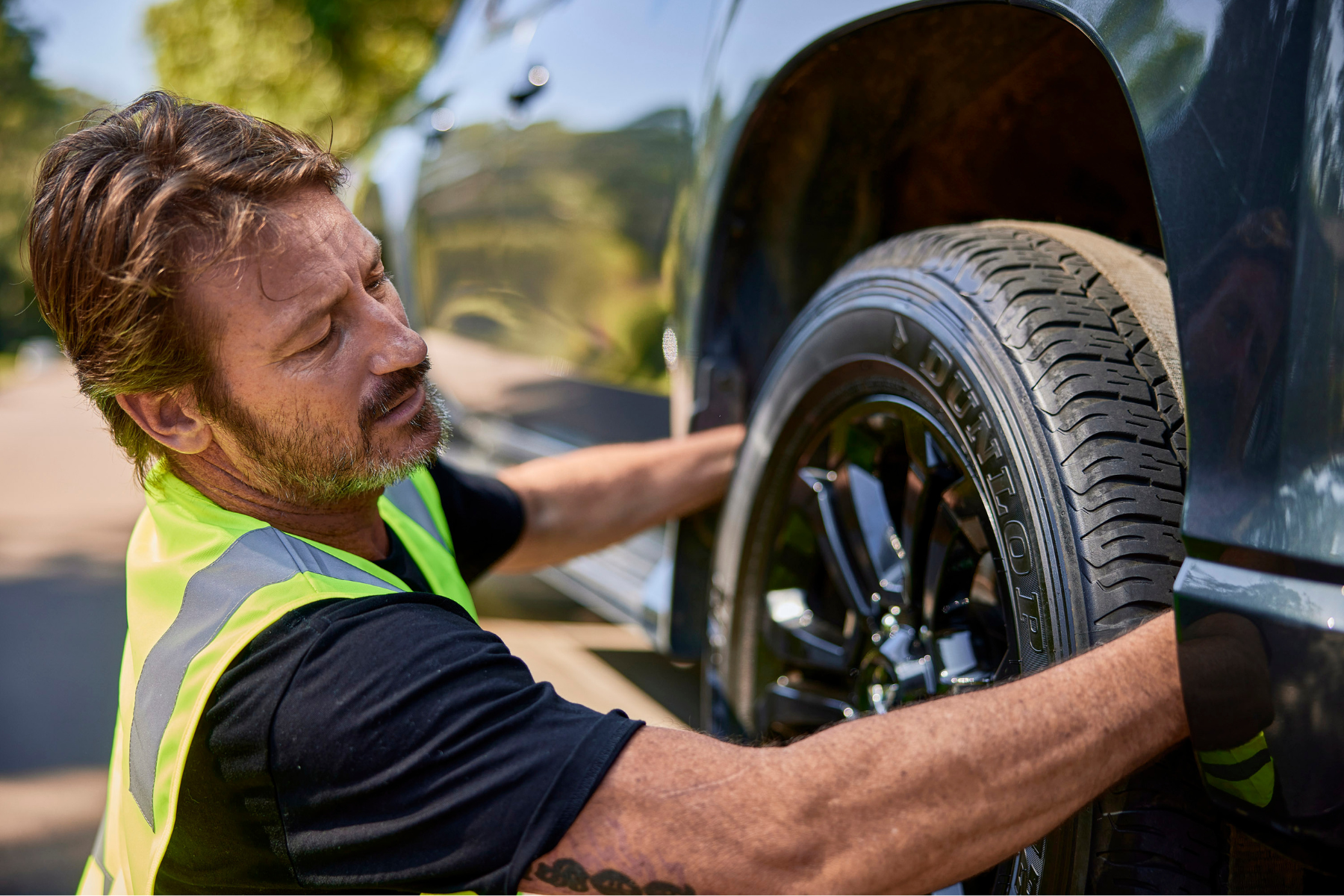 Tyre tread
The deeper the tread on your tyres, the more grip they have on the open road. Check your tyre tread every few months or before any long road trips. Replace any tyres when the tread gets to 2 mm.
Tip: In New Zealand, the minimum legal tyre tread depth is 1.5 mm, but experts like VTNZ say you should replace them before the tread gets this low.
Brakes and brake fluid
Brake fluid degenerates over time. No matter how much you’ve driven, you should get the fluid replaced every 2 – 4 years and the brake hardware cleaned and lubricated every 12 months or 20 000 km.
Tip: A warrant of fitness (the test to determine roadworthiness in New Zealand) won’t test your brake fluid or brake lubrication. The easiest way to keep up with this type of maintenance is with a yearly service.
Suspension
EV suspensions are under a lot more pressure than ICE vehicles due to their heavier weights. Keep your suspension in peak condition by rotating your tyres every 10 000 – 12 000 km and scheduling a wheel alignment every 2 – 3 years.
Cabin filter
Replacing your cabin air filter regularly helps keep your A/C working effectively and clean air pumping. Get your filters replaced every 12 – 24 months or every 20 000 – 30 000 km.
Coolant and thermal management
Some EVs need coolant to regulate the battery and operate efficiently. You may need to schedule a routine fluid inspection every 12 – 24 months and a full system flush every five to ten years.
Tip: Coolant use varies depending on the EV. For example, a used Nissan Leaf needs a fluid top-up during a standard service (and a change every 15 years or so), while a BYD Atto 3 requires a full coolant change every 4 years or 80 000 km to protect its warranty.
12V battery
You might be surprised that your battery-powered EV still comes with a stock-standard 12V battery. Many modern EVs (like the Tesla Model 3 and BYD Atto 3) will automatically top up the small 12V battery while parked – if your main battery is kept above 20%.
Wipers and washer fluid
Experts recommend checking your wipers for wear and tear on a weekly basis, but a more realistic approach is to do this while checking other parts of your vehicle, such as tyre pressure or during a regular service.
Tip: Top up your washer fluid as needed, but never fill up with water alone, as in cold temperatures, this can freeze.
Software updates
Like any modern tech, software updates are important to keep up with. Do these as soon as they appear on your vehicle’s dashboard.
Charging cable and plug
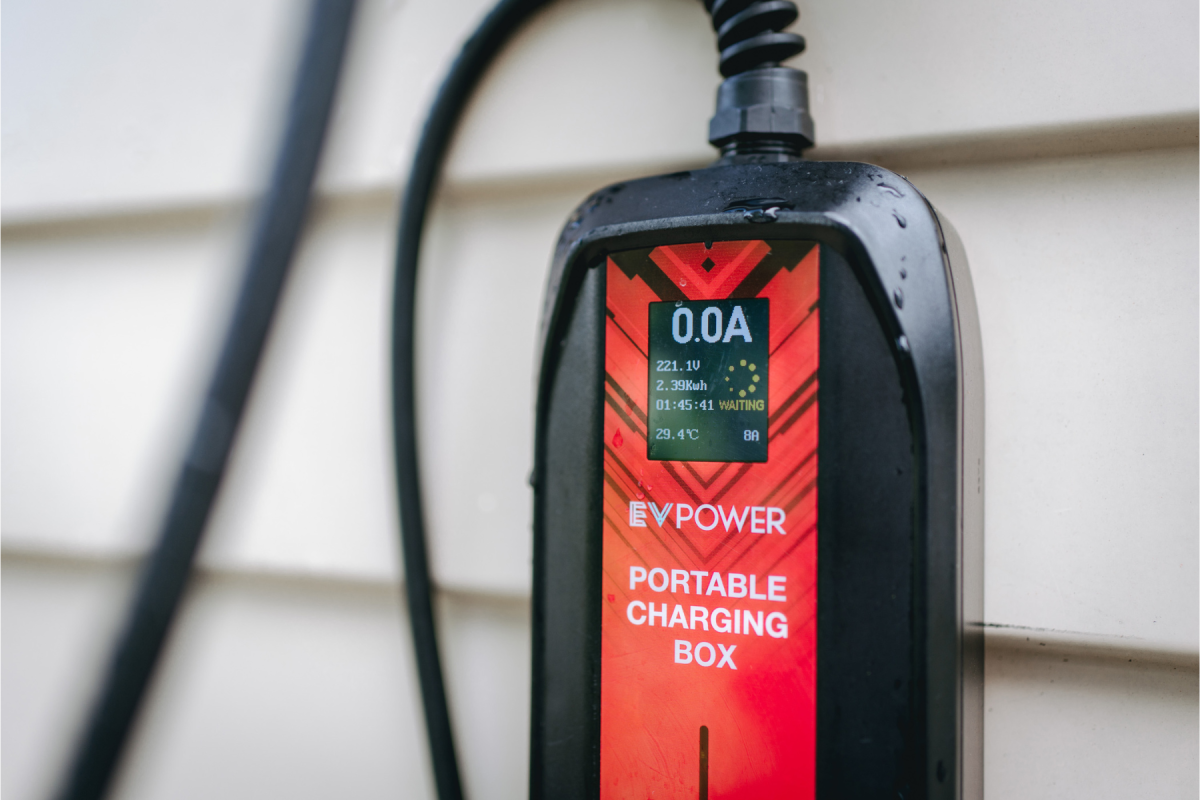
Never use a cable that has fraying wires or is visibly damaged. Coil your cable up loosely when it's not in use. Store it out of the way of other vehicles or machinery (like the lawnmower).
WoF checks
All vehicles in New Zealand need to pass a WoF (Warrant of Fitness) once a year before they can be driven on the road. However, a WoF doesn’t indicate that your vehicle is in great condition. It just means that it’s passed the minimum safety standards for driving on our roads.
Tip: A better way to ensure your vehicle is running optimally is to take it for a mechanical service each year. This type of check goes beyond minimum safety requirements but is often better in the long run for the ‘health’ of your vehicle.
What servicing does an EV need?
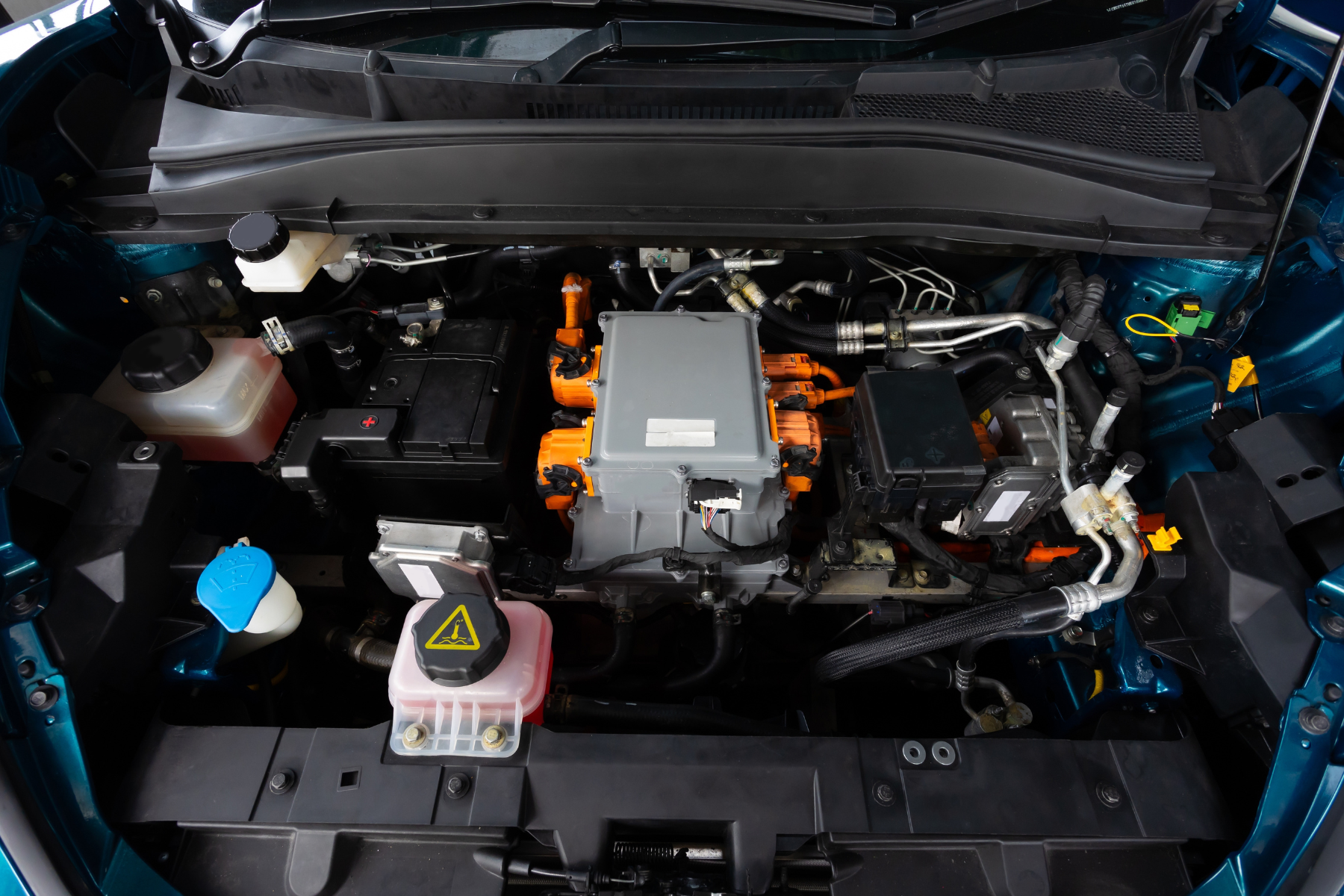 EVs require regular servicing (once a year) similar to regular cars. But, rather than an engine check, your mechanic will run diagnostics and check the health of your battery. Here’s what you can expect at an annual service:
- Diagnostic checks: A digital scan of your vehicle’s onboard computer. This checks for any defects within the electrical units to make sure all of the components are communicating correctly.
- Battery health check: Measures the State of Health of your battery and will check for cell capacity and track decreases over time.
- Brake inspection: Operates the same as any brake inspection on a regular combustion engine vehicle. Your brake pads, rotors, and fluid will all be checked, changed, or topped up.
- Tyre check: Checks the air pressure and tyre tread. As EVs are heavier than ICE vehicles, this is important to do on a regular basis. Most mechanics will recommend new tyres once the tread wears down to 2 mm.
- Software updates: Running any firmware updates will help optimise your vehicle’s range, safety features, and thermal management systems.
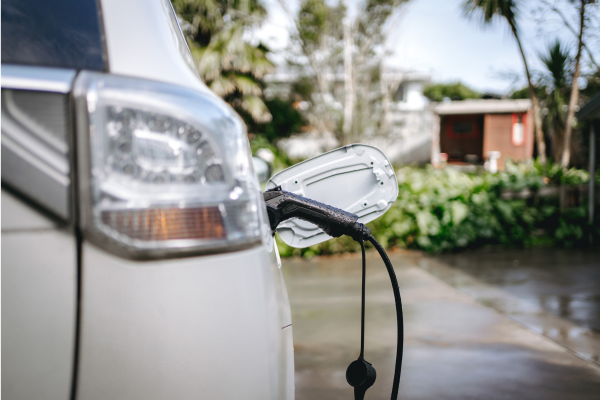
- Charging port inspection: Checking for wear and tear, dirt, or broken pins. Any type of damage can hamper charging speeds.
- 12V battery check: Testing the standard 12-volt battery is essential for powering your vehicle’s accessories, lights, and safety system before the main battery engages.
Tip: Your EV’s service needs will vary by make and model. We recommend reading your vehicle manual or consulting the manufacturer for an accurate maintenance schedule.
Buying a second-hand EV? What to check first
The price of a brand-new EV is getting more competitive year on year in New Zealand. If a brand-new EV is still out of reach, buying a second-hand model is still a great investment.
Just make sure you check the following features:
- Battery health report: Check the SoH. Ask the seller for a report if you’re unable to get this information via the vehicle’s dash features.
- Real-world range: As batteries degrade over time, the real-world range of a second-hand EV will be shorter than the year it was made. The most accurate way to do this is with an OBD2 diagnostic health check from a mechanic.
- Service history: Ask the seller for the service history. This will identify any past issues and whether or not they were ever fixed. If there is no history, you can safely assume the vehicle hasn’t been maintained beyond New Zealand’s minimum road standards. (i.e., the WoF).
- Charging cables: Check the charging cable for fraying, kinks, exposed wires, bent prongs, or dirt.
- Tyre condition: The easiest way to check tyre tread is with a 20 cent coin. The base of the number ‘20’ is about 2 mm from the edge. The tyre groove depth should be deeper than this.
- Whether any RUC is owing: Road user charges now apply to EVs in New Zealand. You can check that these have been paid by making sure the distance displayed on the windscreen is higher than the distance on the EV’s odometer.
- Pre-purchase inspection: The best way to ensure you’re not buying an electric lemon is with a pre-purchase inspection. You can do this at any VTNZ or by taking the vehicle to a mechanic who is familiar with EVs.
- Expiring WoF: Buying an EV with an expiring WoF is not necessarily a red flag (i.e., the seller may not want to pay for a 12-month WoF if it runs out next month). But you should still be careful. You can protect yourself by committing to the sale on the condition that it passes its upcoming WoF.
- Tip: Get the seller to arrange the WoF. If it passes, they can then add the NZ$90 fee onto the sale price. Alternatively, you can take it for a WoF. Once you’ve got the WoF, you can then complete the sale.
- Vehicle Registration: New Zealand cars need to be registered to get their official licence plates and entry into the NZTA system. If a car's registration has lapsed, you can't legally test-drive it, and it can be a massive, expensive headache to fix.
- Vehicle Licensing (The 'Rego'): While driving with an expired rego label on the windscreen is illegal, it's more of an administrative red flag than anything else. Still, you can’t legally test drive a car whose licensing has expired.
Check out our full guide to buying a second-hand EV in New Zealand here.
How much does it cost to maintain an EV in New Zealand?
One of the biggest perks of switching to an electric vehicle is low maintenance costs. While EVs definitely have fewer parts to maintain, don’t remove vehicle maintenance from your budget altogether.
- Tyres: Budget for new tyres every 3 – 5 years. A mid-range tyre will cost NZ$150 – NZ$250 per tyre.
- Regular servicing: Take your EV in for a service at least once per year. A local mechanic might set you back NZ$130 – NZ$200, while a dealership may cost NZ$200 – NZ$400.
- Warrant of Fitness (WoF): NZ$89 for a standard car at VTNZ.
- Brakes: Expect to pay NZ$150 – NZ$350 for new brake pads when they eventually wear down.
- Filters and wipers: A fresh set of wiper blades and a clean filter will cost about NZ$60 – NZ$120 total.
- 12V battery: Budget to replace the smaller auxiliary battery every 3 – 5 years. Costs are typically between NZ$150 and NZ$300, depending on your EV model.
- Road User Charges (RUC): For a full battery EV (BEV), this will cost you NZ$76 per 1 000 km, plus an NZTA admin fee.
Year-on-year budget:
| Expense |
What it covers |
Electric vehicle annual cost estimate |
Petrol vehicle annual cost estimate |
| Essentials requirements |
WoF + Rego |
NZ$336 (NZ$95 + NZ$241)
|
NZ$268 (NZ$95 + NZ$173) |
| Annual service |
Basic mechanical service |
NZ$200 – NZ$250 |
NZ$200 – NZ$250 |
| Cost of basic replacements |
Saving for future tyres, filters, and a 12V battery, etc |
NZ$250 |
NZ$250 – NZ$600 |
| Annual Road Tax (RUC) |
10 000 km of road charges |
NZ$760 |
NZ$0 |
| Fuel or charging |
Charging at home vs petrol |
NZ$320 |
NZ$2 362 |
| Total annual out-of-pocket |
|
NZ$1 658 – NZ$1 750 |
NZ$3 080 – NZ$3 480 |
Buying an electric vehicle in another city?
 In New Zealand, finding your ideal EV often means you need to look outside your region. Don’t let distance stand between you and the perfect second-hand Nissan Leaf in Auckland or a brand new Tesla Model 3 in Christchurch.
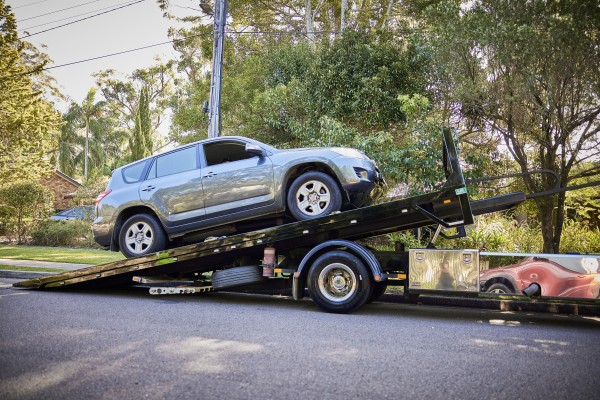
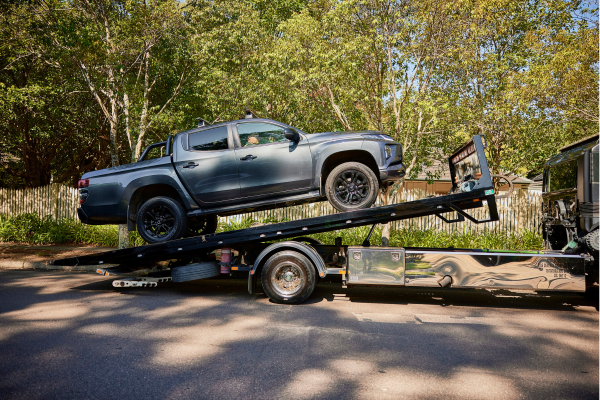
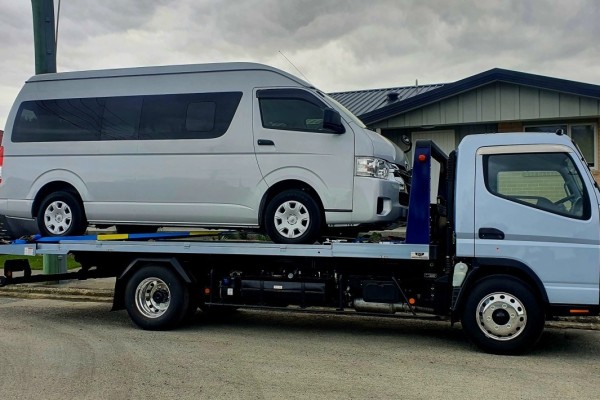
Booking a professional car transport service means no extra kilometres on the odometer and no burning through upfront RUC costs. That way, your new EV arrives ready for the drives you actually want to take, not already needing a charge, a rest, and a lie down.