No matter where you live in New Zealand, it’s almost guaranteed that people from around the world would love to visit. From Auckland to Kaitaia, Kaikōura to Christchurch, one of the greatest joys of living in Aotearoa is that you’re never far from stunning scenery and delicious kai.
Short-term rentals are a popular way to experience our country. Not only do they offer more freedom and flexibility than staying in a hotel, but they also give travellers the chance to live like a local. And if you are a local? Setting up a short-term rental is a fantastic way to welcome people from around the world — and make a little extra money while you’re at it.
While short-term rentals are popular in New Zealand, there’s more to it than simply listing a property or spare room online. From tax and council obligations to health and safety must-haves, our guide to setting up a short-term rental in New Zealand will walk you through each step.
1. Understand what counts as a short-term rental
Short-term rentals in New Zealand come in many forms. Maybe you have a holiday home you would like to rent out, a caravan in your backyard, a spare bedroom or a sleepout that would be perfect for guests to enjoy.
The IRD (New Zealand’s tax department) defines a short-term rental as accommodation that is rented out to guests for up to four consecutive weeks at a time.
The main difference between a short-term rental and a residential tenancy is that your guests don’t see your rental as their main home (ie, they live somewhere else, are on holiday or are temporarily staying).
2. Check local council rules and zoning
 Where short-term rentals get slightly more complicated in New Zealand is around local council rules and zoning. Where you live, and where your rental is located, will determine how often you can rent it out.
Auckland
If you host more than 28 nights in the rating year (1 July–30 June), you must complete a short-term accommodation declaration with the Auckland Council, and your property may be rated partly as a business.
Wellington
There is no specific licensing regime or fixed night limit written into the district plan.
Christchurch
-
Hosted visitor accommodation (you live on the property): Permitted in residential zones, but you must notify the council and keep records. Maximum 8 guests per stay generally applies.
-
Unhosted visitor accommodation (you don’t live on site): Typically permitted in residential zones for up to 60 nights/year without resource consent; beyond this, resource consent is required.
Queenstown
In many residential zones (e.g., Lower and Medium Density Suburban), you can rent the whole property as short-term visitor accommodation, but you will need resource consent. The number of nights influences the consent category:
-
Up to 90 nights/year: Controlled activity consent
-
91–180 nights/year: Restricted discretionary consent
-
181+ nights/year: Non-complying activity (harder to get approval)
Hosting guests in your own primary residence while you’re present is more relaxed; you can host guests under homestay standards and register with the local council without the same nightly caps.
Other towns and cities
The rules in other parts of the country aren’t so cut and dry. For the most part, you don’t have to worry about nightly caps, but short-term rentals do often have to comply with parking, guest numbers, and noise regulations. These are usually only relevant if you’re hosting large groups (more than 12 guests) on a regular basis, and it’s causing disruption to other people in the area.
Tip: The best way to know what rules you need to follow is to check with your local council.
Other rules and regulations
Keep in mind that if you own a holiday home or a separate home that you are using as a short-term rental, you still have to comply with all the usual local council rules and rates.
If you own an apartment or townhouse, there may also be body corp fees or rules around how often you can rent your home out. Check these before you list your home or room for rent.
3. Know your tax and legal obligations
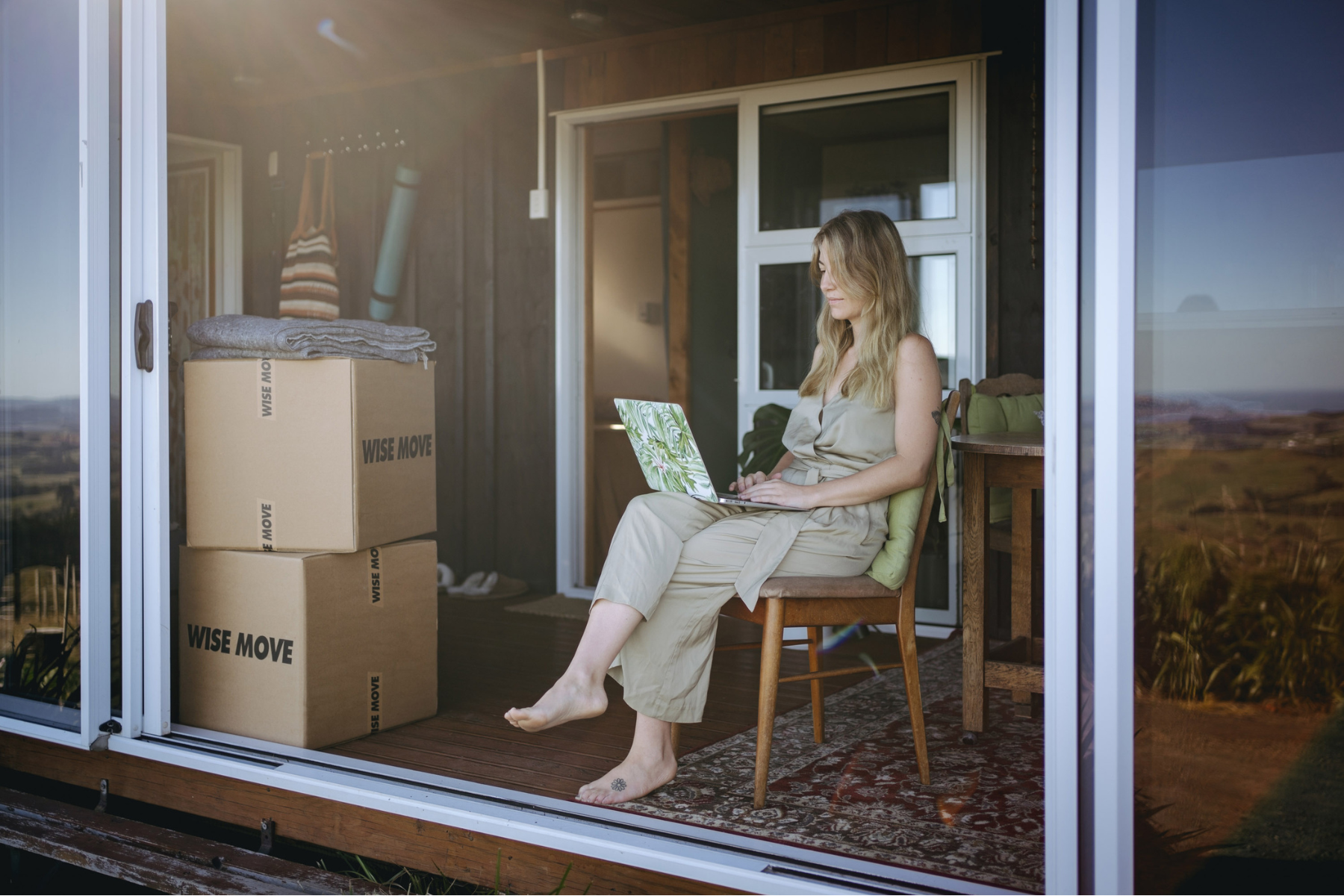
Setting up a short-term rental in New Zealand is a great way to make money. Just make sure you’re declaring your rental income to the IRD. Here’s what you should know:
Declare all rental income to IRD
Include income earned through Airbnb, Bookabach, or any other short-term rental platform, even if you’re only hosting occasionally or renting out part of your home.
Understand income tax and deductible expenses
You can usually claim expenses related to earning rental income, such as cleaning, insurance, maintenance, utilities, platform fees, and a portion of rates or mortgage interest. If the property is used personally as well, expenses must be fairly apportioned.
Check whether GST applies to you
Short-term accommodation has specific GST rules, including recent changes that may require platforms to collect and return GST on your behalf. You’ll need to register for GST if you have earned or will earn over NZ$60,000 in a 12-month period.
Be aware of bright-line implications
If you sell the property, the bright-line test may apply, meaning you could be taxed on any profit, particularly if the property has been used to earn income through short-term rentals.
Keep good records from day one
Track income, expenses, booking dates, and periods of personal use. Good records make tax returns easier and help protect you if the IRD ever asks questions.
Find out more about your IRD obligations here.
4. Consider insurance and risk protection
Before you rent out your room or home as a short-term option, make sure to check your insurance policy. Most New Zealand home insurance policies are designed for owner-occupied homes, not for hosting paying guests.
Landlord insurance
A better option than sticking with your standard insurance policy may be to take out landlord insurance. These policies can cover guest-related damage, loss of rental income after an insured event, and higher wear and tear risks.
Public liability insurance
It’s also worth considering public liability insurance. This is a type of commercial insurance that ensures that you're covered if a guest is injured while in your home.
Why ACC isn’t enough
In New Zealand, the ACC (Accident Compensation Corporation) covers accidental injuries. This means that if someone trips up the stairs at your property and sprains an ankle, their healthcare costs will be covered. ACC won’t prevent someone from seeking compensation if your home is unsafe and causes them harm.
5. Set up your property
With a lot of the paperwork now out of the way, it’s time to consider how you’ll set up your property.
Find the right platform
There are plenty of places to list your short-term rental in New Zealand. The most well-known platforms are:
-
Bookabach: One of New Zealand’s longest-running holiday rental platforms. Popular for batches, beach houses, and family-friendly stays. It has a strong local audience and is well-suited to hosts in traditional holiday destinations.
-
Airbnb: A global short-term rental platform with a wide international reach. It’s popular with both overseas visitors and domestic travellers, and offers flexible hosting options for spare rooms and entire homes.
-
Holiday Houses by TradeMe: A locally focused platform backed by one of New Zealand’s most trusted marketplaces. It attracts a largely domestic audience and can be a good option for reaching Kiwi holidaymakers.
-
BachCare: A New Zealand-based short-term rental management company that manages bookings, pricing, cleaning, and guest communication on behalf of owners. Perfect for hosts who want a hands-off approach.
Furnish your property
Most of the time, people prefer short-term accommodation because it’s a bit more homely than a hotel room. As a minimum, you should furnish each room with all the basics you would get at a hotel and then add a little more for a comfortable experience.
Here are a few extra touches to consider that will go a long way in making your guests feel at home:
-
If you must use old furniture, consider covering your couches and chairs with a nice throw (one that is made to go over the whole couch). This will make washing the furniture a lot easier.
-
Buy mid-quality linen, towels, and face cloths. These will last a lot longer than towels from the cheapest shops, and you’ll save money in the long term. Avoid anything white for towels and facecloths. Don’t forget about buying bath mats, hand towels, and tea towels.
-
The pantry should include cooking oil, salt, pepper, as well as the basics for making tea and coffee (a range of tea bags, good quality coffee, herbal tea, sugar, and milk in the fridge).
-
Stock up on toilet paper, bin bags, dish soap and basic cleaning products.
-
A coffee plunger or coffee machine is a lot better than just a kettle.
-
Separate body wash, hand wash and soap are always appreciated.
-
Things like blankets and board games add a nice touch to your home.
-
For kitchen basics, the Warehouse has surprisingly good silicone kitchenware (stirring spoons, spatulas, etc.) as well as pots and pans that are a lot more cost-effective than Briscoes.
-
Wi-Fi and internet are a must unless your home is purposefully ‘off grid.’
6. Follow health, safety, and compliance rules
Smoke alarms
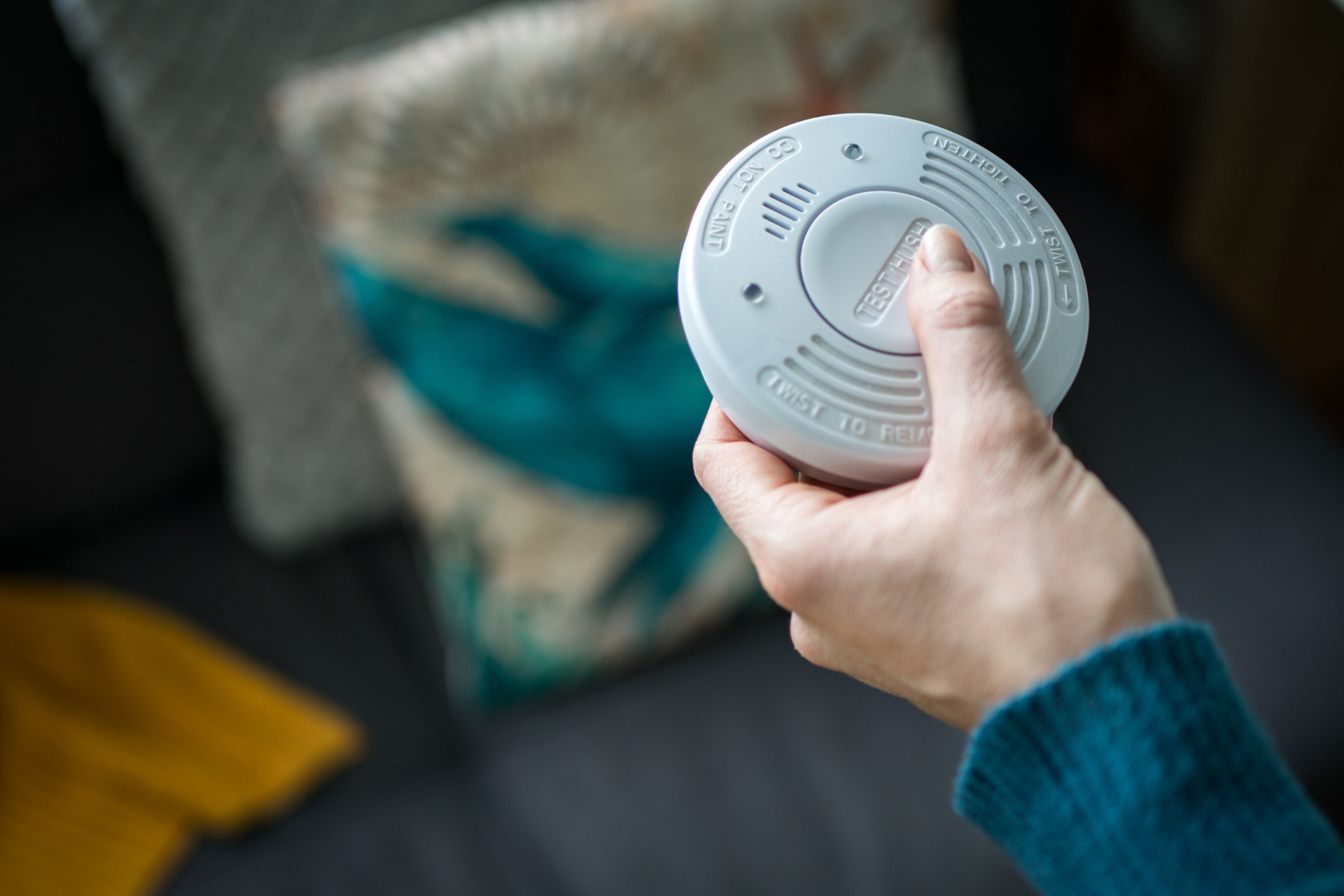
Working smoke alarms are a must in any short-term rental. For Airbnb, smoke alarms must be photoelectric with a minimum 8-year battery life. They also must be present on each level of the home and within 3 metres of each bedroom door.
Emergencies
It’s important to have clear house rules around emergency evacuations. You’ll need to have rules on how to evacuate the home, a safe place for guests to wait once out of the property, and instructions for calling fire, police, and ambulance clearly displayed, either on the wall or in the guest book.
Electrical safety checks
While there are no hard and fast rules around electrical safety and appliance checks, you should check all cords and electric appliances on a regular basis. Replace or remove anything with fraying or exposed wires.
Heating and ventilation
Short-term rentals do not need to comply with the heating, ventilation, and insulation rules set out in the Healthy Homes standards. Even so, it’s a good idea to get your house or rental property up to scratch. That way, you can rent it out long-term in the future.
7. Set up pricing and financial planning
Short-term rental income in New Zealand can vary a lot depending on whether it’s peak or off-season. Though the income in the busy times of year can seem promising, remember to factor in the quiet months of the year when anticipating your profit.
How to set your prices
Research similar listings in your area to understand typical nightly rates, and adjust pricing for peak periods like Christmas and summer, followed by long weekends, school holidays, and major local events.
Minimum stays
Minimum stays are a great idea if you are short on turnover time. Many larger homes have a two-night minimum stay. If you have a small apartment or are close to the airport, you may want to allow one-night stays.
Budgeting for cleaning and consumables
The cost of regular cleaning, maintenance, and basic supplies should be built into the cost of your listing. Keep a tally of all the things you buy each month so that you know your incomings and outgoings. These costs can quietly build up, so it’s important to always have an eye on them to understand the financial viability of your short-term rental.
Accounting for vacancy periods
Short-term rentals don’t earn income every night. You’ll need to factor in quieter periods, last-minute cancellations, and time needed for maintenance when budgeting. Don’t rely on full occupancy to cover your costs.
8. Create a compelling listing
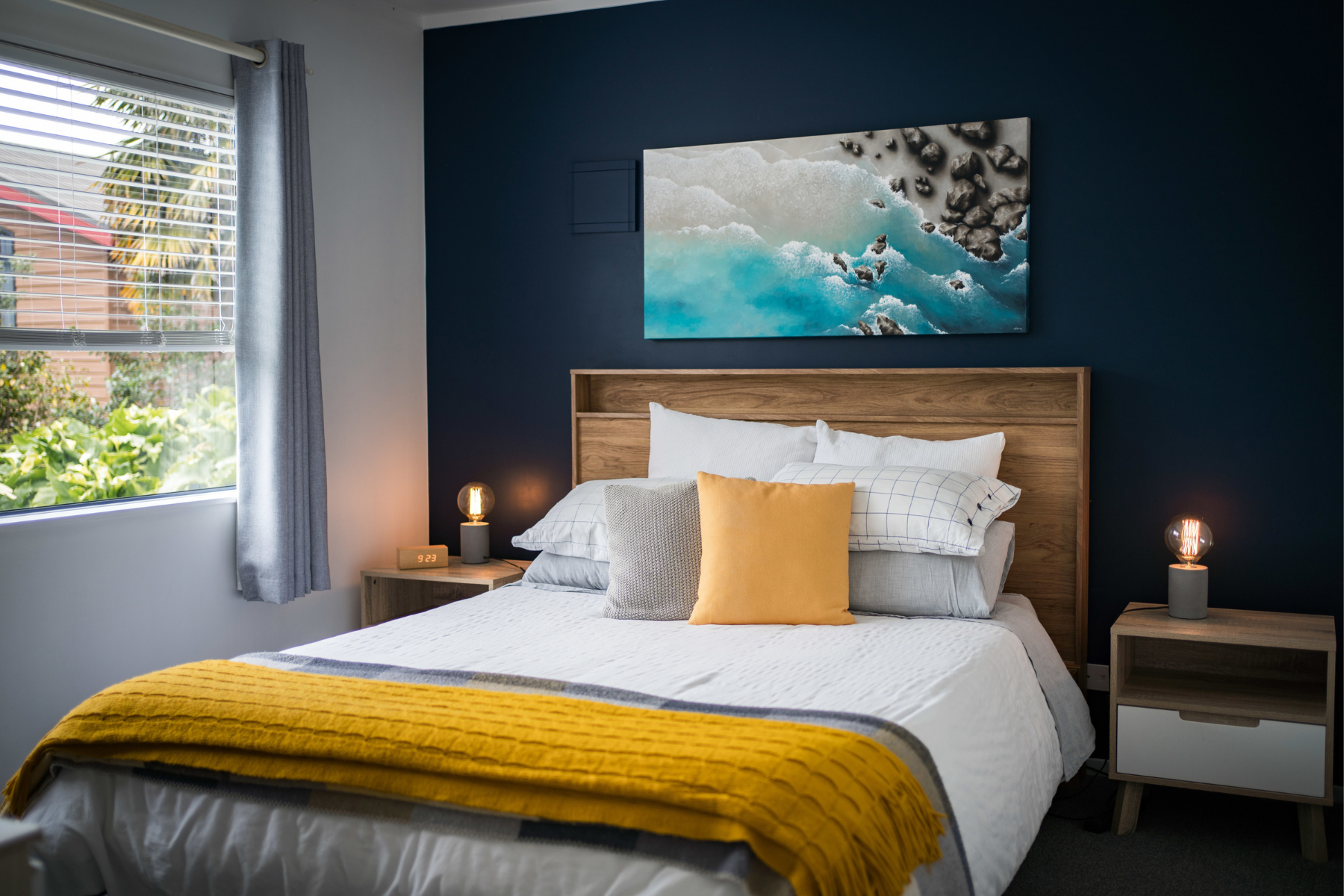 Write an honest, appealing description of your room, house and property so that people have a good idea of what to expect. Make sure you spend time on:
-
Professional photography: Clear, high-quality photos in good lighting that show off your home are a must. Invest in professional photos if you can.
-
Highlight the location, amenities, and local experiences: These will help people easily assess how easy it is to get from your short-term rental to bus stops, train stations or travel times to local amenities and popular tourist attractions.
-
Set clear expectations: This will help you manage expectations and avoid poor reviews. A bare-bones home or room is fine as long as people know that’s what they are getting.
9. Manage guests and operations
 Self-managing a rental property can be a big job, but it also means you get to keep more of the proceeds. You may want to consider using a property manager if you:
-
Don’t live near your short-term rental.
-
Are bringing in enough money to cover the cost.
-
Want to save administration time.
Other ways to make your short-term rental run smoothly are to have processes in place for the following systems:
-
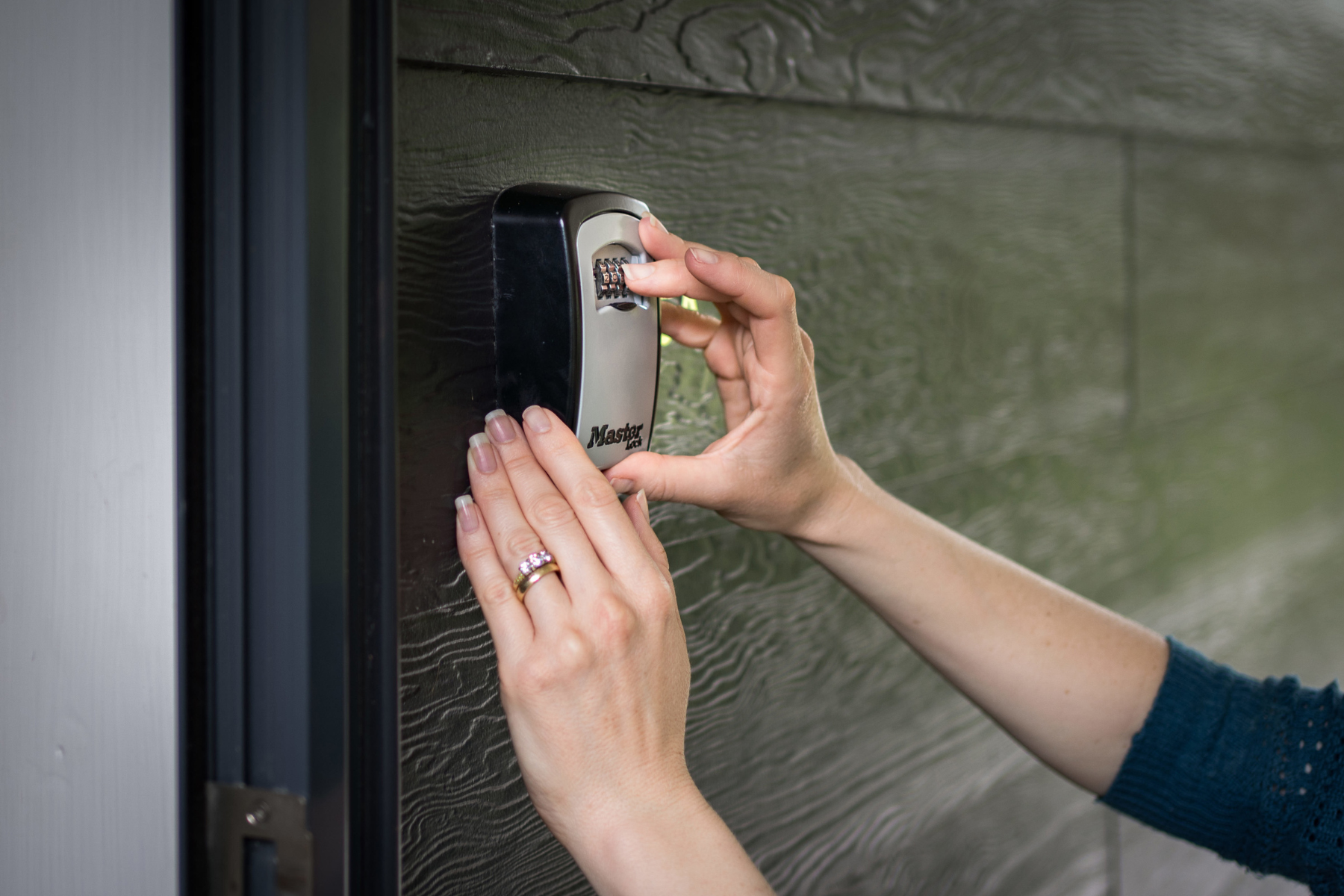
Check-in and check-out systems: For a more hands-off approach, use a lockbox or smart lock so that guests can check themselves in. Alternatively, checking guests in yourself adds a personal touch and allows you to talk them through any important rules or features in your home.
-
Cleaning and turnover processes: Having a cleaning company that you work with regularly makes it easy to manage last-minute bookings or same-day turnovers.
-
Communication and response time expectations: If you can’t respond to emails within 24 hours, you may want to consider outsourcing the management of your rental to someone else. Fast response times generally result in more bookings and better reviews.
10. Encourage reviews from guests
Positive reviews will make a huge difference to the long-term success of your rental. There are a few ways you can make it easy for guests to leave a review:
-
Place a QR code in the guestbook or near the Wi-Fi information, asking for a review.
-
Remind guests at checkout that you’d love it if they could leave a review.
-
Follow up with guests with a friendly email or text and a quick link to reviews.
-
Choose a platform that incorporates reviews into its booking system (Airbnb, for example).
Book the best moving team to help set up your short-term rental
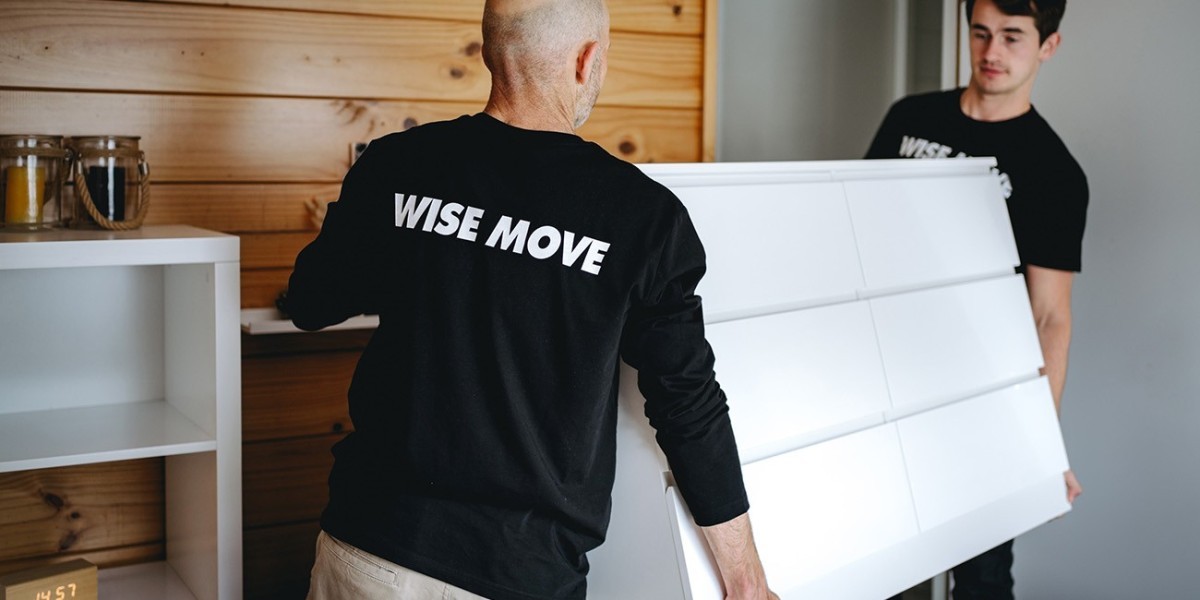
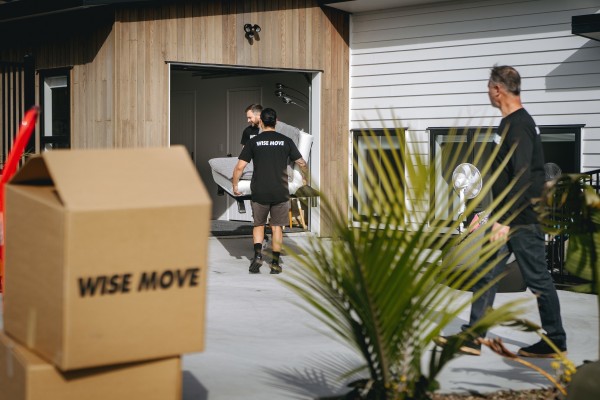
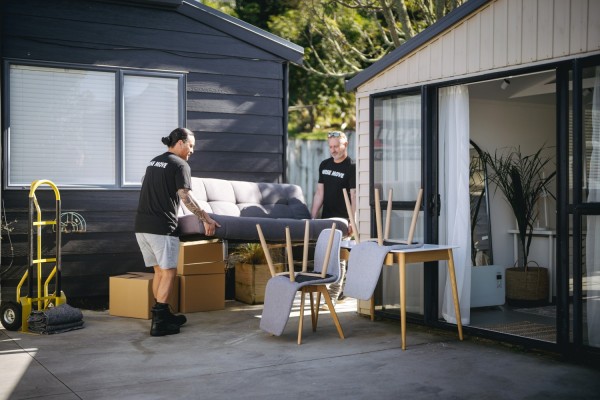
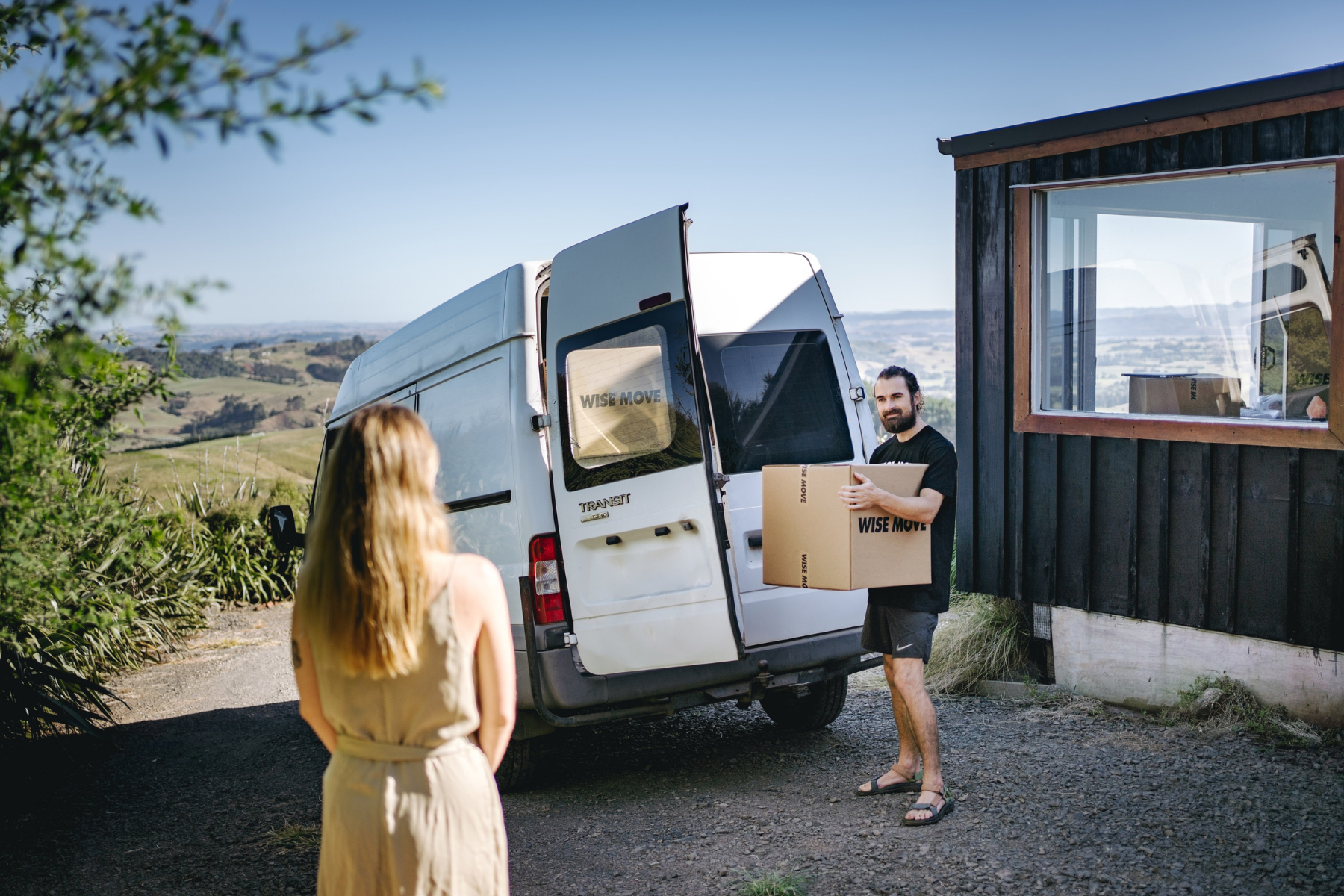 Getting your short-term rental ready doesn’t have to be hard work. Booking a trusted and affordable moving team with Wise Move makes it easy to get all your furnishings safely from A to B. Whether you’re buying furniture brand new or transporting items from your home to your batch, we can help.
Our trusted, highly rated moving teams across New Zealand make setting up your rental a breeze. While you focus on making your property shine, book the best movers to take care of the heavy lifting, transport, and delivery.




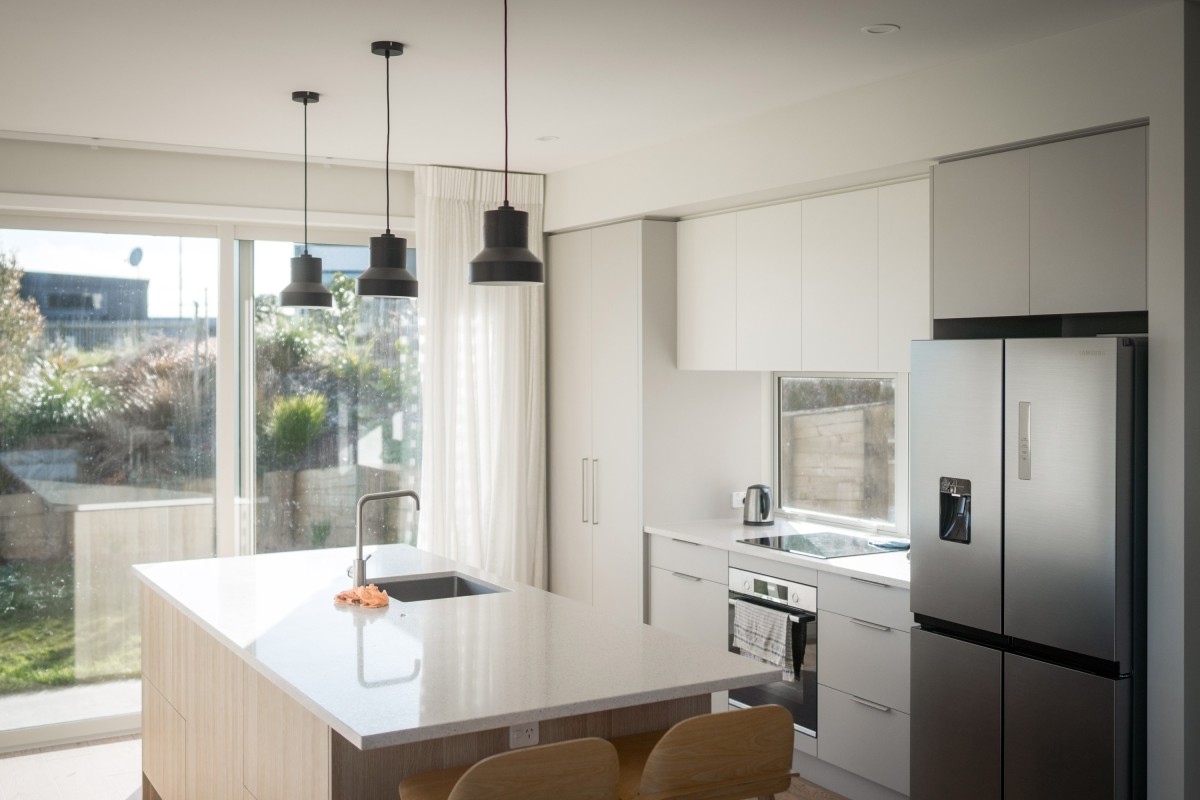
 Where short-term rentals get slightly more complicated in New Zealand is around local council rules and zoning. Where you live, and where your rental is located, will determine how often you can rent it out.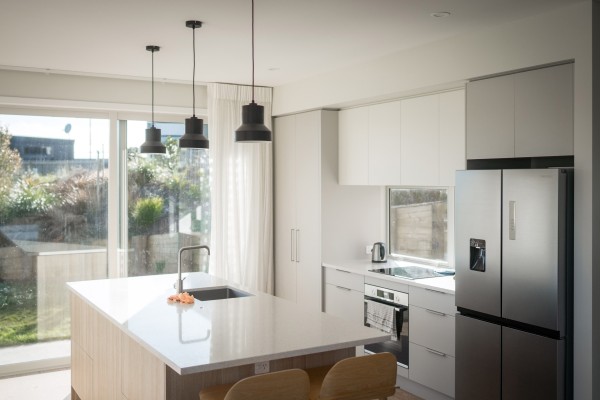





![What does it cost to build a new house in New Zealand? [2025]](https://cdn.wisemove.co.nz/image/blog/ffd5dbdc5eec7e9eb3ad049d6c5c7f4d.jpeg "What does it cost to build a new house in New Zealand? [2025]")