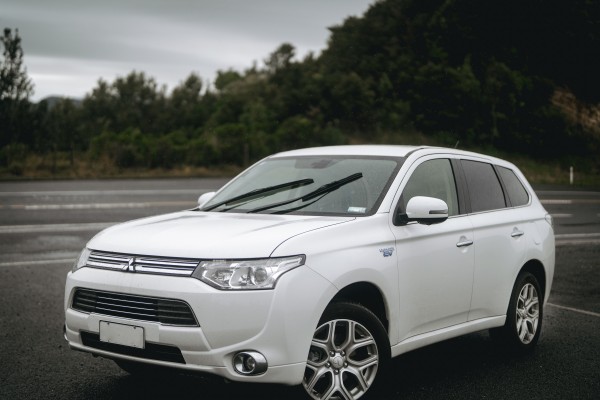
Hiring a professional to move your car across New Zealand can be a game-changer. It saves you a long drive, avoids adding thousands of unnecessary kilometres to the clock, and gets your vehicle where it needs to go without turning the journey into a multi-day, cross-country road trip.
Before you lock in your booking, though, there’s one important decision to make: should you choose door-to-door or depot-to-depot car transport? Both options have their advantages, but the right one will depend on your budget, timeline, location, and how much convenience you need.
In this guide, we break down everything you need to know to make the best car transport decision for you.
Why hire a professional transport provider in New Zealand?
We know that Kiwis love a road trip, but you might be surprised by how popular hiring a professional to move your car actually is. Tens of thousands of New Zealanders choose the service every year.
Whether you’ve bought a brand new car in Auckland but live in Ashburton, or need to get your classic car from Tauranga to Taupo, putting your pride and joy on the road isn’t always the right option. That’s where professional vehicle transport comes in.
While you save time (and kilometres), you also gain the peace of mind that your vehicle’s in good hands.
How does door-to-door delivery work?
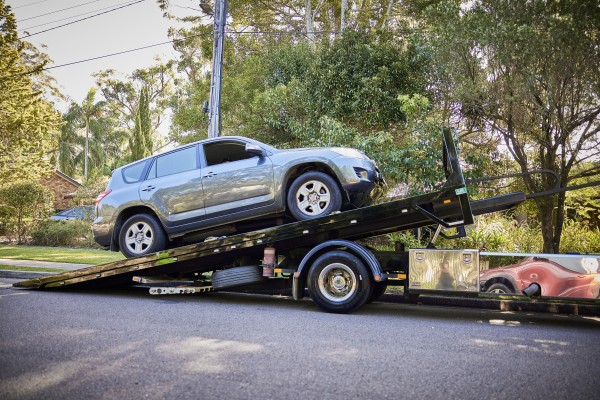
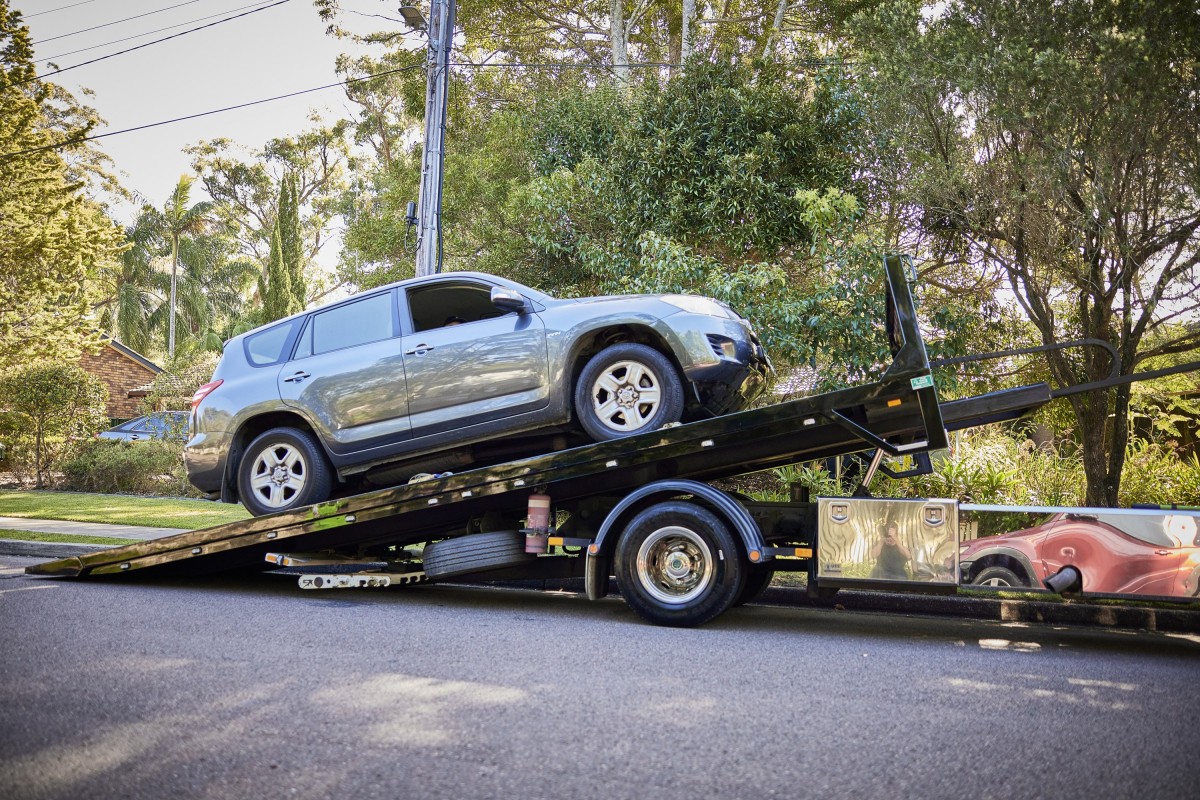
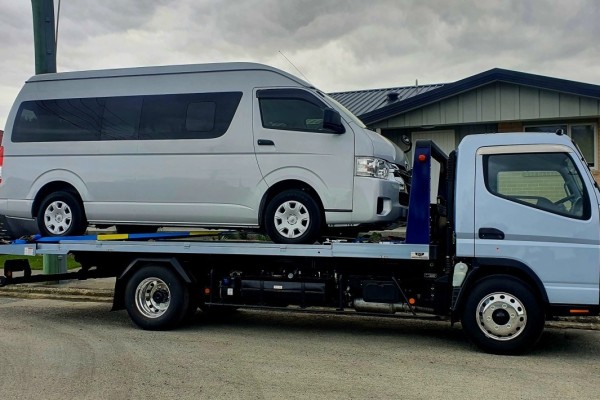
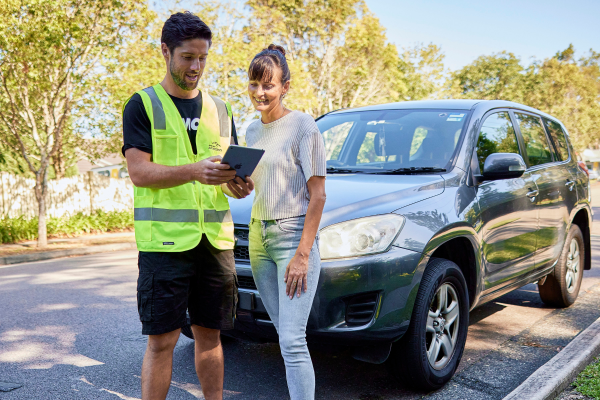
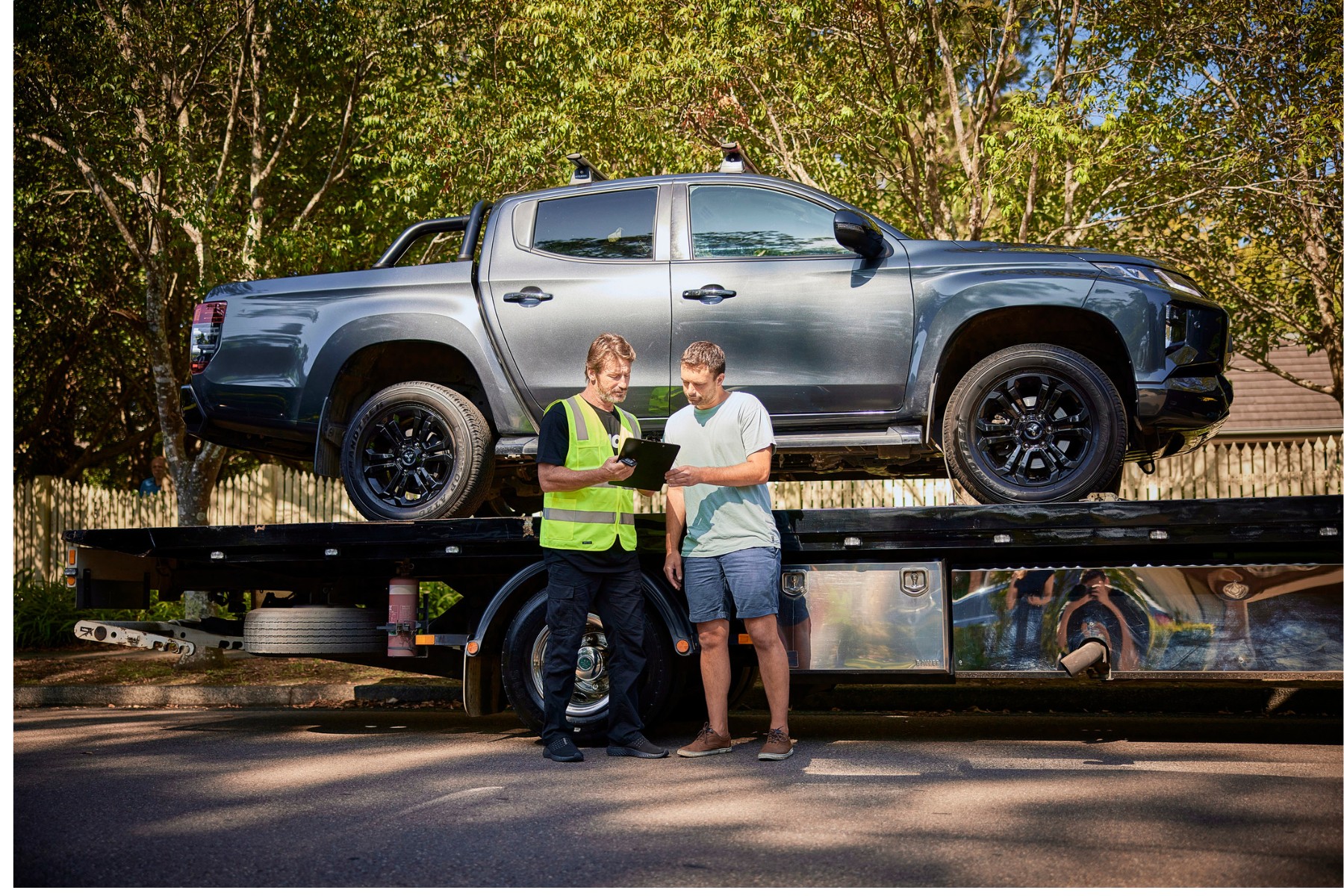
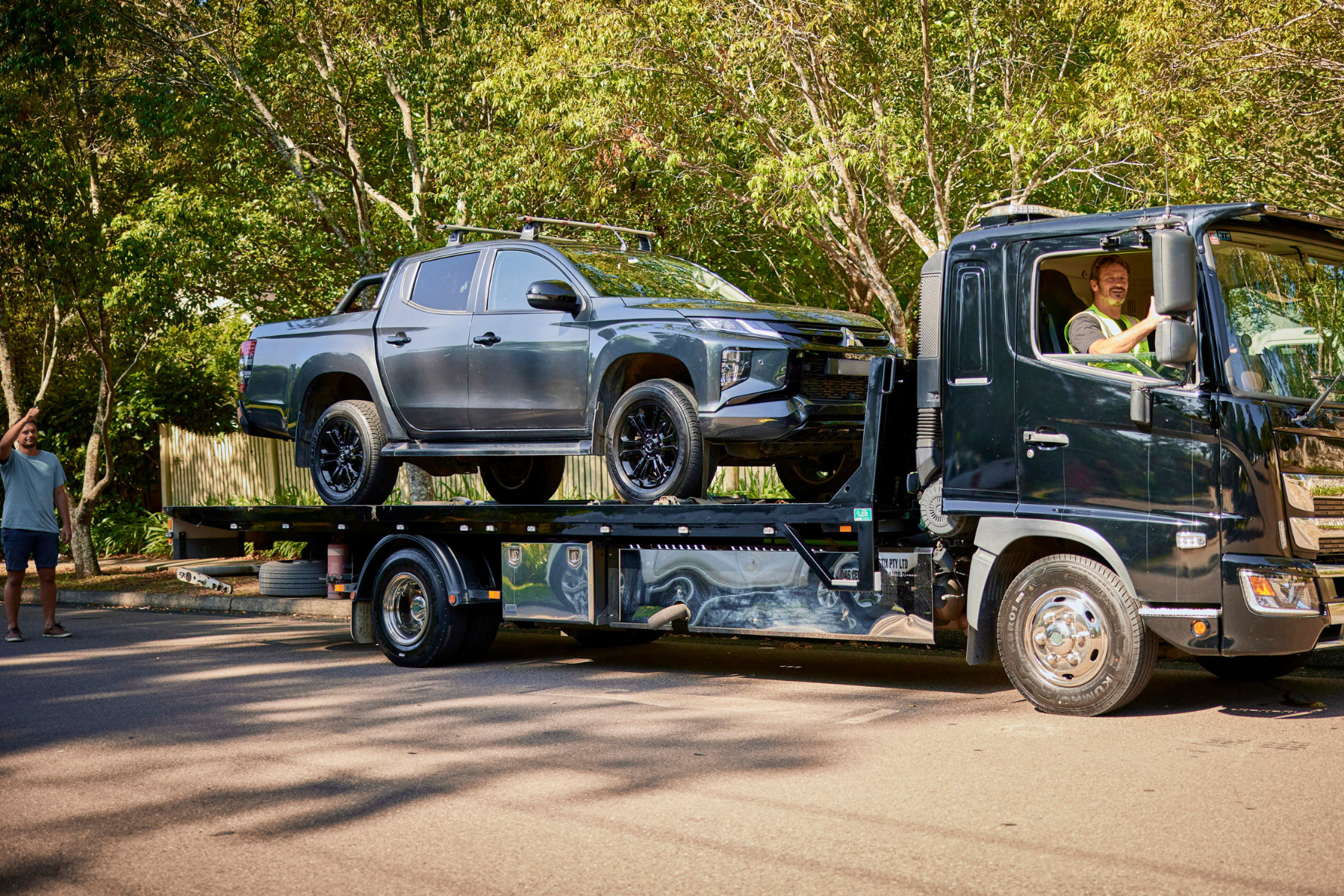
With this option, your vehicle will be collected from your home or location of your choice, then be loaded onto a truck or trailer and delivered to the destination of your choosing.
What are the advantages of a door-to-door delivery service?
Regional deliveries
Many transport providers have their depots in larger towns and cities. If you live in a small town or the country, a door-to-door service means you don’t have to bridge the drive between the depot’s location and your home.
Tight timelines
Door-to-door services can be faster, especially if you’re opting for a standalone service. There’s no downtime getting multiple vehicles off the truck and into the depot. With a door-to-door service, the timeline is dictated by the distance driven.
Non-running vehicles
If your vehicle is a work in progress or is booked for significant repairs, a depot-based delivery service may not even be possible. Some providers will not move inoperable vehicles, as it can slow down their process.
Convenience
Door-to-door is definitely the most convenient option. Once you’ve confirmed your times for pickup and delivery, there’s nothing left to think about.
What to know about door-to-door delivery before you book
Door-to-door transport providers can be really convenient, but there are still a few things you should consider:
Can a truck navigate your street or road?
If you live up a narrow or steep urban street or along a windy, gravel country road, a large truck or trailer might have trouble getting to your door. Make sure you discuss what the pick-up and drop-off location actually looks like.
What’s the budget?
Door-to-door transport is more convenient, but the price will be determined by pick-up and drop-off location as well as how long it takes to get your vehicle on the truck. Expect to pay more for non-operable vehicles or the use of winches or pulleys.
How does depot-to-depot delivery work?
With a depot-based delivery service, you’ll drop your vehicle off at a designated transport depot in the origin city and pick it up from a similar depot in the destination city.

What are the advantages of a depot-to-depot delivery service?
Budget-conscious transport
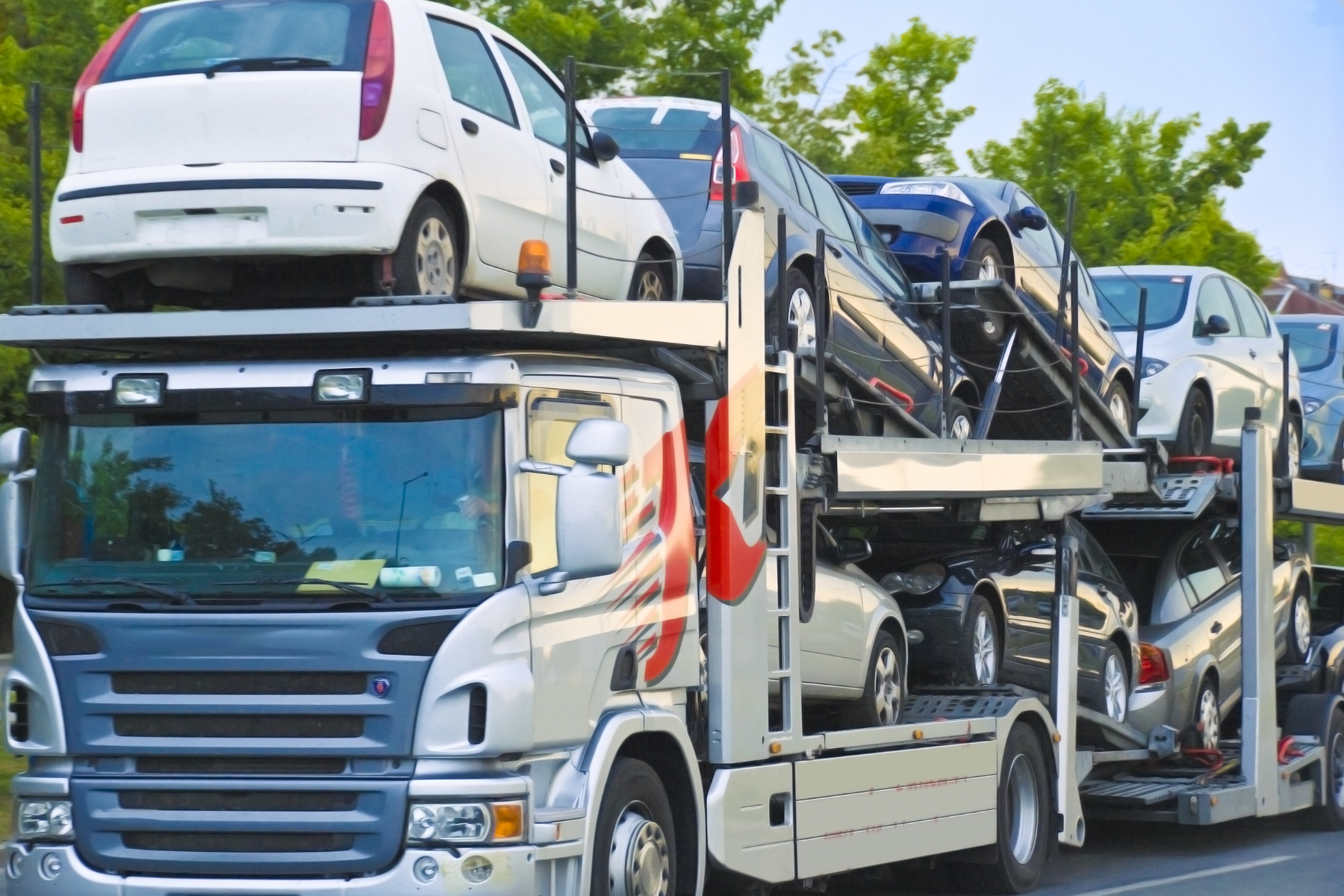
Transport providers can deliver a higher volume of vehicles between depots, which saves them time while saving you money.
Flexible timelines
If you don’t need your vehicle delivered urgently or to a strict timeframe, or need a little extra time between delivery and drop-off (if you’re moving house, for example), a depot-to-depot service might actually be more convenient.
Transport from a town or city
If you’re located in a large town or city in New Zealand, taking your car to a depot can still be a convenient option.
What to know about depot-to-depot delivery before you book
Choosing a depot delivery provider is a great way to save money, but there can be other considerations involved, like:
Where is the depot located?
Every depot provider is different. While some providers will have depots in smaller towns around New Zealand, others will only deliver to larger cities. Make sure you know where the pickup and drop-off location is before you book.
How are you getting your vehicle to and from the depot?
You’ll need to arrange transport to get yourself to or from the depot without your vehicle. Organise a friend or family member or check the price of an Uber ahead of time so that you’re not left scrambling on the day.
What drives the cost of car transport in New Zealand?
Car transport isn’t a one-size-fits-all scenario even when you factor in door or depot delivery. When a transport team calculates your quote, they’ll look at a combination of factors including:
- Logistics: Winches, pulleys, or machinery to get your car on the vehicle.
- Geography: Speed limits, road types and overall terrain that impacts the journey.
- Build of your vehicle: Older or delicate vehicles need to be secured differently.
State highways vs country roads
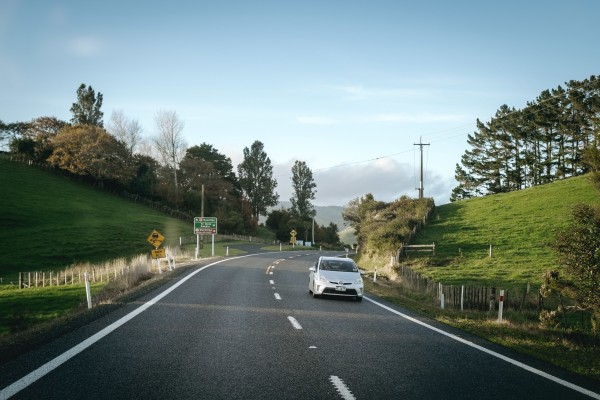
How far you are going plays a part in your transport quote but where those kilometres are clocked is just as important. If you’re transporting your car between major hubs, it’s easy for a carrier to transport multiple cars together.
Vehicle size and weight
Multi-car carriers can only haul so many vehicles at one time. Smaller, lighter vehicles like hatchbacks and sedans take up less physical room and actually keep fuel consumption lower.
Crossing the Cook Strait
If your vehicle needs to make an inter-island journey, the logistics get scaled up. The carrier has to book slot space on the Interislander or Bluebridge ferries, the cost of which then gets passed onto you.

How much can I expect to pay for depot-to-depot and door-to-door transport?
Every vehicle has different requirements, so the best way to understand how prices may differ is to look at real quotes.
As a general rule, choosing a depot-to-depot service can save you anywhere from NZ$100 to NZ$300+ off your total bill.
Here is what you can expect to pay across different categories based on recent, real-world examples from Wise Move:
1. Small cars moved between major hubs:
Smaller, lighter cars use less fuel to move, especially when moving between major hubs.
- Hamilton to Wellington (Toyota Aqua): NZ$670
- Christchurch to Auckland (Nissan Leaf): NZ$1,600 (including inter-island)
- Johnsonville to Upper Hutt (Nissan Juke): NZ$245
2. Mid-sized cars going from regional to major hubs
Moving a mid-sized vehicle from a regional centre to a major hub is largely based on how close you are to New Zealand’s main highways.
- Nelson to Christchurch (Volkswagen Golf): NZ$495
- Nelson to Oamaru (Mini Cooper): NZ$800
3. Large utes, 4WDs, and commercial vehicles
Whether you’re going from a large centre to the regions, larger vehicles, like SUVs, are heavier and take more petrol to move.
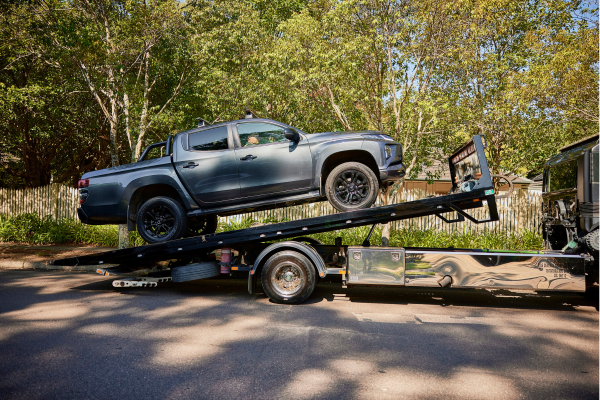
- Auckland to Mount Maunganui (Ford Ranger): NZ$480
- Te Anau to Timaru (Ford Ranger): NZ$765
- Invercargill to Ashburton (Nissan Navara): NZ$650
4. Classic cars and special vehicles
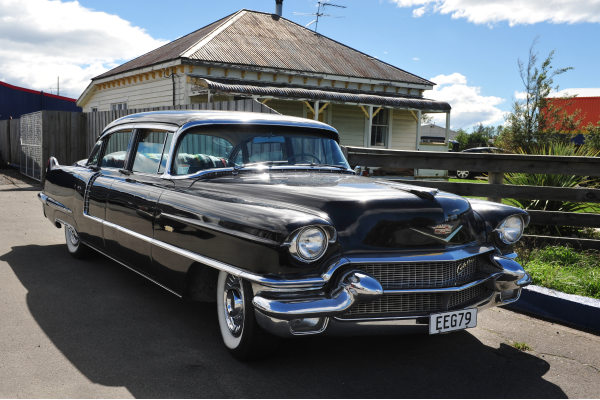
For specialty cars, door-to-door is the most common choice. Your drivers might also need to use special ramps to get it onto the truck or soft straps to prevent putting pressure on the vehicle’s axle.
- Christchurch to Gore (Toyota 60 Series Wagon): NZ$749
- Otaki to Te Aroha (Ford Anglia): NZ$745
- Hamilton to Kumeū (Hudson Limousine & Sedan combo): NZ$1,800
Book your door-to-door or depot-based transport mover now
 Getting your car across the country doesn’t have to be complicated. Whether you want the convenience of door-to-door pickup or a budget-friendly depot delivery, Wise Move makes transporting your car across New Zealand straightforward.
Book our trusted car transport teams for reliable, fixed-price vehicle delivery between cities, regions, and islands.





 Getting your car across the country doesn’t have to be complicated. Whether you want the convenience of door-to-door pickup or a budget-friendly depot delivery,