Making the move from one island to another is almost a Kiwi rite of passage. In fact, around 17,000 move south each year while another 11,000 relocate to the North Island! That’s nearly 30,000 trips around the country and across our mighty Cook Strait.
There’s a lot that goes into an inter-island move. There’s buying new items for your wardrobe (fuzzy socks for a South Island winter or a reinforced umbrella for Wellington’s winds). Then there’s the practical stuff, like how to get your car from one island to another.
Whether you’re contemplating doing the drive yourself or booking a transport carrier, our guide to inter-island car transport will help you navigate everything from timelines to ferry crossings for your upcoming inter-island move.
Crossing the Cook Strait? Here’s what you need to know
Inter-island moves are actually a big deal. Sure, our country might be relatively small. But the presence of the Cook Strait does make moving islands a bit more difficult when it comes to logistics.
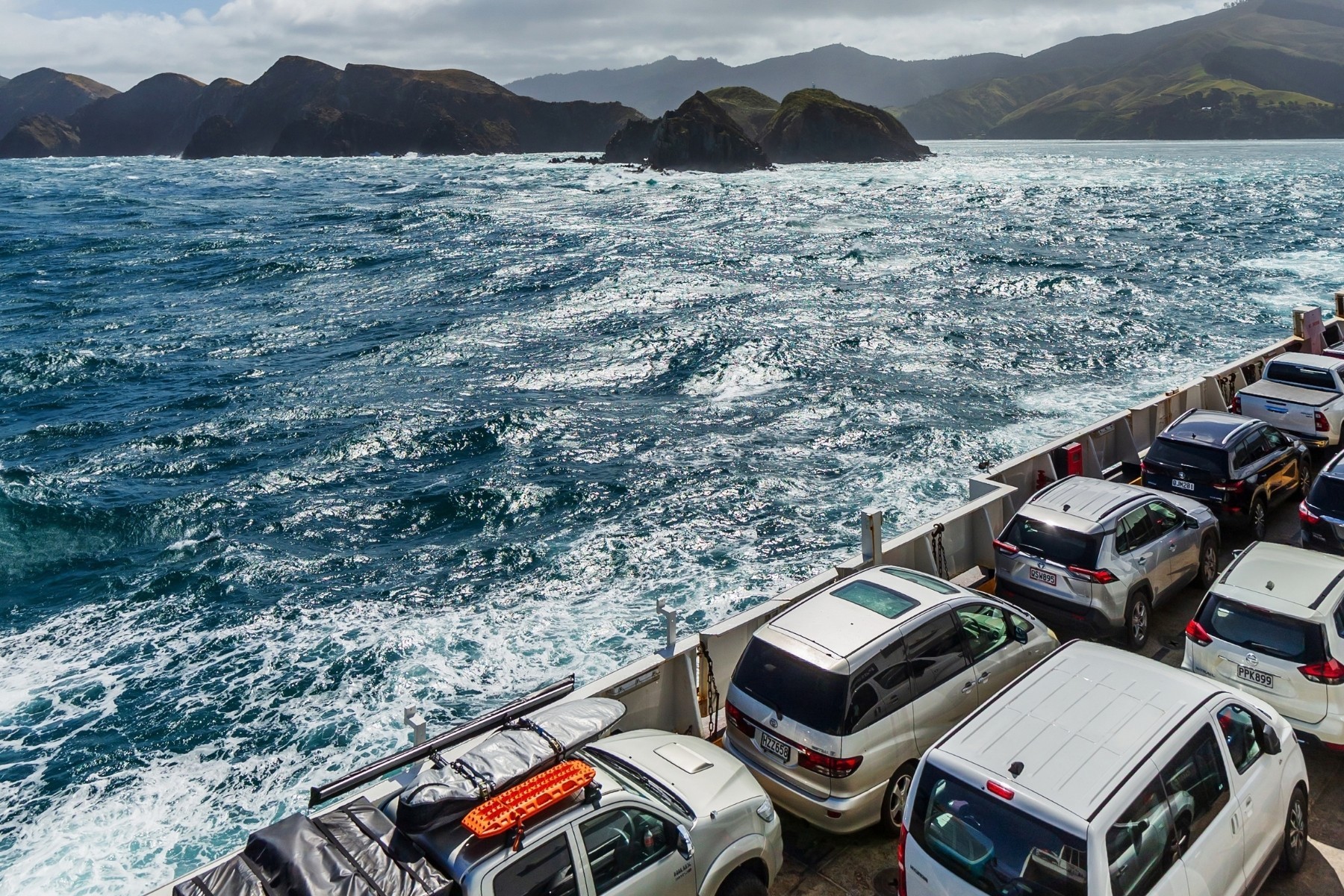
The Cook Strait actually has a reputation as one of the roughest and most dangerous stretches of ocean in the world. This means:
- In a given year, as many as 150 to 300 ferry trips are cancelled due to rough weather, big swells, or high winds.
- While that number might be alarming, it’s also reflective of how seriously carriers take the crossing.
- If you’re thinking of driving yourself, you may want a contingency plan if your ferry trip gets delayed or cancelled (particularly for overnight crossings).
The big question: Should you drive between islands or book a carrier?
Moving islands often coincides with other massive life changes like: selling a home, moving house, or starting a new job. Like most things in life, there are both pros and cons to driving between islands yourself and hiring someone to take your car for you. Here’s how to know which option is right for you.
Driving between islands
The pros:
- Flexibility: Driving yourself from North to South is like a little holiday. Although you’ll need to book your ferry crossing in advance, you take off and arrive whenever you want.
- Storage: Your ticket price is based on the length and width of your vehicle (including any storage items like a kayak or surfboard on the roof). You can pack up your belongings and transport them for no added charge.
The cons:
- Time: Let’s be real… New Zealand might not be ‘big’, but it is long. If you’re driving from Auckland to Dunedin, you’ll need to factor in at least 20 hours of driving, which safely accounts for about three days of pure travel.
- Delays: Ferry cancellations can and do happen. A cancelled ferry can add an extra night’s stay to your plans, and if you’re on a tight schedule, this isn’t ideal.
- Money: Driving from one island to the other can add up once you factor in fuel, accommodation, and food.
Hiring a car carrier
The pros:
- Convenience: Once booked, all you need to do is drop your car off at your carrier’s depot, and you’re done.
- No wear and tear: If you’re hiring a car carrier, there’s zero wear and tear on your car and no added mileage. This is great for newer models, classics, or special vehicles.
- Time: Those three to four days that you might have spent behind the wheel can be spent with friends and family, or settling into your new city.
The cons:
- Less cargo: Most car carriers don’t let you load up your vehicle with belongings. Extra items add weight to your vehicle and can be a security issue for the carrier.
- No vehicle while it’s in transit: It takes a few days to get your car from A to B, which may be inconvenient.
Driving yourself? How to book and plan for the inter-island ferry
If it’s your first time driving yourself across New Zealand’s Cook Strait, congratulations!
From dolphin and seal spotting to spectacular views of Wellington and the Marlborough Sounds, taking an inter-island ferry is an experience in itself. Here’s what you need to know.
1. Choose a ferry provider
You have two choices for crossing the Cook Strait:
Both operate regular daily passenger and vehicle sailings between Wellington and Picton, each day. Both services take roughly 3 to 3.5 hours.
While the onboard experience varies slightly (lounges, food options, and movie theatres), the actual vehicle deck process is pretty much identical.
2. Book your trip in advance
Don’t just turn up to Picton or the Wellington ferry terminals on the day to buy a ticket. Vehicle spots on each ferry are strictly limited, and some sailings will sell out a couple of weeks beforehand.
- Sailing over summer: If you are moving in summer (between December and February) or during any school holidays, you need to book months in advance.
- Maintenance and disruptions: Ferry timetables can change. Sometimes ferries are out for routine maintenance or sailings are adjusted for the season. Sorting your sailing in advance will help avoid disappointment.
3. Accurately measure your vehicle
The cost of your ticket is based on the length and width of your vehicle. You’ll need to provide an accurate measurement of your vehicle, along with any accessories or items that make it longer or wider (bike racks, surfboards, tow bars).
- A standard car is generally classified as under 5.5 metres.
- If you have a bike rack on the back, a towbar, a bull bar, or you are towing a small trailer, you must include that in the total length.
Remember: If you under-report your car's length, the crew at the terminal have the right to turn you away if the vehicle deck is fully packed.
4. Check-in and boarding
All vehicles are given an order to board the ferry. Make sure you follow the order instructions given to you on arrival.
- Arrive at the vehicle check-in terminal at least 60 minutes before departure.
- At check-in, you’ll be directed to a specific lane to pull your vehicle into.
- When it’s time to board, follow the crew's directions to drive up the ramp and park where directed on the ship’s vehicle deck (this might be covered or uncovered).
- After you park, fold in your wing mirrors, apply the handbrake, and lock your car.
- Remove anything you need during the day from the car (like your wallet, phone, jacket etc.), as you won’t be able to retrieve it until the ship berths.
Choosing a car transport carrier? How to book a car transportation service
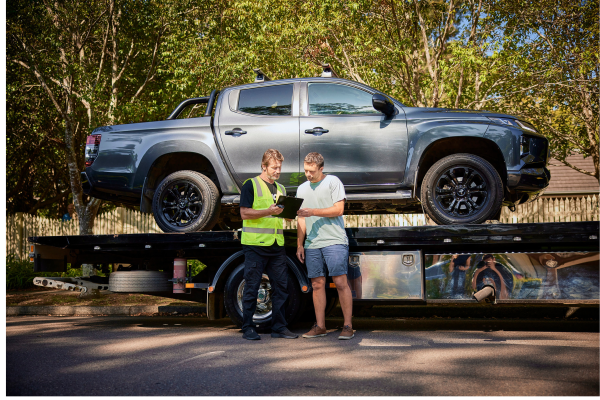
Driving across the country and the Strait isn’t for everyone. If you’d rather save time (and energy), you can book a car transportation service to get your car from your home to your final destination. Here’s how.
1. How to choose a car transport provider
Door-to-Door vs. Depot-to-Depot: This is the biggest factor affecting your final invoice.
- Depot-to-Depot: You drop your vehicle off at a central depot (often found in larger towns and cities) and collect it from a depot at the other end. This is a significantly cheaper option although you’ll need to organise transport from and to the depot.
- Door-to-Door: The carrier uses smaller local trucks to collect the car straight from your driveway and drop it at your new address. It costs more, but it saves you the hassle of taking an uber out to what is usually a depot in an industrial part of town.
- Insurance: Rough crossings on the Cook Strait can happen. Always check if a company's transit insurance covers structural damage on the water or while being loaded onto multi-car trailers.
- Check the fleet type: Most carriers in New Zealand will use open carriers, but if your car is a speciality vehicle – a classic, vintage model, or lowered – you may need to opt for closed transport or even a single-car flat-bed style truck (which is more expensive).
2. Preparing your car for the carrier
 Before handing over your keys, most Kiwi transport companies will require you to tick a few boxes:
- Empty the boot: Because carriers are not insured for personal property, they will mandate that the vehicle is completely empty of loose luggage, boxes, or sports gear.
- Keep your fuel low: Keep your tank below a quarter. Heavy fuel loads add unnecessary weight to the transporter and present a minor safety hazard during transit.
- Deactivate alarms: Road vibration and ferry movement can easily trigger car alarms, which can be an issue for the carrier. It can also drain your car’s battery.
3. Final steps for a successful inter-island car move
Even though your car isn’t travelling on-road, make sure you do a final walk-around of your car and take photos of all panels, tyres, your windscreen and other areas. You’ll need to make sure any minor scuffs are accounted for before loading.
Stay flexible on timing. Whether you’re driving yourself or hiring a car-carrier, safety on the Cook Strait always comes first. It’s a good idea to allow a couple of days either side of the journey before you really need a vehicle.
Finally, give your car a final inspection once it arrives. Make sure you compare its condition against the report and photos you took before drop-off.
Ready to book your inter-island move?
 Whether you’re heading north or south, getting your car across the Cook Strait doesn’t need to become another moving-day headache. With a little planning, you can choose the option that works best for your budget, timeline, and how much of the journey you actually want to do yourself.
If you’d rather leave the logistics to someone else, Wise Move makes it easy to book trusted car transport teams for your inter-island move. From depot-to-depot transport to more convenient collection and delivery options, you can organise your car move in one place and get on with everything else that comes with relocating.




 Before handing over your keys, most Kiwi transport companies will require you to tick a few boxes:
 Whether you’re heading north or south, getting your car across the Cook Strait doesn’t need to become another moving-day headache. With a little planning, you can choose the option that works best for your budget, timeline, and how much of the journey you actually want to do yourself.

![The cost of living in Hamilton [2026]](https://cdn.wisemove.co.nz/image/blog/cc68a61bd02361285bbca5ee1d5feda6.jpeg "The cost of living in Hamilton [2026]")