Wise Move provides bulk tipper transport across New Zealand for civil contractors, earthmovers, quarries, landscapers and farmers. We arrange single loads of drainage metal or screened topsoil, successive basecourse deliveries for roading projects, and spoil cartage from excavation sites to approved receiving facilities.
Quarry aggregate and roading metal. We book quarry collections against the product code on your order. GAP40, specified AP40 basecourse, drainage aggregate and sealing chip serve different purposes, even where two products have a similar nominal stone size. The quarry name, grade, tonnage and order reference give the loader operator and driver the details they need. Where the project requires weighbridge dockets, these can be matched to each delivery and stockpile.
Tonnes, cubic metres and truckloads. Quarry orders are commonly sold by the tonne, while earthworks quantities may be measured in cubic metres. For aggregate, the supplier’s bulk density gives a useful estimate of the tonnes to move. For spoil removal, tell us whether the figure is an in-ground excavation estimate or the volume of a loose stockpile. Excavated material can occupy more space once dug, and moisture affects its weight. Both matter when estimating payload and the number of trips.
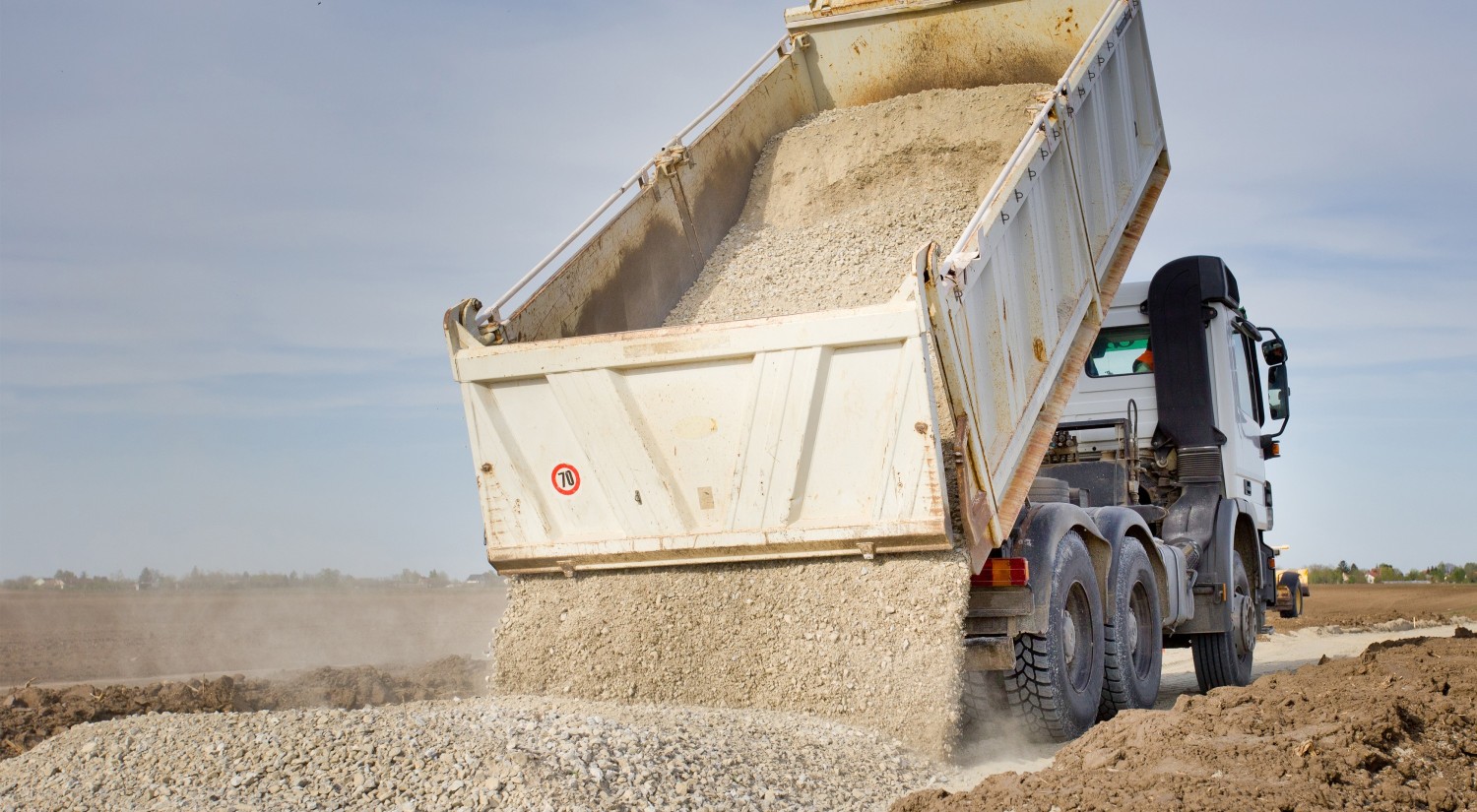
Truck-only and truck-and-trailer cartage. A truck-and-trailer unit suits larger quarry runs where there is room to enter, turn and tip. A six-wheeler or smaller rigid tipper may be a better fit for a subdivision entrance, narrow farm track or confined building site. We check the full approach with the site contact, including tight turns, the condition of the access road and space above the tipping point when the body is raised.
Earthworks spoil and cleanfill disposal. A tip site needs to know what is coming and where it was excavated. For soil, clay, sand or rock, we confirm the receiving facility’s acceptance criteria before collection. Site history, mixed material or suspected contamination can affect where the load can go and whether a declaration or test results are needed. Once the destination is confirmed, the cartage can be scheduled around the excavator, the haul route and the tip site’s opening hours.
Rural bulk deliveries. Farm cartage includes metal for races and access tracks, drainage aggregate, agricultural lime and bulk fertiliser. We confirm the product, supplier and intended drop point, whether that is a fertiliser shed, a stockpile beside the race or a metalled yard near the farm gate. For lime and fertiliser, we also check the supplier’s requirements for body cleanliness and weather protection.
Multi-load runs and staged deliveries. On a site cut, the useful measure is how much material the crew can load and receive each hour. We plan truck arrivals around excavator output, quarry loading times, travel distance and turnaround at the tip. For incoming aggregate, we agree which grade is needed first and where each load should go. This keeps drainage metal and basecourse in their designated stockpiles and gives the site foreman a clear record of delivered tonnes.
When an excavator is waiting to load spoil or a roading crew needs its next load of basecourse, arrival times matter. We agree the first collection with the loading operator, confirm the tipping point with the site foreman and keep both ends informed if the run changes.
Read our customer reviews for first-hand feedback on punctuality, communication and delivery. Customers have also left over 8,526 reviews of Wise Move on Google.
Enter the pickup and delivery addresses, preferred date and quantity. For quarry cartage, include the product grade, order reference and whether the material has already been purchased. For earthworks, describe the spoil, identify the receiving facility if one has been arranged and confirm who will load the truck.
Mark the site entrance and intended tipping point. Photos are helpful where the driver needs to negotiate a narrow gateway, soft ground or overhead obstructions. For rural properties and large construction sites, a map pin can identify the correct access road more precisely than the street address.
For repeat loads, include the first collection time, the tonnes required per day and any restrictions on site hours. If your project tracks material by purchase order, job number or weighbridge docket, include that reference when booking so each load can be recorded against the right job.
The cartage price depends on the payload, number of trips, haul distance and turnaround time at each end. For a multi-load job, the time spent waiting for an excavator, passing through a weighbridge or queuing at the tip affects how many loads a truck can complete during the site’s working hours.
If the aggregate is already on your quarry account, the booking can cover transport alone. For supply and delivery, the price can include the specified quarry product. For spoil removal, we confirm the material classification, receiving facility and applicable gate fees before pricing the disposal leg.
Where the route and tip site allow, an incoming aggregate delivery can be paired with an outgoing spoil load to reduce empty running. Your confirmed price sets out the quantity, collection and tipping points, and the services included for the agreed run.
Bulk tipper transport services across New Zealand.