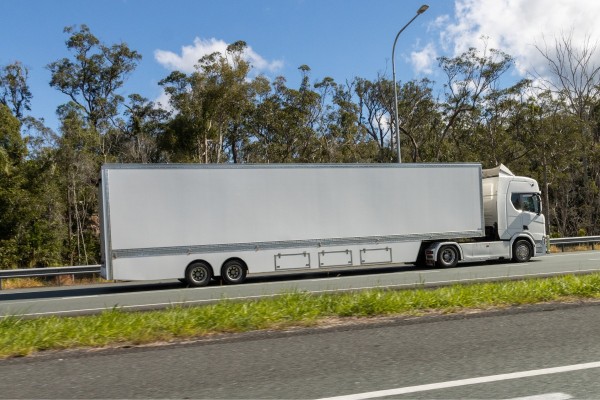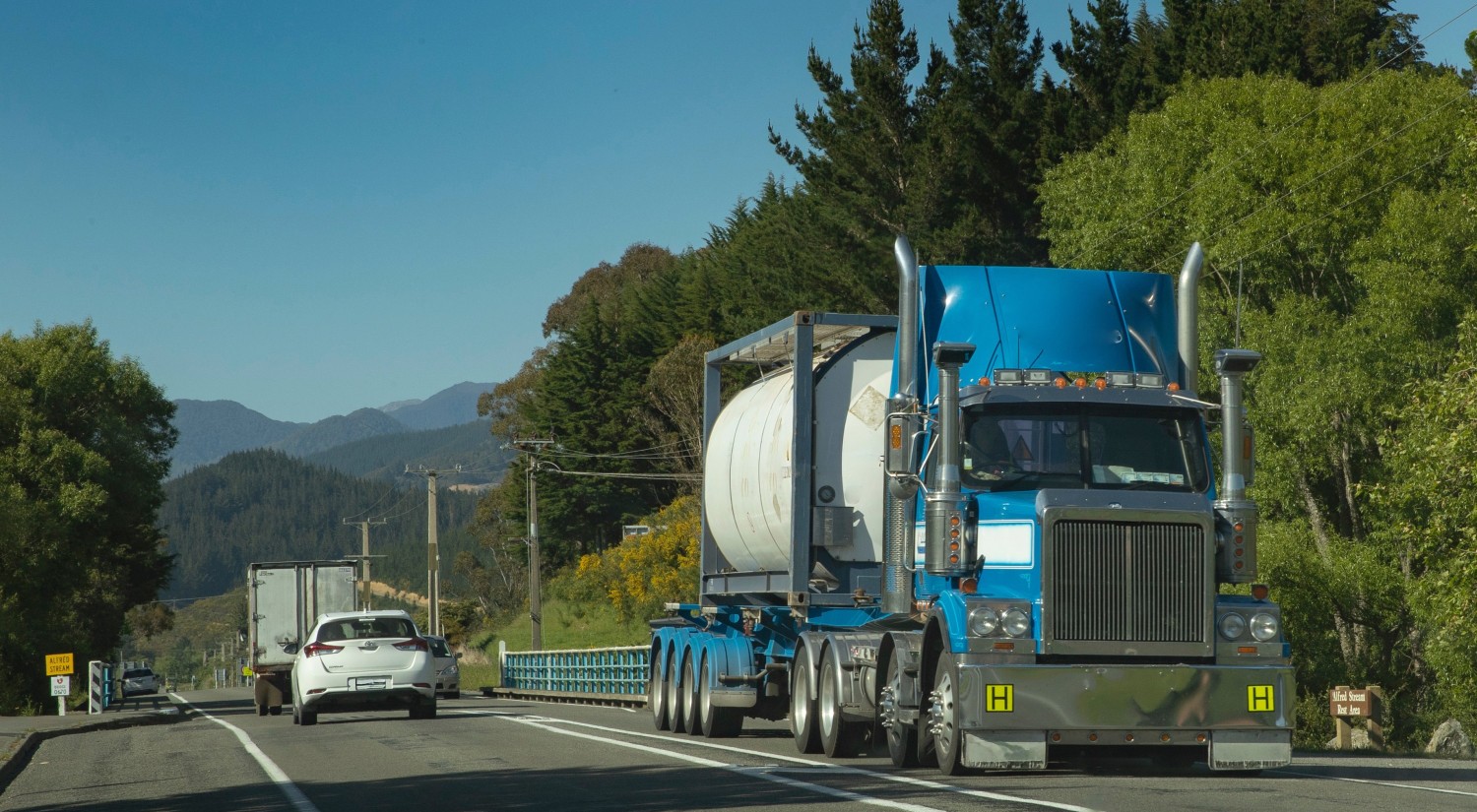
Wise Move coordinates bulk liquid transport across New Zealand for producers, processors and industrial sites. A tanker run might take milk from a farm vat to a dairy processor, bulk wine from a Marlborough winery to a bottling plant, or liquid ingredients from a storage depot to a manufacturing site. For each job, we confirm what is being carried, how it will be transferred and when the receiving tank will be ready.
Food-grade tanker cartage. Milk, juice, liquid sugar and edible oils each have their own handling requirements. Before collection, we confirm any restrictions on previous cargoes, the wash records the receiving plant expects and whether the product needs a dedicated tanker. Where a processor specifies a clean-in-place (CIP) wash, a discharge seal or a loading and delivery temperature range, those requirements form part of the transport booking.
Bulk wine and juice transfers. A winery transfer is booked against the batch as well as the litres. For a cellar-to-cellar or winery-to-bottling run, we confirm the batch reference, collection tank, receiving tank and transfer window with the cellar teams. If separate wine parcels are travelling on the same run, their compartment and discharge arrangements need to preserve the identity of each parcel through to delivery.
Water and industrial liquids. For bulk water cartage, the first detail is its intended use. A drinking-water delivery calls for a registered water carrier and a suitable drinking-water source. For process water or an industrial liquid, the product specification determines the equipment needed. Where applicable, the safety data sheet helps the transport team confirm tanker, seal and hose compatibility before accepting the load.
Litres, payload and compartments. Tank volume is only one part of load planning. The same number of litres of water and liquid sugar can represent different payloads, so we use the product density or total weight alongside the booked volume. For a part load or multi-drop run, we also check compartment sizes, the litres due at each stop and whether the product requires exclusive use of the tanker.
Pumps, hoses and delivery connections. A tanker that suits the product still needs to suit the site. Some loading bays use a plant pump and fixed transfer line. Other sites need a tanker-mounted pump and enough hose to reach the inlet from the unloading bay. We confirm the connection type, hose reach and available receiving capacity before dispatch. For viscous products such as syrup or edible oil, the required discharge temperature also helps determine the transfer equipment and time on site.
Scheduled runs and split deliveries. For regular plant transfers, we plan collection around the production schedule and delivery around the next available tank. For split deliveries, we agree the quantity and receiving contact at each site before loading. This gives the dispatch team, driver and receiving operators the same delivery sequence and volume for every drop.
A tanker arrival often has to fit between production runs or coincide with a cellar or loading bay crew being on hand. We agree the collection and delivery windows with both sites and keep the receiving contact informed if the timing changes.
Read our customer reviews for first-hand feedback on punctuality, communication and care during delivery. Customers have also left over 8,526 reviews of Wise Move on Google.
Enter the collection and delivery addresses, preferred date, product name and quantity. If the order is recorded in tonnes, include the product density or the corresponding volume in litres. For food-grade loads, specify any temperature limits, cleaning records or previous-load restrictions. For industrial products, attach the product specification and safety data sheet where applicable.
Give the driver the correct site entrance, loading bay or farm vat location and a contact at each end. Confirm who provides the transfer pump and hoses, which fittings are in use and whether the tanker can park alongside the connection point.
For a single delivery, identify the receiving tank and confirm it has room for the booked volume. For a multi-drop run, list the litres due at each site and its receiving hours. Include any batch references, delivery dockets or proof of delivery required by your dispatch team.
Tanker cartage is priced on the product, payload, route and time required at each site. A direct transfer between two plants with fixed pumps has different equipment and time requirements from a multi-drop delivery where the tanker supplies the pump and hoses at every stop.
The booking sets out the collection and delivery points, agreed volume and any dedicated tanker, wash, pumping or waiting time included in the price. For recurring deliveries, we can plan around a regular loading window. Where the product and load history allow, a compatible return load may reduce empty running.
Your confirmed price includes fuel and GST and identifies the services covered from collection through to the final discharge.
Liquid tanker transport services across New Zealand.