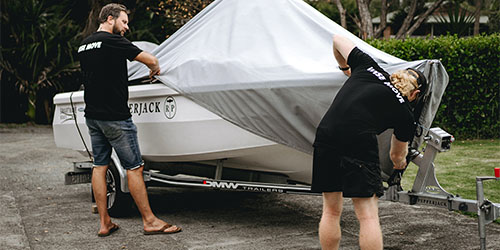
It doesn't take long for a Kiwi home to fill up with stuff. And you tend to realise just how much you've accumulated when it's time to move.
Think about your home right now. Most of us have garages, sheds, hall cupboards and pantries packed with things. Not the objects and items that you use or that are useful. Instead, we’re talking about the stuff that’s hidden away. The broken, out-of-date or just plain useless items that we’ve been meaning to get rid of.
Forgetting to declutter is just one mistake people make before a move. To help your move go smoothly, we’ve put together a guide to help you avoid this and other common moving pitfalls.
1. Forgetting to declutter your home
Moving without decluttering your items means that you are spending time and money to transport stuff you don’t even use to your new home. Decluttering isn’t exactly fun. But it does give you an incredible ROI.
A little bit of time spent decluttering before moving can save you:
- hours of time packing for your move
- hundreds of dollars on moving costs or resources
How much time does it take to declutter before a move?
Decluttering is a time-intensive task, so it pays to be organised ahead of your move. How much time you actually need will depend on:
- How big your house is
- How much stuff you own
- How sentimental you are
As a general rule, you’ll need to put aside one day per major storage area (garage, roof space, spare room used solely for storage, garden shed).
For smaller storage areas (linen cupboard, pantry, wardrobe), you’ll need to put aside one to two hours for each area.
The dos and don’ts of decluttering before you move

Be realistic with your time
Decluttering isn’t just about throwing stuff away. It’s often about making decisions about whether to repair, donate or rehome an item. Be realistic about whether you have the time to complete these types of time-consuming tasks before you move.
Be ruthless with your choices
Give yourself a set of rules to operate by. This could be as simple as: if I forgot that an item exists, I don’t need to keep it. Or, if I haven’t used an item in more than a year, I can get rid of it. And, if this item isn’t sentimental, I can always repurchase it in future.
Be prepared
One way to speed up the process is to sort your items into keep, donate and discard categories first. Once each pile gets big enough, you can then organise a rubbish, dump or charity shop run.
In New Zealand, Trade Me and local Facebook community groups are handy for selling or giving away furniture, while op shops can take usable household items. For anything that can't be donated, check your council's transfer station and collection rules. Auckland's inorganic collection, for example, operates in allocated weeks each year, so don't rely on it lining up with your moving date.
2. Underestimating time and effort
Moving takes time. Unfortunately, there is no real shortcut to getting your belongings into a box and to your new home. However, there are a few ways that you can hit the ground running.
Start buying supplies early
There is nothing worse than finally being in the mood to declutter or pack and finding out you don’t have enough boxes, tape, scissors or soft packaging supplies. In the weeks leading up to your move, do a quick stocktake of what resources you have.
You can often source second-hand moving boxes through local community groups or from someone who's just moved. Just make sure they're clean and sturdy enough for another trip.
Declutter in the right order
Declutter the largest rooms first and leave the smallest areas until last. This way, even if you run out of time, you’ve still sorted the largest, messiest areas. If you don’t manage to get to the games cupboard or linens before you move, it’s not the end of the world.
Pack up what you don’t need
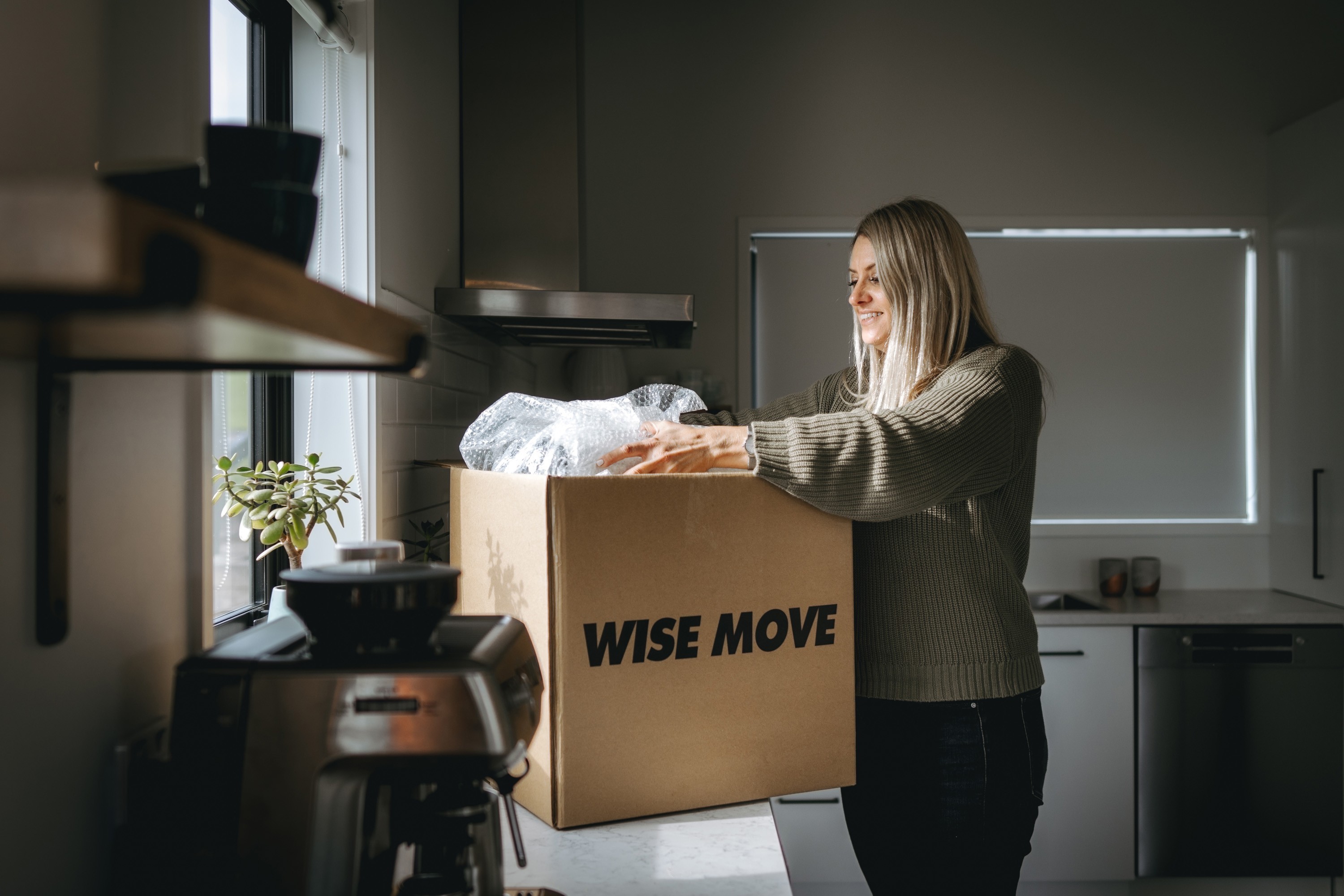
Packing up your home too early can actually create problems. After all, you still need to eat, sleep and use your stuff in the weeks prior to your move. Instead of tackling the biggest rooms first (like the kitchen), start packing up the rooms or areas you use the least.
You can pack up high-use areas if you are strategic. Focus on the items in that room that you use least (or can realistically go without for a few weeks). In the kitchen, this might look like packing:
- Bulky appliances
- Speciality cookware
- Baking tins, pans and trays
- Half the crockery/glassware
3. Forgetting to make a schedule
 As soon as your moving date is set, you should put together a basic moving timeline, including the specific days you will set aside for decluttering, donating and packing.
It can be as basic as:
- Six weeks before: Declutter the largest rooms of the house.
- Four weeks before: Declutter small rooms and drop or donate items.
- Two weeks before: Buy packing supplies and pack unused rooms.
- One week before: Pack all items that aren’t absolutely essential.
- One day before: Pack essential items.
If you're buying a home, remember that keys may not be released until later on settlement day. If you can, consider booking the movers for the following day rather than risking a truck full of furniture arriving before you can get in.
If you're renting, check the notice period before locking in your moving date. For a periodic tenancy in New Zealand, tenants generally need to give at least 21 days' written notice, unless a shorter period is agreed or an exception applies. Fixed-term tenancies have different requirements.
4. Choosing the wrong moving company
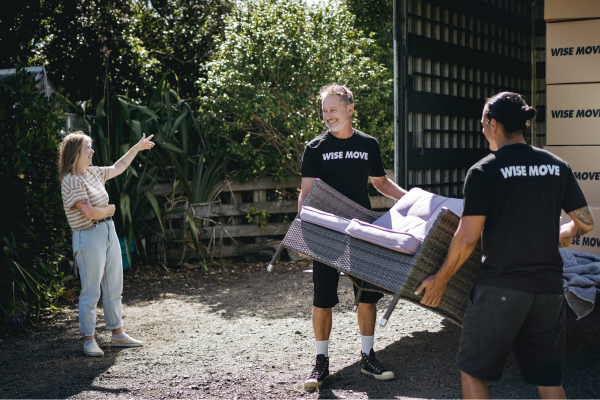
Moving to a new home is a major event, so having professional movers you can truly rely on is important. The best movers do a lot of small things behind the scenes that make your entire day run smoothly, like:
- Showing up on time: It sounds basic, but punctual movers keep your moving schedule right on track.
- Communicating clearly: Moves are often booked weeks in advance, and timeframes can change. A reliable mover keeps you updated so you never have to guess when they’ll arrive.
- Moving efficiently: Experienced removalists will move your belongings both quickly and safely. (Tip: Giving an accurate list of your items upfront helps them plan for maximum efficiency.)
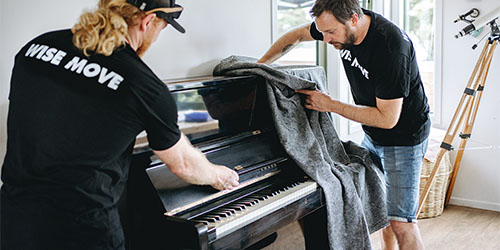
- Taking extra care: From protective blankets and wraps to specialised equipment, professionals have lots of tools to keep your precious items safe and protect your large, bulky items in transit and while loading/unloading.
Before you book, give your moving team an accurate list of everything you're moving and flag any tricky access: steep driveways, narrow stairs, apartment lifts, parking restrictions or heavy furniture. Ask what the service includes, especially if you need packing, storage or an inter-island move, where ferry arrangements can affect timing.
Wise Move makes it easy to book a professional moving team you can trust.
5. Inadequate packing materials
Skipping the packing supplies is one of the fastest ways to slow down your moving day. We’re all about trying to make your move as sustainable as possible.
If you’ve moved several times with the same boxes or don’t have the right supplies, your belongings might end up worse for wear.
Reusing boxes can save money and waste, but check the bottoms, corners and handles first, particularly if you're packing books or heavy kitchenware.
Beware of:
- Using weak or flimsy moving boxes: That old supermarket box could have a crushed bottom or bend during transit.
- Using tape that's not designed for moving: Sellotape and masking tape aren't strong enough to reliably seal heavy moving boxes. Use proper packing tape so the bottom doesn't give way.
- Using cloths without securing fragile items: Wrapping glassware and crockery in a tea towel or cloth can work as extra cushioning. The problem is that these soft items can slip and move around during transit. Secure delicate items with packing paper or protective wrap, and fill any gaps in the box.
6. Failing to label boxes properly

Unlabelled or vaguely marked boxes can be a recipe for chaos once the movers leave. Instead:
- Label each box with the room and the subcategory, e.g. kitchen, cutlery.
- Avoid packing random items together, even if they are from the same room.
- Write directly on the box and avoid using sticky labels that fall off during transit.
- Label at least two sides of every box and the top.
- Write clearly so that the movers don’t have to ask which room to deliver it to.
- If your new place has more than one floor, mark boxes 'upstairs' or 'downstairs'. Keep anything you're taking in your own car in a clearly labelled 'do not load' area.
7. Forgetting about insurance and inventory
Accidents can happen during a move. And it’s easy to schedule a move without having the right insurance or inventory checks in place to keep you protected.
In New Zealand, contents insurance doesn't always cover your belongings while they're being moved. What's covered depends on your policy, how items are packed, and the liability terms in your moving agreement.
What is covered:
- Major, direct events while the transport vehicle is moving.
- Major vehicle accidents, fires, or theft resulting from forced entry into the locked vehicle.
What is not covered:
- Accidental drops or mishandling while loading or unloading.
- Scuffs, scratches, or breakage inside boxes during transit.
- Items damaged if you packed them yourself.
- DIY moves using your own trailer or a hired van.
To make sure that any claims run smoothly, it’s a good idea to keep an inventory of your items too. Start a spreadsheet of what you own and add photos of any valuables before moving day.
Before you make a claim
To make sure that any claims run smoothly, it’s a good idea to keep an inventory of your items too. Start a spreadsheet of what you own and add photos of any valuables before moving day.
8. Ignoring utility transfers and address changes
Arriving at your new home to find that things aren’t working – like your wifi, electricity, or gas is frustrating but avoidable. Make utility transfers and updating your address one of the top priorities on your moving checklist.
Notify your power, water, gas, and internet providers at least two weeks before your move date. This gives them enough time to schedule a disconnection and reconnection.
Don’t forget to update your address with your bank, insurance, car registration and any local government agencies who you receive physical mail from regularly.
9. Not preparing an essentials box
Moving day is hectic, and the last thing anyone needs is to hunt through dozens of boxes searching for a toothbrush. Avoid all this by packing an overnight bag full of enough essentials to survive a weekend:
- A change of clothes
- Essential medicines
- Toiletries
- Phone charger
- Towels
- Toilet paper
- Cutlery and crockery
10. Forgetting the final inspection or property handover
Moving out isn't finished when the last box leaves the house. If you're renting, leave the property reasonably clean and tidy, remove rubbish, take photos of its condition and arrange the final inspection with your landlord or property manager. Keep your tenant number handy for the bond refund process through Tenancy Services' Bond Hub.
If you're buying, confirm when and how you'll get the keys with your solicitor or agent. If you're selling, make sure keys, garage remotes and alarm details are ready for handover. It's a small job that's easy to overlook when everything else is packed.
How to find a trusted professional mover

A little preparation goes a long way towards a successful move, but having the right moving team makes all the difference. That’s where Wise Move comes in.
With Wise Move, you can book trusted, experienced moving teams across New Zealand, whether you're moving a few streets away, across the country or between islands. From carefully packing and transporting your belongings to handling the heavy lifting, our moving teams can help make moving day that much easier.





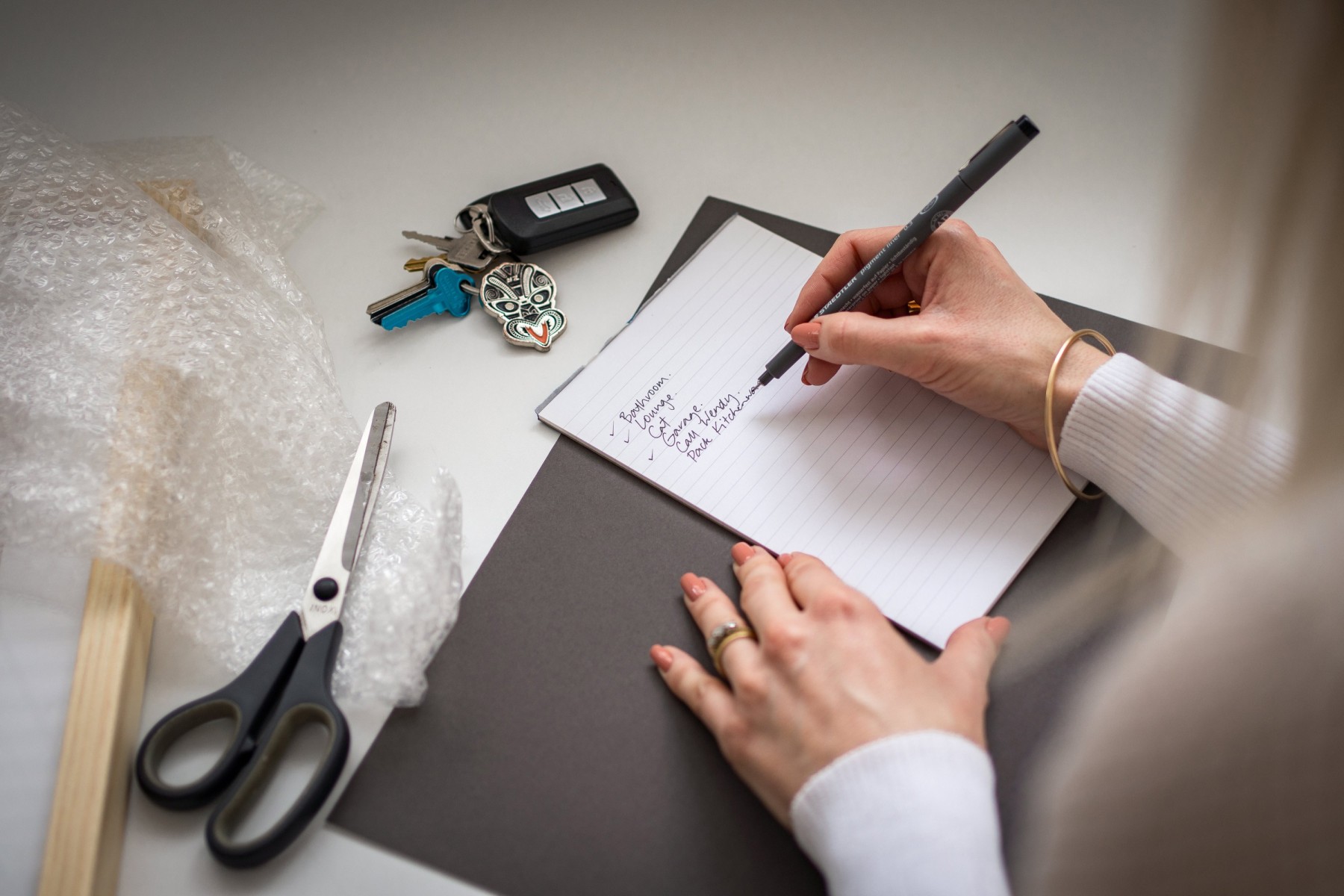 As soon as your moving date is set, you should put together a basic moving timeline, including the specific days you will set aside for decluttering, donating and packing.